Case Studies

Regeneration of Treveddoe Farm

Treveddoe Farm, located in Warleggan within Section 12 (Bodmin moor) of Cornwall National Landscape, underwent a remarkable transformation through the Farming in Protected Landscapes (FiPL) programme. Led by farmer Ben Thomas, the project aimed to regenerate the farm using sustainable grazing practices that enhanced biodiversity, improved soil health, and built resilience against climate change.

The challenge for Treveddoe Farm had been to move away from traditional grazing methods and reliance on artificial inputs. Ben envisioned a system that would restore soil health, sequester carbon, and create a thriving habitat for wildlife, while continuing to produce high-quality beef for local markets as part of a place-based food system. This ambition aligned perfectly with the FiPL programme’s goals of supporting nature recovery and sustainable farming within protected landscapes.

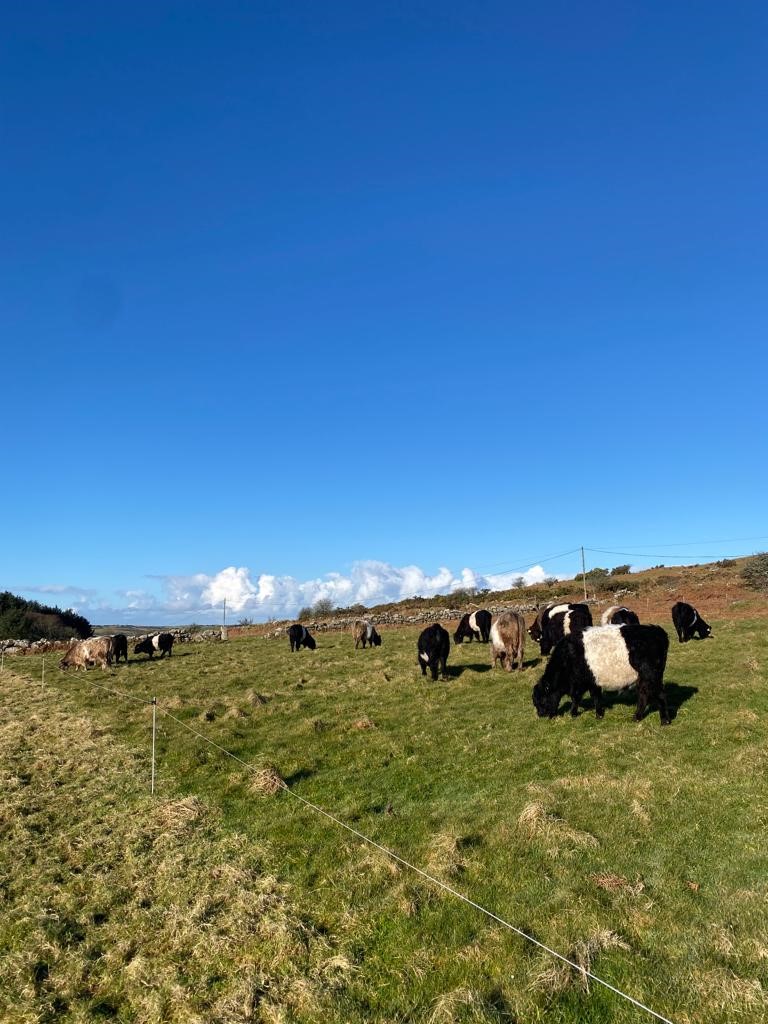
Ben farm introduced native breed cattle—Belted Galloways and Devons—and through FiPL funding adopted a mob grazing system. This innovative approach involved rotational grazing with long rest periods, allowing pastures to recover and develop diverse sward structures. The cattle were 100% pasture-fed, with no artificial inputs used. To make this system efficient, the project invested in specialist equipment, including electric fencing and a mobile drinking trough system. In addition, they worked alongside Farm Carbon Toolkit to undertake soil assessments allowing them to make informed management decisions to improve carbon storage, biodiversity, and water infiltration.

Drag trough – a piped water trough that can be dragged behind a quad to the next grazing cell
Solar energiser powering an electric fencing system. The cattle move daily to new grazing cells allowing the ground to rest for longer in between grazing periods.
The difference between a grazed cell and a rested cell along the fence line. The cattle will soon move into the rested cell, and the cell on the right will rest and re-grow.

The projected impact of these changes was significant, a Biodiversity Net Gain (BNG) assessment showed that wildlife-rich habitats will likely expand by more than 66%, allowing biodiversity to flourish whilst the farm still produces beef for market.

Looking ahead, the project was designed for long-term sustainability. Mob grazing remained the core management system, reducing diesel use and allowing the cattle to be out-wintered. For other farmers interested in adopting this type of mob-grazing system, it should be noted that not all cattle are suitable for out-wintering, and breed is an important consideration.

The system that Ben and his wife have adopted allows them to keep their full-time employment off the farm, whilst still producing good quality beef and restoring nature. Ben also hosts educational farm visits for schools to come and learn about regenerative food production.

The educational visits have recently been supported by his landlord, who has renovated a barn on the farm into an accessible, educational facility. This development responds to growing demand from local schools and community groups for hands-on, farm-based learning experiences that teach children where their food comes from and highlight the importance of biodiversity. A key stand-out feature of this new hub, is the observation beehive which allows students to get up close and personal with native pollinators, and learn how pollinators are vital to our food production system.

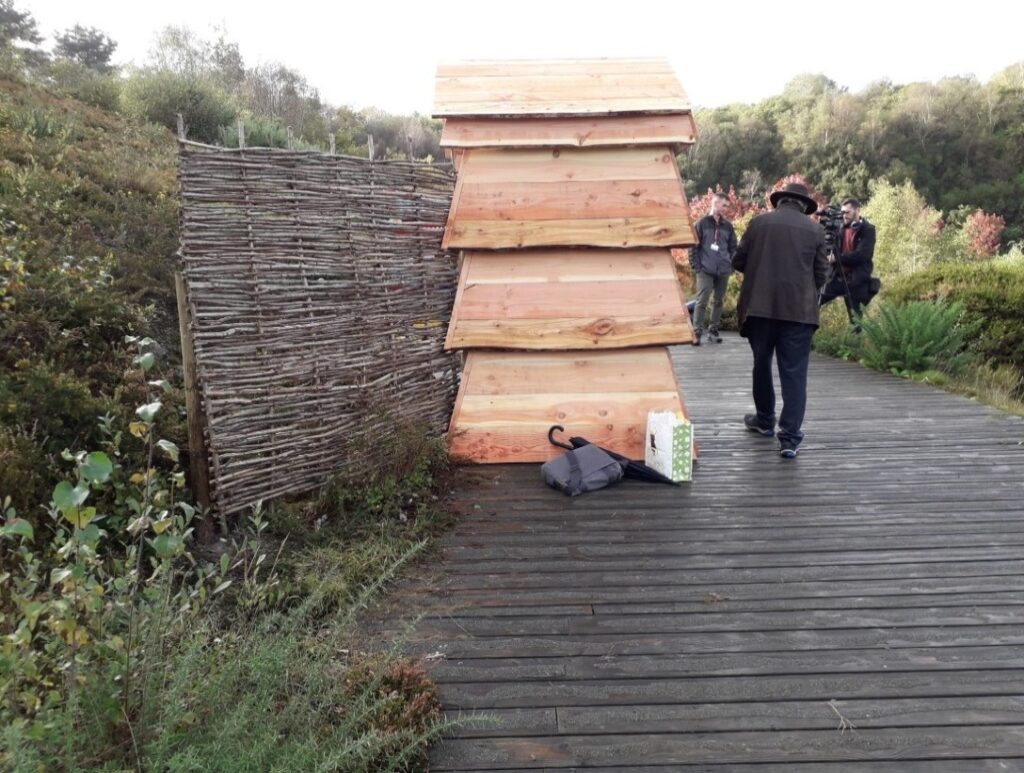
Example observation beehive
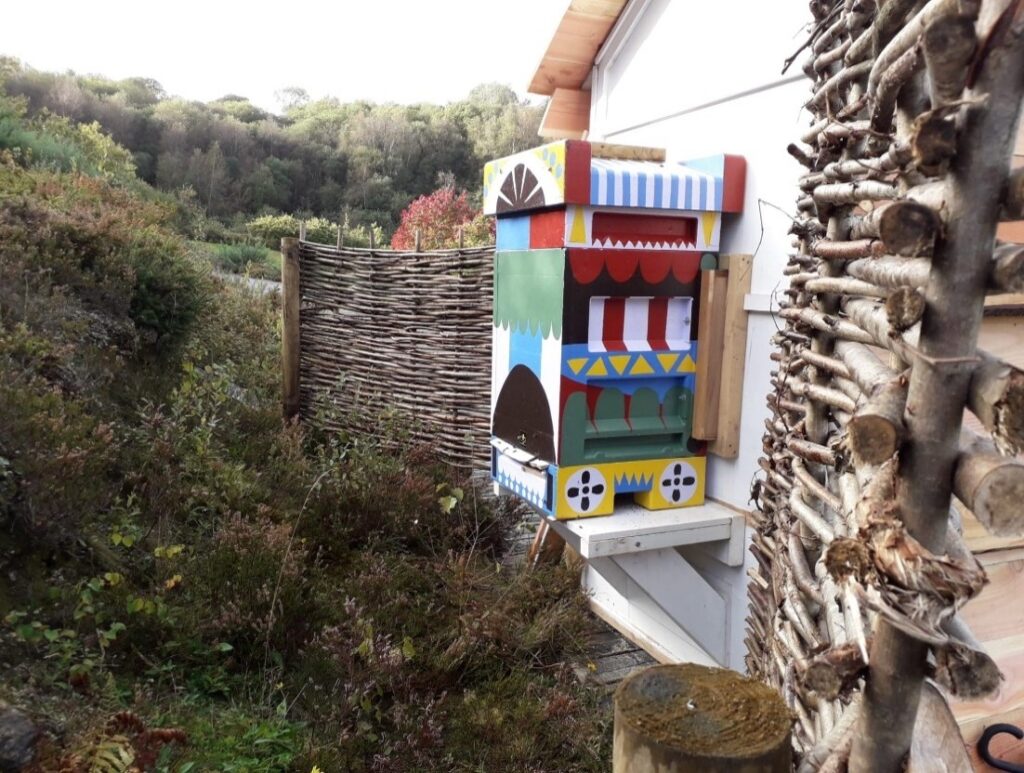
Example of a colourful hive attracting bees
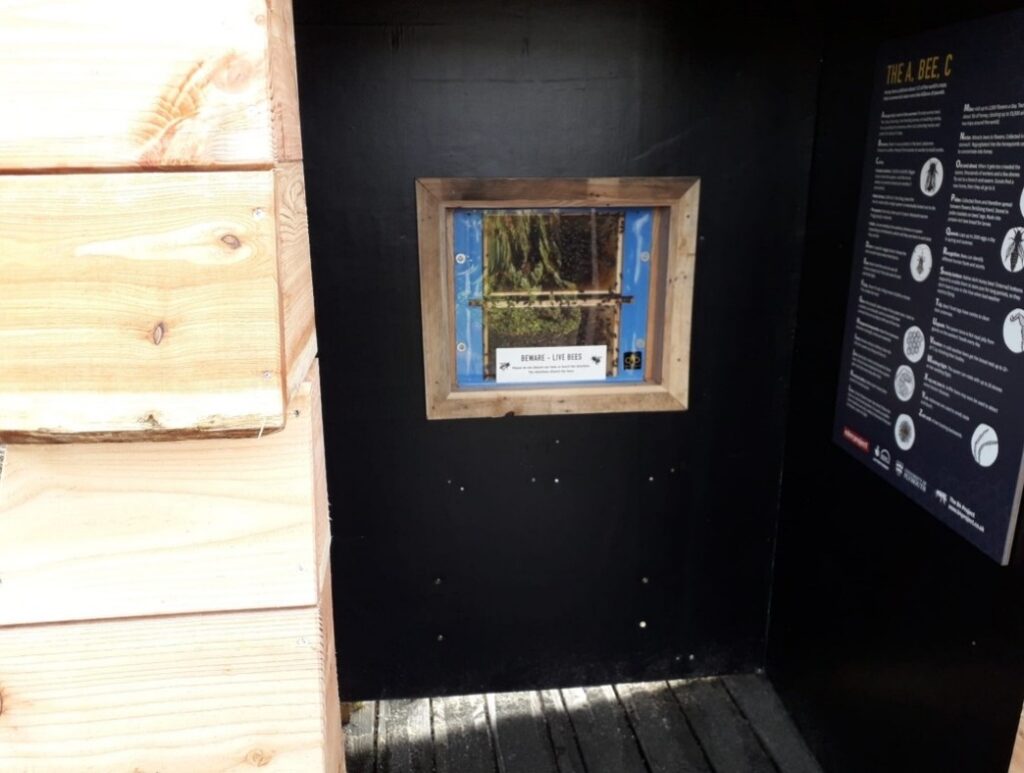
Example of how the viewing panel works for students to see the bees at work

Ben and Claudia’s first year of farming at Treveddoe was documented in the world-renowned documentary “Six-Inches of Soil” – you can read more about the film (and now the book) here.

top border