Monitoring & Evidence
Our objectives can be achieved through various means such as but not...
View page
Welcome all to Cornwall’s nationally protected landscape. Our National landscape is unique, there are 12 separate sections under one single designation. Each one has its own representation in the Management Plan 2022-2027 to create a sense of place. They are special in their own right and collectively make up one third of the county – the same size as Dartmoor National Park!


Find out more about our team, partnership and our primary purpose to conserve and enhance natural beauty
Inspiring all who live, work and visit the protected landscape

Aligning with Global, National and Local Strategies
Experience the breathtaking beauty of the Cornwall National Landscape (AONB) – a mosaic of diverse landscapes, vibrant communities, and rich heritage. From the rugged coastal cliffs that embrace the pounding Atlantic to the gentle estuaries teeming with wildlife, every visit promises a wealth of discoveries. Wander through historic villages, explore ancient woodlands and enjoy the tapestry of scenery that has inspired artists and travellers alike for centuries. Visiting the protected landscape isn’t just a day out; it’s an immersion into a world where nature’s drama unfolds at your feet.
A landscape that is inclusive and appreciated by everyone.
Is to inspire all who live, work and visit to be connected with the landscape.
Separated into 12 sections
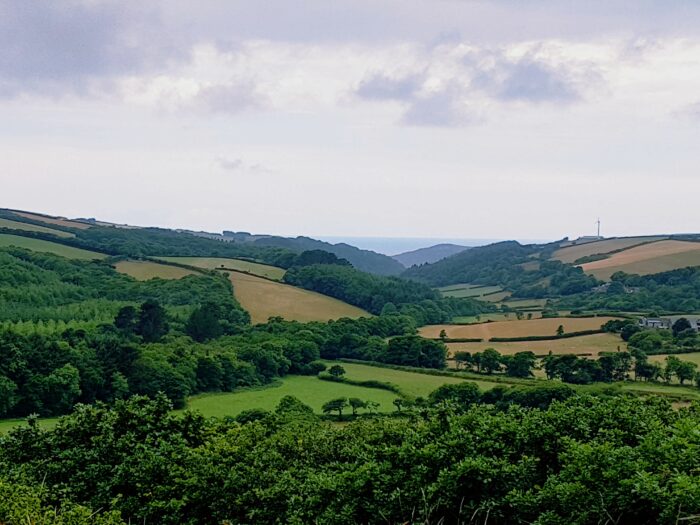


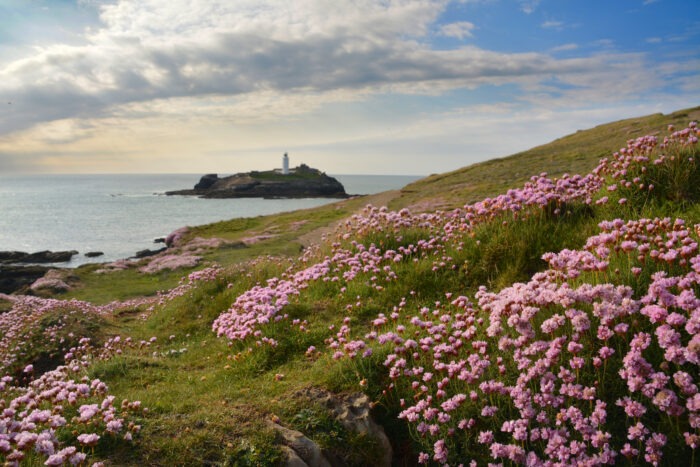


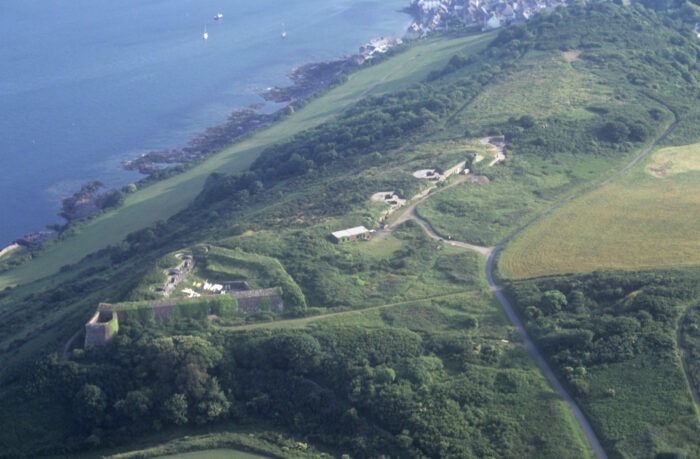
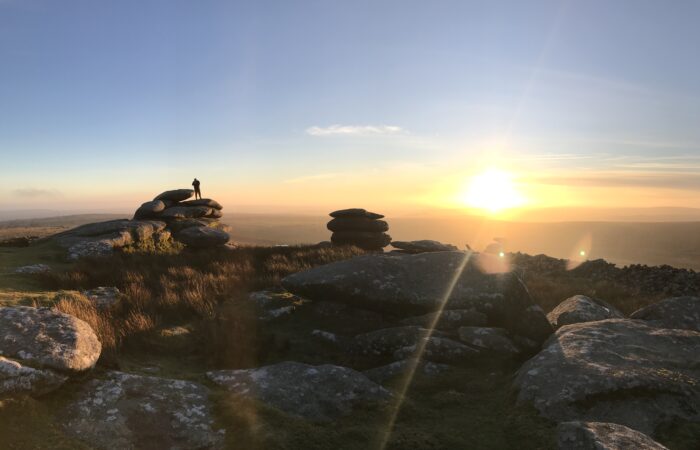


Highly Commended: Between Northcott Mouth and Crooklets Beach, Bude by Robin Rowling


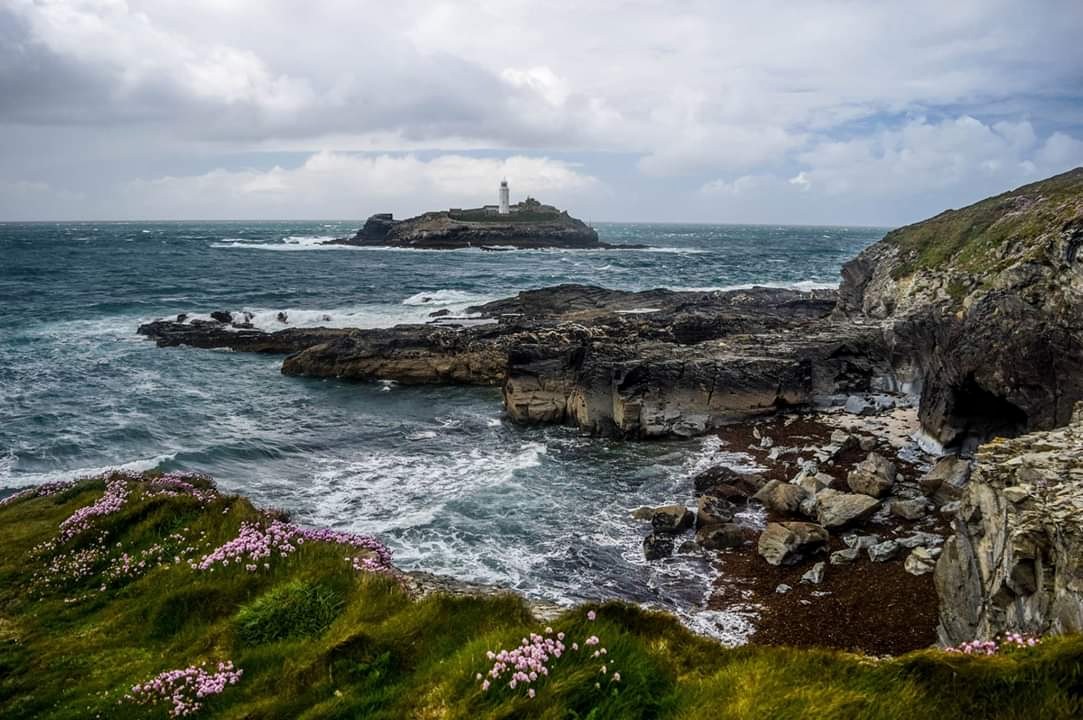

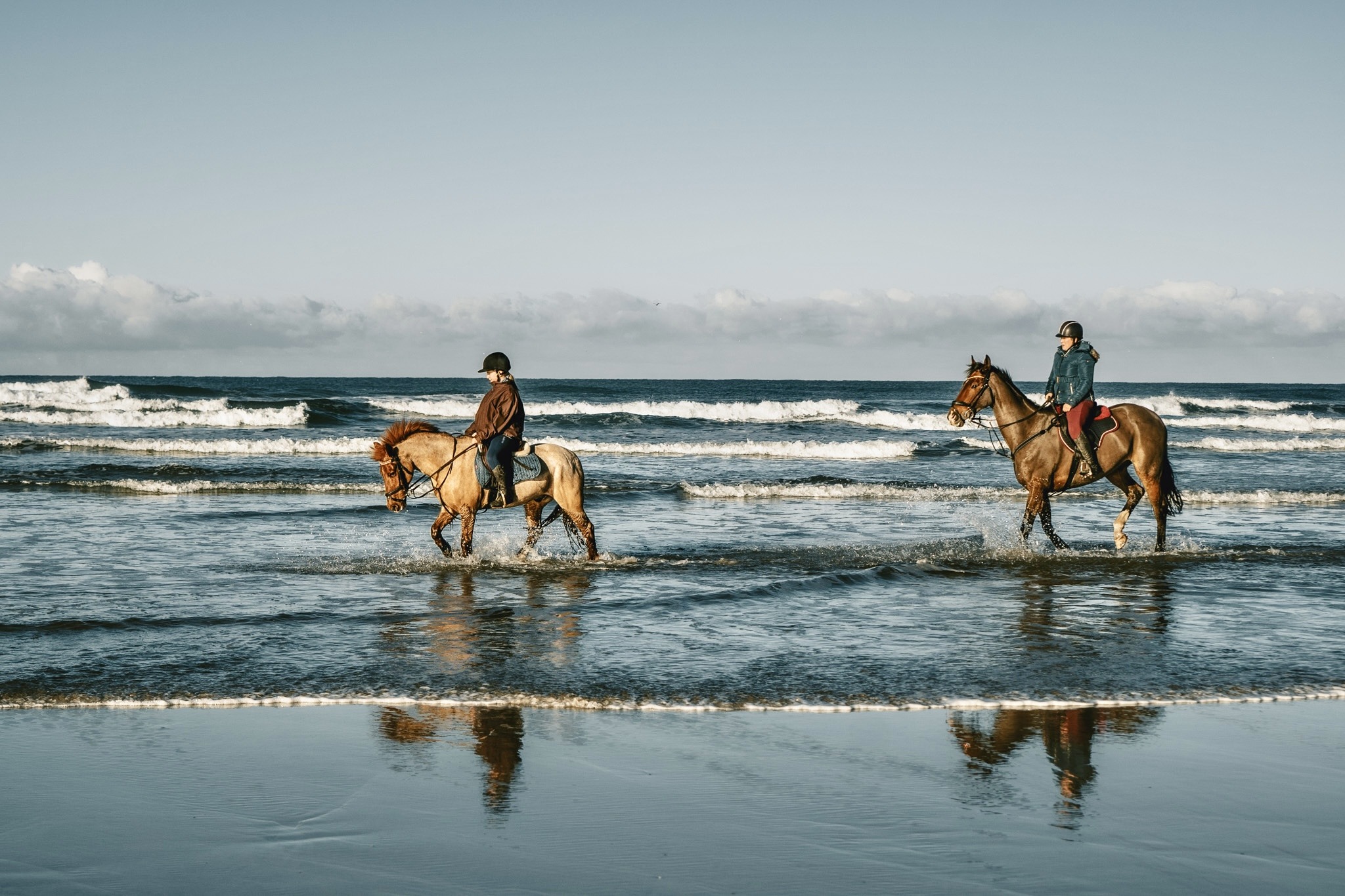

Our Primary Purpose is to conserve and enhance Natural Beauty.
Our priority is to lead and support projects which deliver under these four key priorities.

Increase access to the protected landscape to improve levels of physical activity, health and wellbeing. Promote increased mental health through volunteering and events which connect people to nature, decrease health inequalities and social isolation.
Celebrating our cultural heritage and landscape character in each section of the protected landscape. Developing our understanding of a sense of place.
Increase habitat and biodiversity in Cornwall National Landscape, creating events and opportunities for both nature and visitors to thrive together.

Work collaboratively to support opportunities to build and enhance resilience of protected landscapes to mitigate and adapt to the effects of climate change. Encouraging visitors to consider sustainable access and tourism.
Join us for a variety of engaging events across the Cornwall National Landscape, where the beauty of nature meets the richness of local culture.
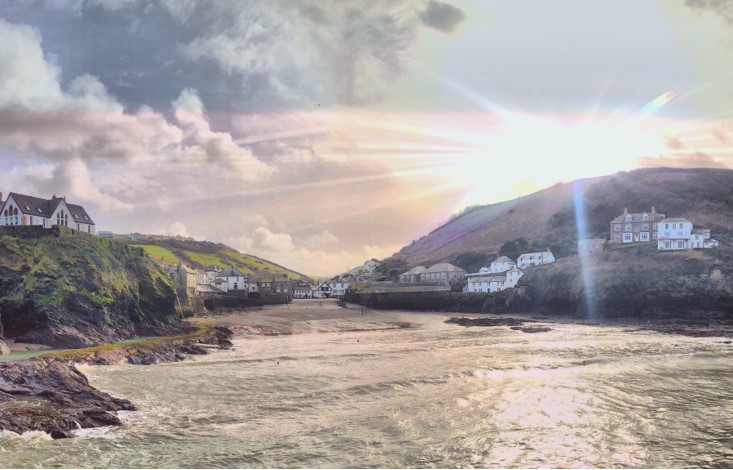
Port Isaac is a quintessential Cornish fishing village, known for its narrow, winding streets lined with charming, whitewashed cottages that overlook a picturesque harbour, known as the Platt. Since 2004, it has gained fame as the fictional village of Port Wenn in the BBC series Doc Martin.
With a fishing heritage dating back to the early fourteenth century, Port Isaac has always been deeply connected to the sea, and fishing continues to play a significant role in the lives of its residents. The village’s name comes from the Cornish Porthysek, meaning ‘corn port’, a nod to its historic role in the grain trade.
Port Isaac boasts some excellent eateries, including Nathan Outlaw’s Fish Kitchen, offering fresh, local seafood in an unforgettable setting.
In Autumn 2024, Toby Lobb, Fisherman’s Friends, created a sea shanty Bury My Bones for Cornwall National Landscape. The sea shanty tells the story of storm wash remains found along the South West Coast Path in Trevone. Local author, Gareth Rees, wrote a short story imagining the many lives the sailor might have had. You can buy a copy of Give Him a Little Earth here.
The South West Coast Path offers breathtaking scenery starting from Port Isaac. To the east, Port Gaverne provides a tranquil retreat with its sheltered beach, perfect for rockpooling and ideal for families seeking a quieter spot in Cornwall. To the west, you’ll find Port Quin, a small, serene cove with a poignant legend of a storm in the 1800s that claimed the lives of the village’s fishermen.
If you prefer exploring by bike, head to Wadebridge and cycle the Camel Trail to Padstow. Taking you briefly into Section 03 Camel Estuary, this scenic route takes you through beautiful landscapes, and once in Padstow, you can enjoy browsing its independent shops and savouring freshly caught fish and chips with a view of the bustling harbour. Nearby Rock stretches along the Camel Estuary, backed by impressive dunes and offers exceptionally scenic views.
Our collection of short stories, 12 Stories for 12 Sections Anthology, tells of a different perspective in Survival Tips, Jane Pugh situated in Section 02 and Trading Places, Polly Roberts which takes readers through Section 03 Camel Estuary. Read the full collection here.
Trampers are a type of mobility scooter which are specifically designed to access the countryside. Countryside Mobility is a not-for-profit hire scheme working to improve access. Operated by the charity Living Options Devon, this is a user-led organisation working to ensure that people with disabilities and Deaf people are empowered to lead the lives they choose. The team work with a variety of partners who host the trampers on their sites – or visitor attractions – to enable people with limited mobility to enjoy and access to the landscape. They undertake safety assessments and Access Audits at each site, aided by two access auditors who have first hand experience of living with a physical disability. They have also created films and podcasts about their trampers – and tramper locations so that all users can be confident of what to expect before arriving. These trampers do often need to be booked in advance.

Sustainably travelling by bus around Cornwall National Landscape is made easier using Go Cornwall Bus. With up-to-date information about bus travel, and routes, as well as activities and offers for some of Cornwall’s visitor attractions you can avoid taking the car. We advocate using public transport, where possible, as the best way to access the protected landscape in Cornwall. With the rural nature of the Sections of Cornwall National Landscape you might consider multiple modes of travel, for instance bicycle and bus or train and walk. Go Cornwall Bus can also advise on the accessibility of their transport to facilitate mobility requirements.

The Tin Coast is the area around St Just, Pendeen and Morvah in Section 07 West Penwith. It is an internationally significant World Heritage Site, part of Cornwall National Landscape and is interwoven with a resilient and exceptional natural beauty and incredible wildlife. The rugged beauty of this section of the protected landscape is fully captured and made easy to discover by the Tin Coast Partnership. You can find out all about the history, heritage, how to access the area and activities that you can do in this Section using their website.

From Penzance, on the main train line, there are a whole host of itineraries available to experience West Penwith. From exploring the coast, to feasting at local pubs, adventures by bicycle to learning about Cornish heritage, you can find all you need to know with Love Penzance. The team have curated a series of itineraries which include information on travel, access and what to expect in and out of season.

One of the best ways to see the protected landscape is on foot. You can plot your own route using OS Maps but if you are looking for a easy way to explore the 12 sections of Cornwall National Landscape we recommend trying iWalk Cornwall. They have over 300 walks across Cornwall ranging from 2 – 13 miles. The majority of these walks are circular and include lots of useful information about parking, public transport access and accessibility for different mobilities. The walks include local history, Cornish heritage and nature information. The work using GPS so a smartphone is usually required. However you can download a detailed, tested hand-written route plan to print and bring with you.


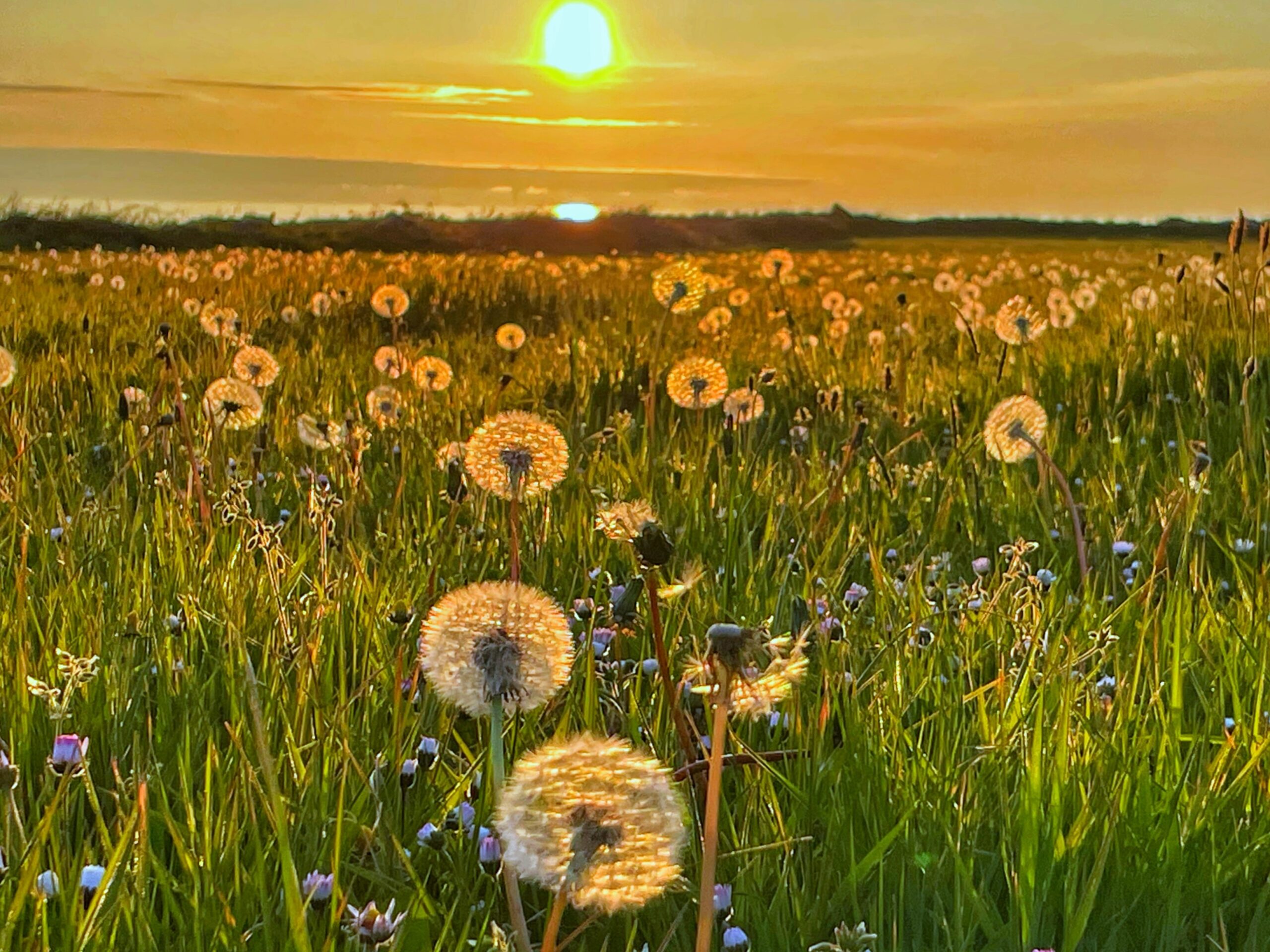
013Constantine Bay sunset – Ben Hawkins

Drone Circling at Night, Rame Head Chapel by Oliver Dickinson

1st – 055 Polperro Beach – Laura Moody
We lead and support projects and initiatives that increase access into the protected landscape. We are committed to increasing access, both physical and digital, for those who are underserved by the National Landscape. Connecting the 12 sections of Cornwall National Landscape is important to achieve the physical linking of people and place. Access, both physical and digital, promotes mental health and wellbeing, connecting people with nature and removing all barriers (physical and cultural) to experiencing, and appreciating, the protected landscape.

Under a pitch black starry sky in West Penwith, when sitting by some of the ancient monuments, we are looking at the very sky that 2000 years or more ago our ancestors were looking at. We must protect that sky for future generations….
Preserve and enhance the dark night skies above West Penwith and Bodmin Moor for pleasure, leisure and to support the wellbeing of residents, visitors and wildlife.

Representing 6,000 years of Cornish history
This five-year project sought to ensure that the 40 Scheduled Monuments in the Cornwall National Landscape were better identified, supported and enjoyed by a wide range of people.

Follow Drolla on it’s journey across the 12 sections of Cornwall National Landscape, inviting residents and visitors alike to pause, reflect and reconnect with local identity, folklore and the healing power of nature.
Deliver a project which uses nature and the arts to increase access to the protected landscape and improve wellbeing.

Skeletal remains of a male, dating from 1700, were found in Section 04 of Cornwall National Landscape (AONB), situated along a busy coast path in Trevone. The remains have provided investigation and intrigue.
To explore the fictional life of the bones of Trevone to better engage with those in and outside of the protected landscape using art and storytelling as a mechanism for connection.

An exciting project which offered residents of Torpoint, Saltash and Liskeard the opportunity to join a free, varied volunteer programme at Maker Heights, Rame Head.
Conserving Cornish landscapes whilst gaining education, training and life skills, improving health and wellbeing and making long-lasting connections to people and places.