02 – Pentire Point to Widemouth

The Rumps Cliff Castle

Dinas Penntir

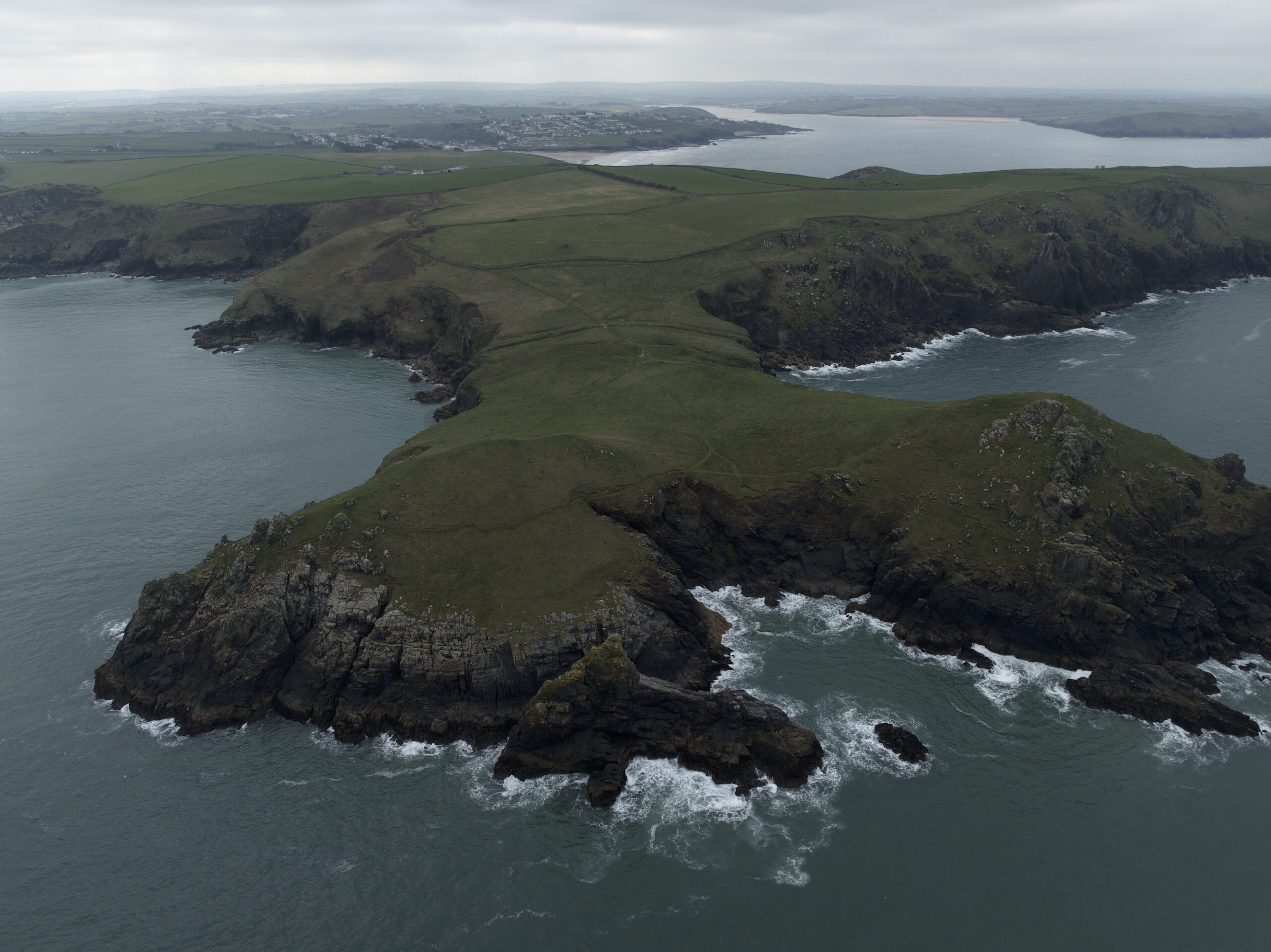
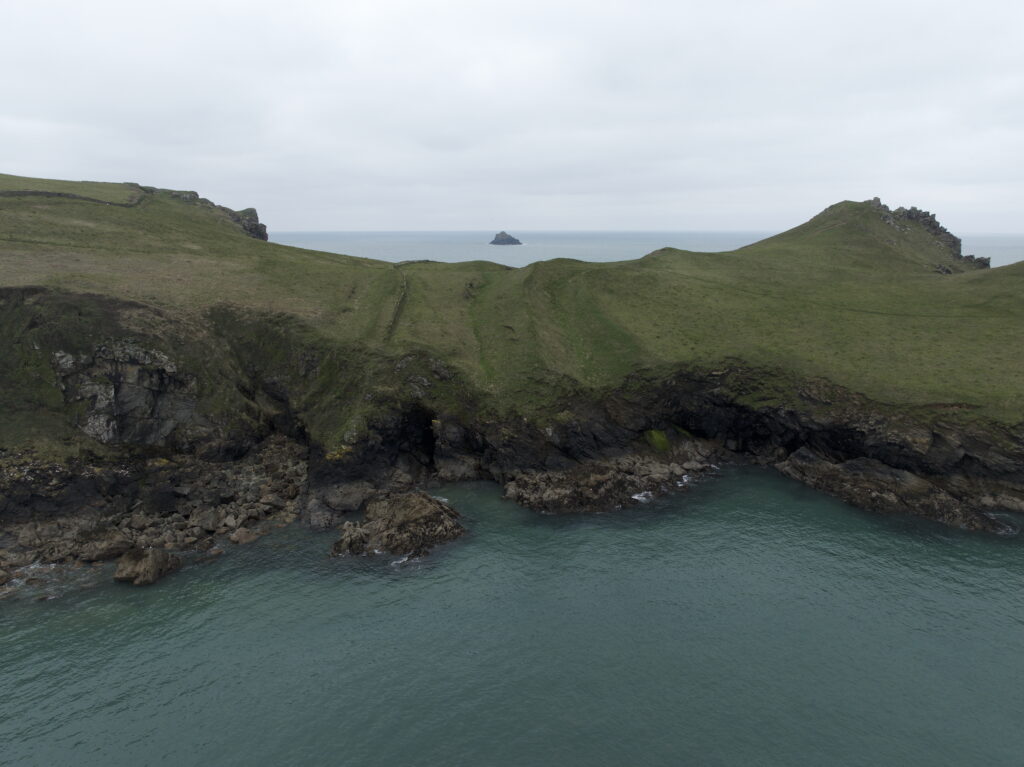
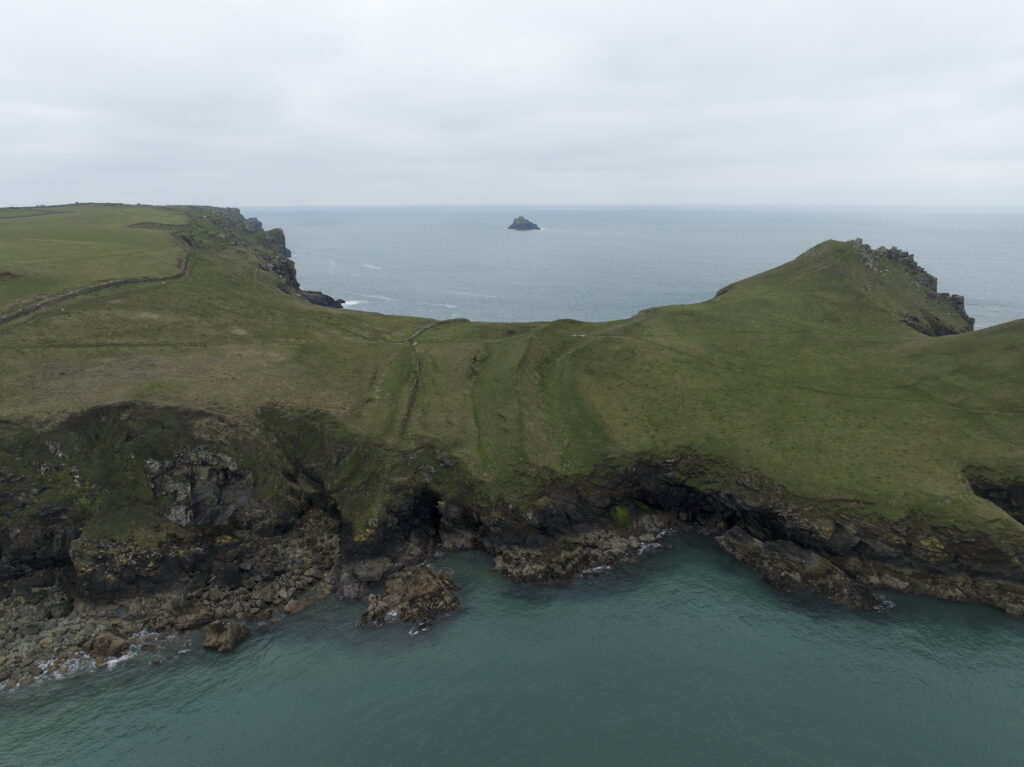
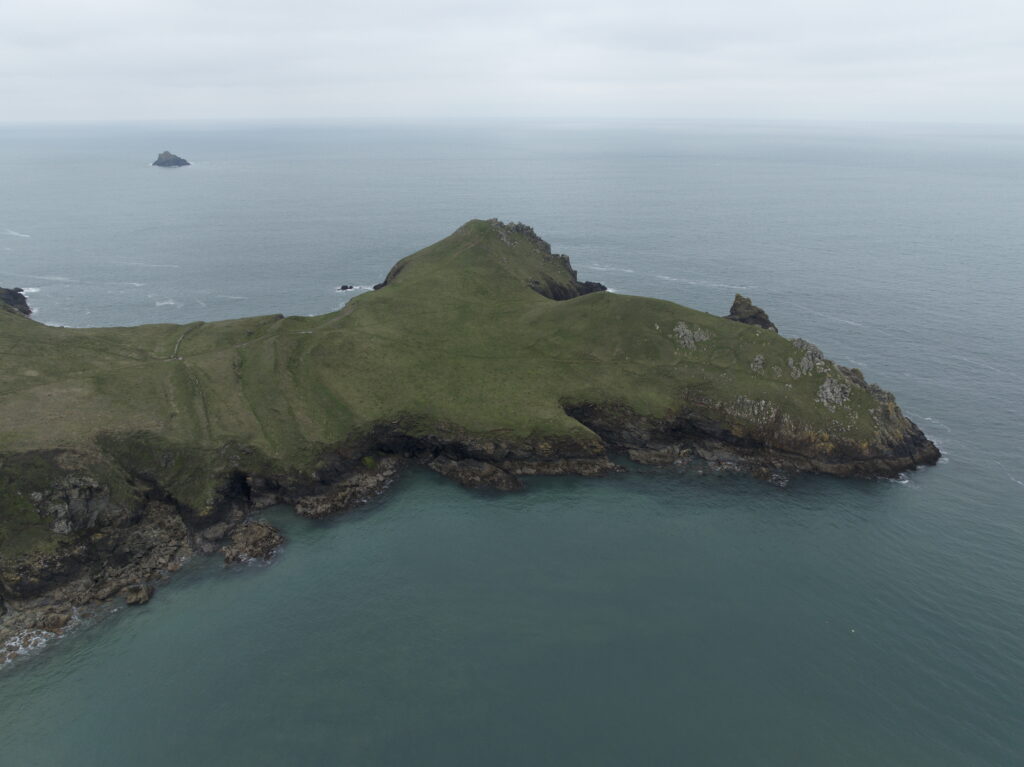
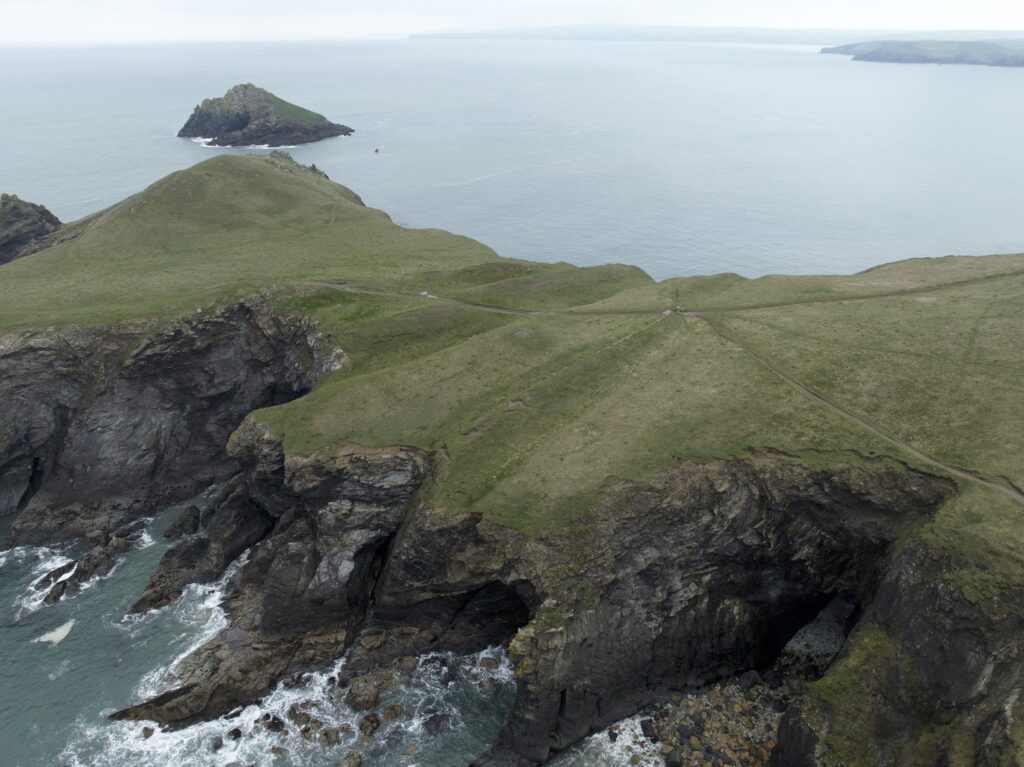
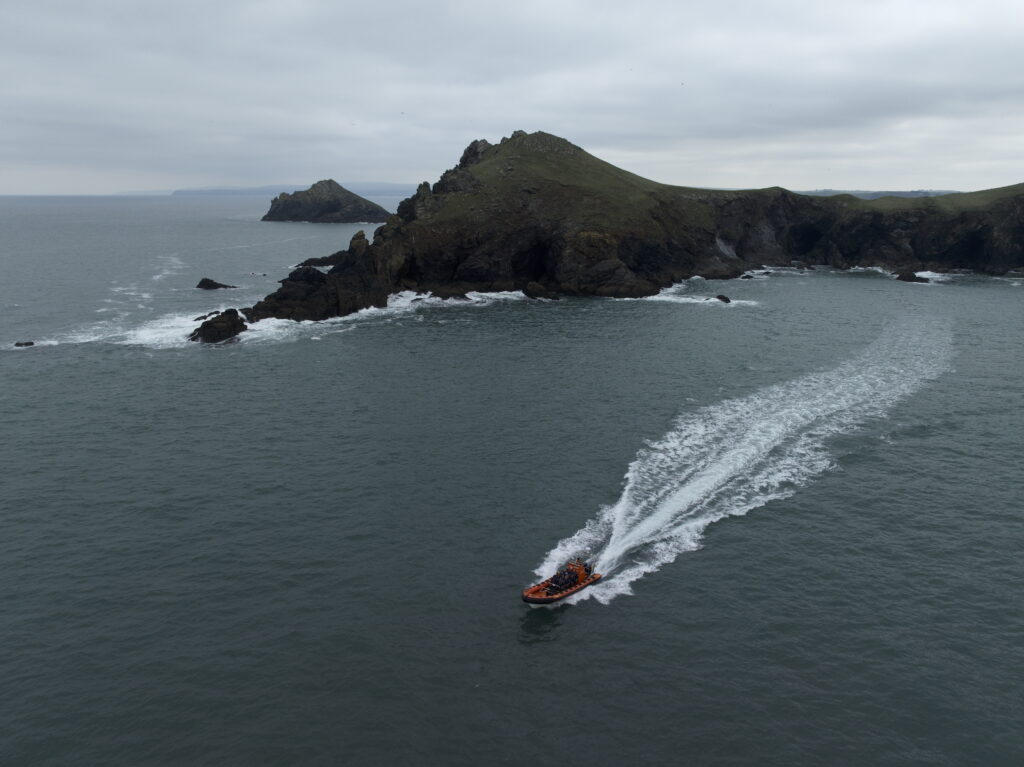
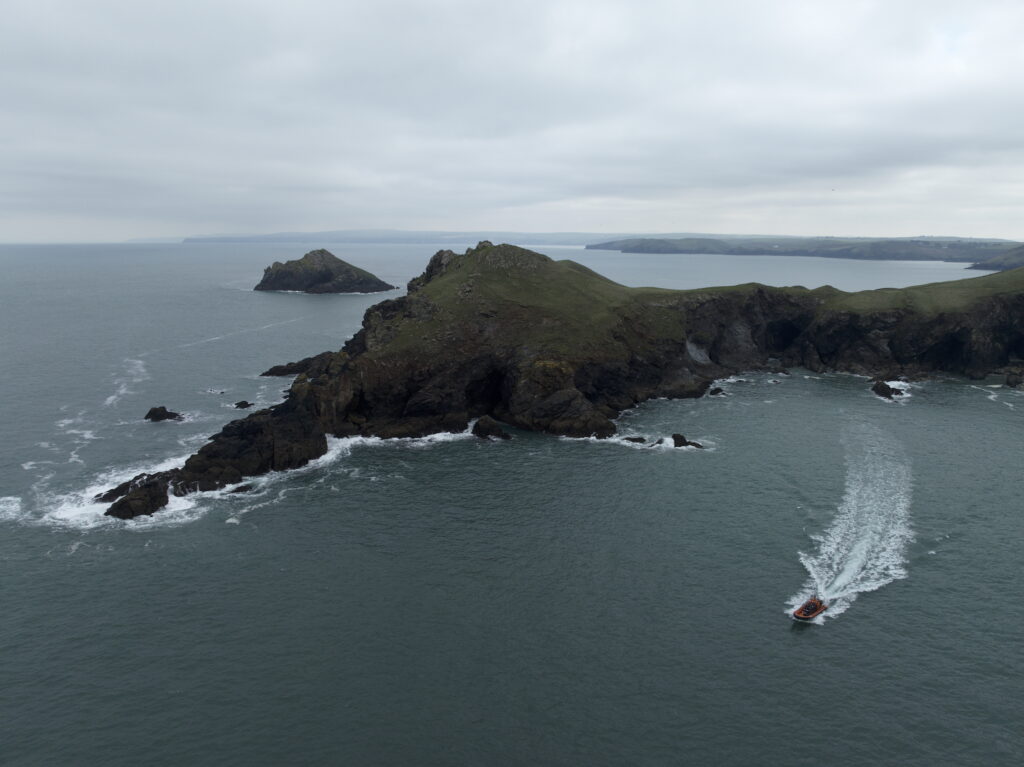
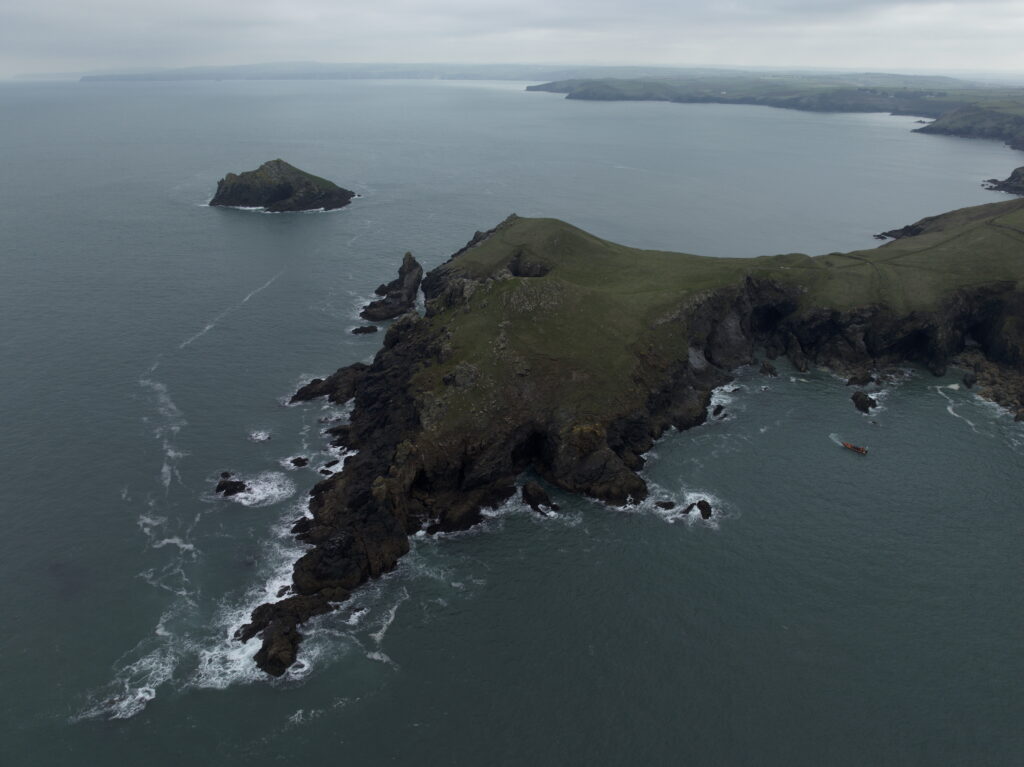
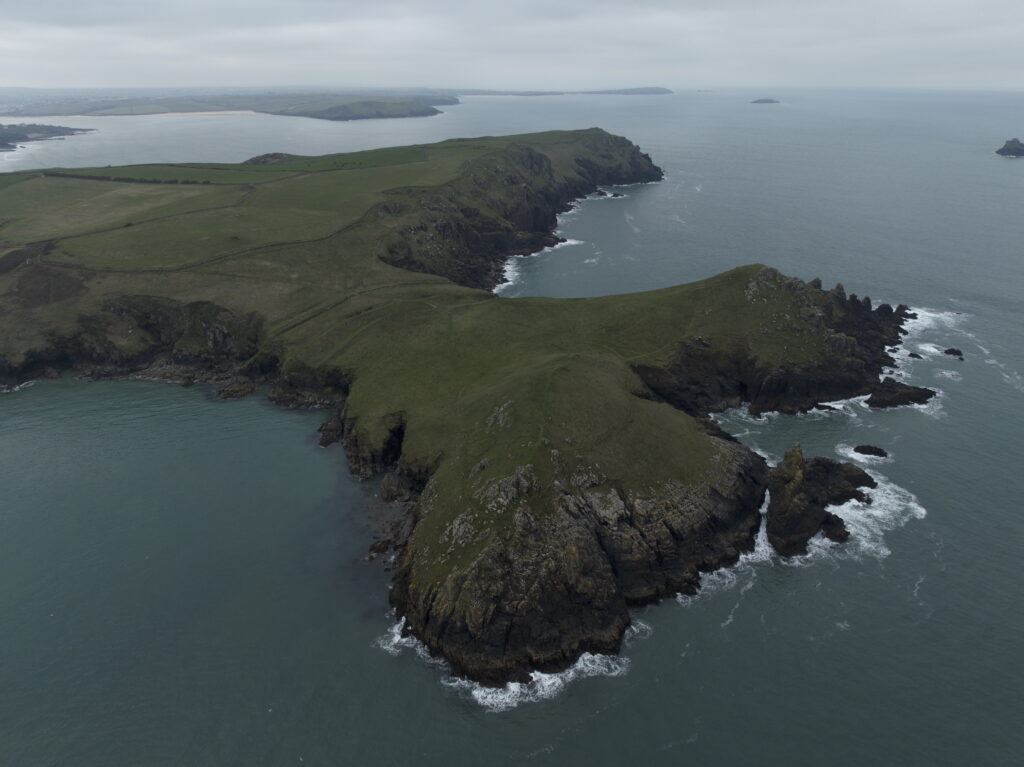
The Rumps is an ancient Cliff Castle projecting into the sea, built on an impressive promontory during the Iron Age over 2,000 years ago.

The Rumps Cliff Castle

History

Overview

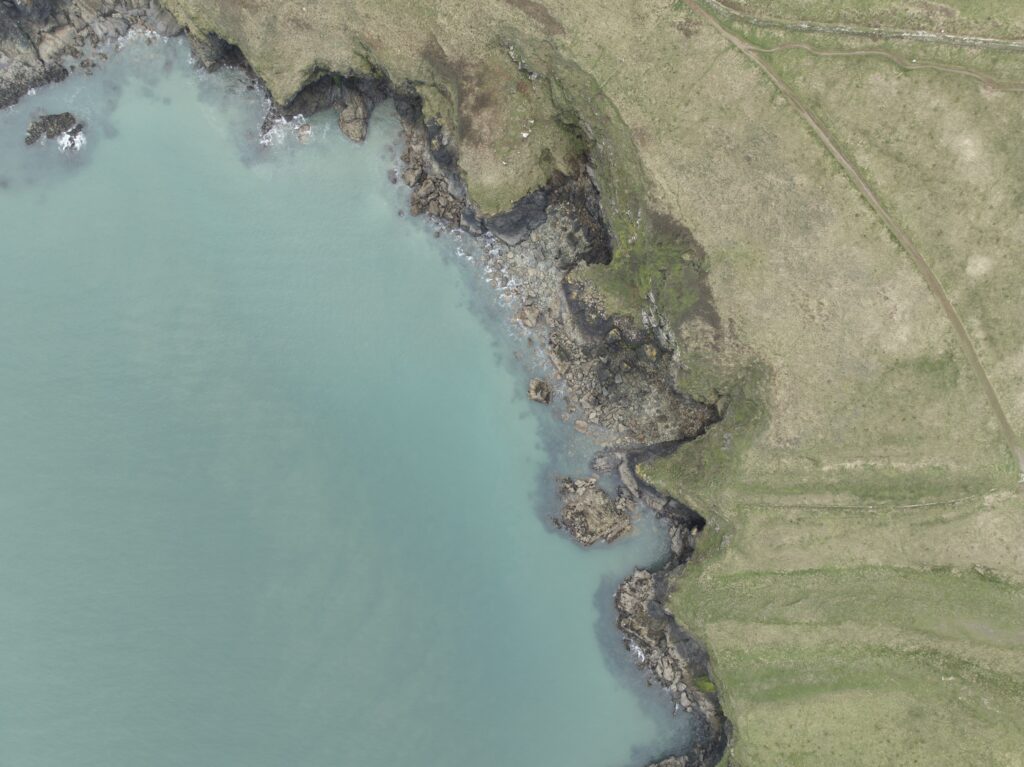
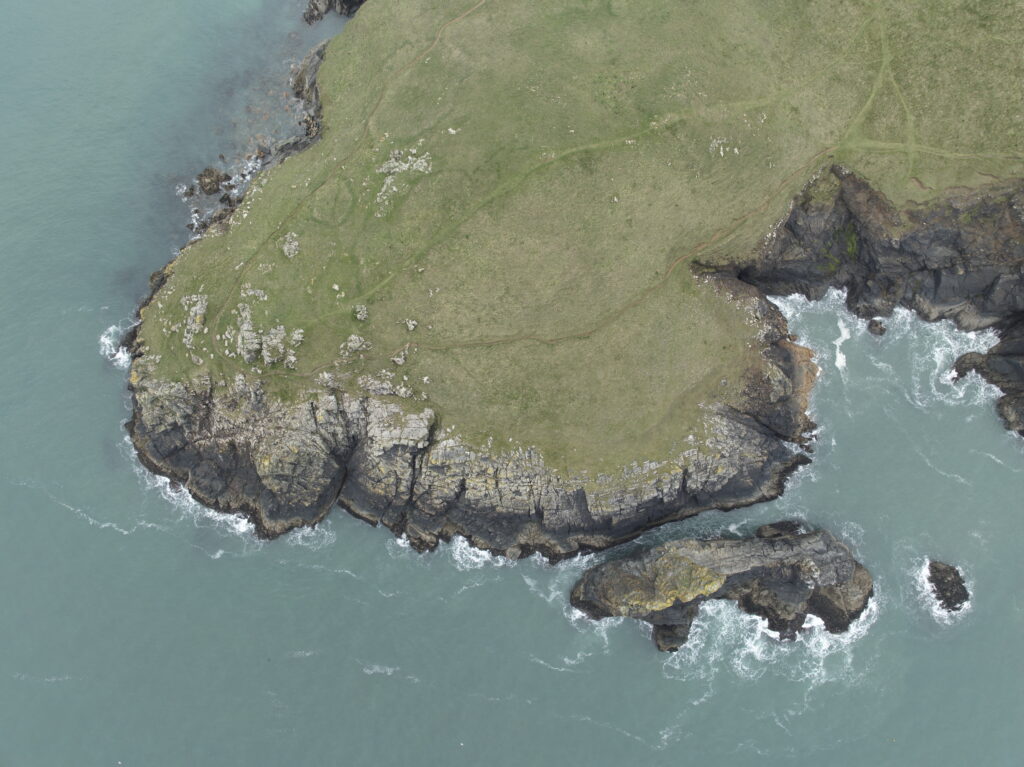
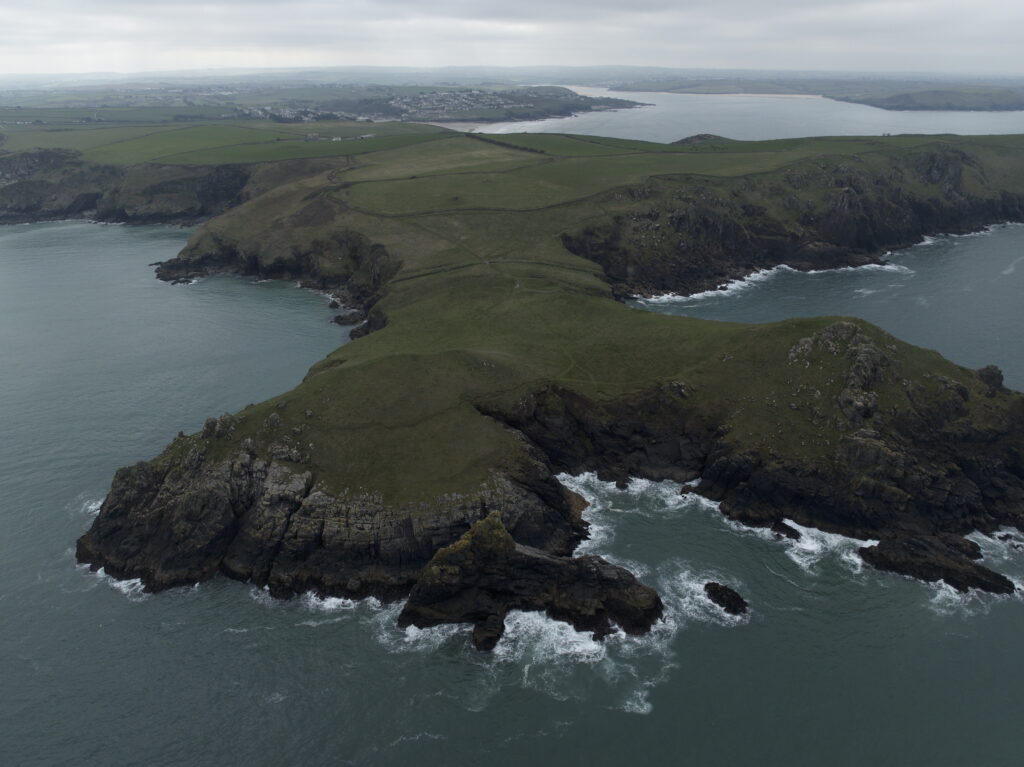
The Rumps is a rocky and grassy headland still bearing the traces of an Iron Age fort, built over 2,000 years ago. People chose this spot because it was easy to defend, cliffs on three sides meant enemies couldn’t sneak up and the big earth banks and ditches the people built helped protect the landward side. The people who lived here were likely farmers and herders, but they also knew how to build strong defences. From The Rumps, they could see far across the sea and land, keeping an eye out for visitors or danger.

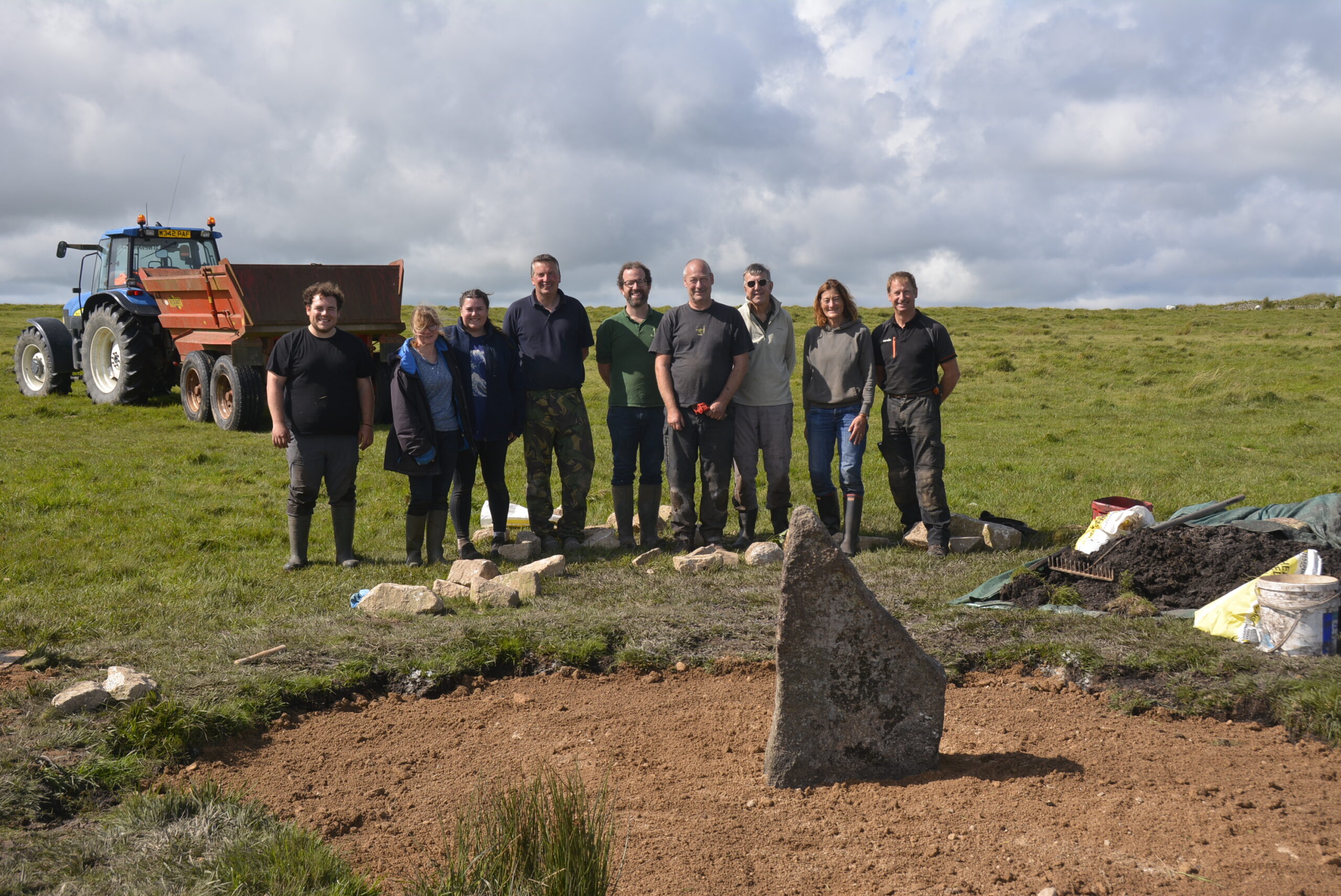
The Rumps Cliff Castle was part of Cornwall National Landscape’s A Monumental Improvement Project, which aimed to ensure that 40 scheduled monuments across Cornwall National Landscape were better protected, identified and enjoyed by a wider range of people. Between 2022 – 2025, the Project delivered conservation repairs, installed new heritage interpretation signage, ran a range of community volunteering events and developed new website resources. The Project was primarily funded thanks to The National Lottery Heritage Fund, with support from our other partners – Cornwall Council, Historic England, The National Trust, Cornwall Heritage Trust and Cornwall Archaeological Society.

Historical Significance

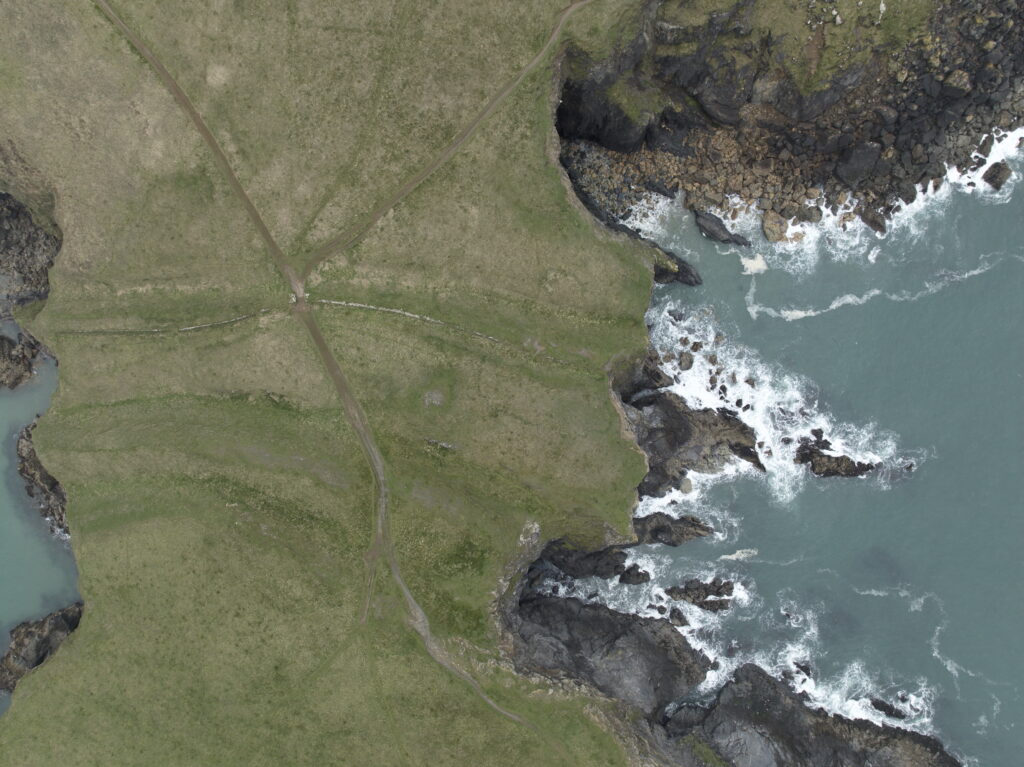
This site shows us how people in the Iron Age lived, worked and stayed safe. The shape of the land, with its steep drops and narrow neck, made it a natural fortress. Archaeologists believe the outer areas of the fort were for animals or storage, while the inner space was used for homes. You can still see the remains of the earth banks today, marking where walls and gates once stood.

The Rumps is so important that it’s been protected as a scheduled monument but it’s also on the Heritage at Risk register. That means parts of it are being damaged by weather and people walking off the paths. Caring for this place helps keep its history alive for everyone to explore and enjoy in the future.

Myths and Legends

Stories of The Rumps

This site shows us how people in the Iron Age lived, worked and stayed safe. The shape of the land, with its steep drops and narrow neck, made it a natural fortress. Archaeologists believe the outer areas of the fort were for animals or storage, while the inner space was used for homes. You can still see the remains of the earth banks today, marking where walls and gates once stood.

The Rumps is so important that it’s been protected as a scheduled monument but it’s also on the Heritage at Risk register. That means parts of it are being damaged by weather and people walking off the paths. Caring for this place helps keep its history alive for everyone to explore and enjoy in the future.

Visuals

The Rumps Cliff Castle

Video Gallery

The Rumps Cliff Castle

Explore the Iron Age cliff castle from the comfort of your own home with our 3D model, created by merging lots of photos taken of the site from all angles.

About The Rumps

Watch this short video to learn more.

The Rumps in 3D

View of The Rumps by 3deep

Protect

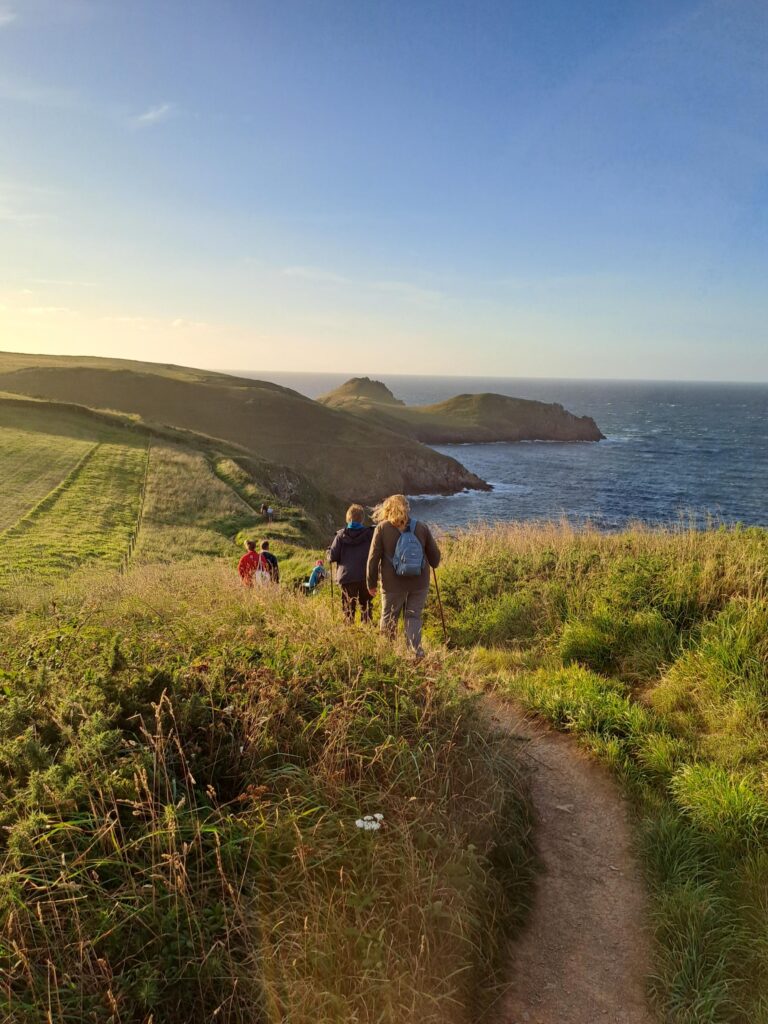
2023-07-03- Rumps - Walk - Linus Leading

Features of Interest

The Rumps is a special place, but it needs looking after. It’s on the Heritage at Risk register, which means its ancient earthworks are being worn away by time, weather and foot traffic. When people walk off the paths or when heavy rain washes away soil, the Iron Age defences can be damaged bit by bit. Even small actions, like climbing the banks, can slowly harm what’s left of this 2,000 year old fort.

Rumps Walk
View of the Rumps at Pentire, Cornwall National Trust/Paul Harris

Local Flora & Fauna

The Rumps isn’t just full of history, it’s also buzzing with wildlife! In spring and summer, you might spot colourful wildflowers like thrift and sea campion growing along the cliff edges. Look up and you could see kittiwakes, guillemots and even peregrine falcons swooping through the sky. Down below, lucky visitors might catch a glimpse of seals sunbathing on the rocks or even dolphins playing in the waves. It’s a great place to stop, look and listen but remember, the animals live here, so we need to be gentle guests.

How Visitors Can Help

Every visitor can play a part in protecting The Rumps. The best way to help is simple; stick to the paths and don’t climb on the earth banks. These ramparts were built over 2,000 years ago and walking on them wears them down. Keeping dogs on leads and taking litter home also helps protect both the monument and the wildlife that lives here.

If you want to do more, there are sometimes chances to join local volunteer days or help with surveys and clean-ups. Even sharing what you’ve learned with others can make a big difference. The more people who care about The Rumps, the better chance we have of keeping it safe for future generations.

Efforts and Challenges

Looking after The Rumps isn’t easy. Wind, rain and foot traffic all slowly wear away the ancient earthworks. Because the site is on the Heritage at Risk register, experts are keeping a close eye on it. Local teams and volunteers work hard to manage the footpaths, clear damaging plants like gorse and keep the site safe and tidy. But with limited resources and lots of visitors, protecting such an exposed coastal site takes constant care and every bit of help makes a difference.

The Rumps Cliff Castle 6

Translation Explanation

The Rumps Cliff Castle becomes Dinas Penntir in Cornish.
It means dinas – fort and penntir – headland.

Visit

Directions

Grid Ref: SW 93339 80998

Find with what3words: helpers.prop.inspected

Please visit the National Trust website for important visitor information here

Get Directions

Access and Visitor Information

Plan your visit with essential details on transport and parking options, available facilities, route descriptions and accessibility information to ensure a comfortable and enjoyable experience at any of our historical monuments.

Get Involved

You can play a part in preserving its beauty and history for future generations. Volunteering opportunities range from helping with conservation efforts to assisting with educational programmes and community events. Whether you have a passion for nature, history, or simply love the outdoors, there’s a way for you to contribute. Join us and make a difference while connecting with others who share your enthusiasm for Cornwall’s heritage. Contact us to find out more about how you can get involved!

teal rip edge bottom

Give a little back by volunteering

Cornwall National Landscape is a non-profit organisation that conserves the unique landscapes, wildlife, and cultural heritage of Cornwall. Volunteering for the protected landscape provides a rewarding experience of giving back to the community and preserving the Cornwall's natural beauty.

teal rip edge bottom
top border