12 – Bodmin Moor

Goodaver Stone Circle

Dons Meyn Kosmeur

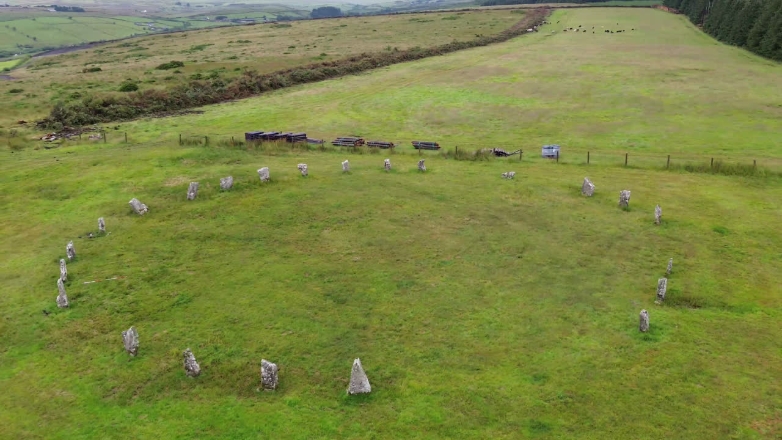
The Goodaver Stone Circle is a ring of tall granite stones on Bodmin Moor, where about 23 big standing slabs make a circle nearly 32 metres wide.

Goodaver Stone Circle

Periods

History

Overview

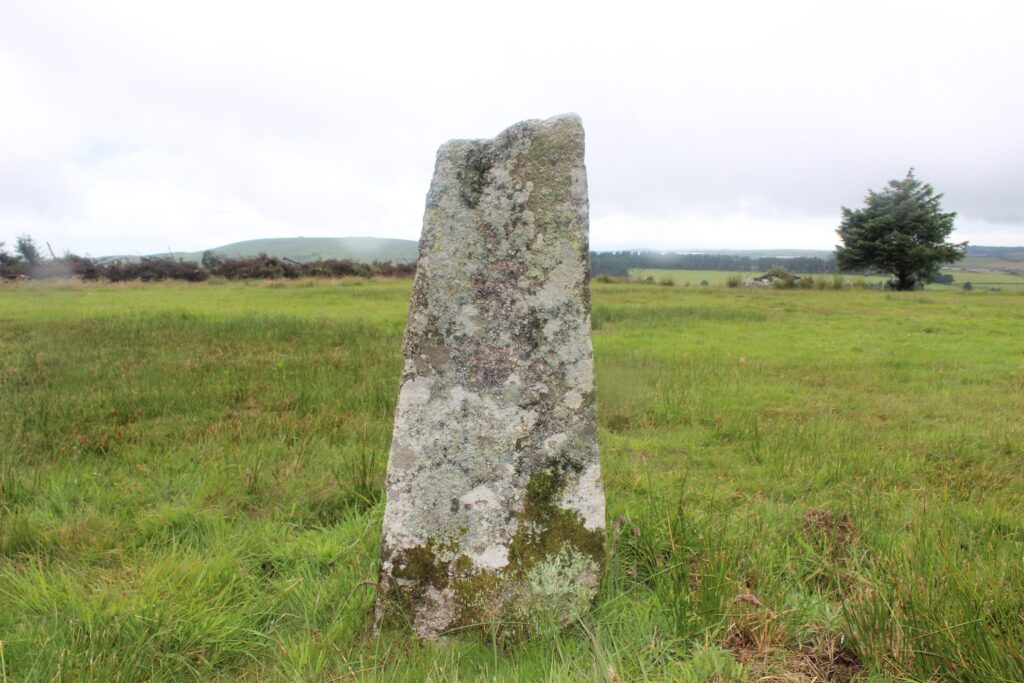
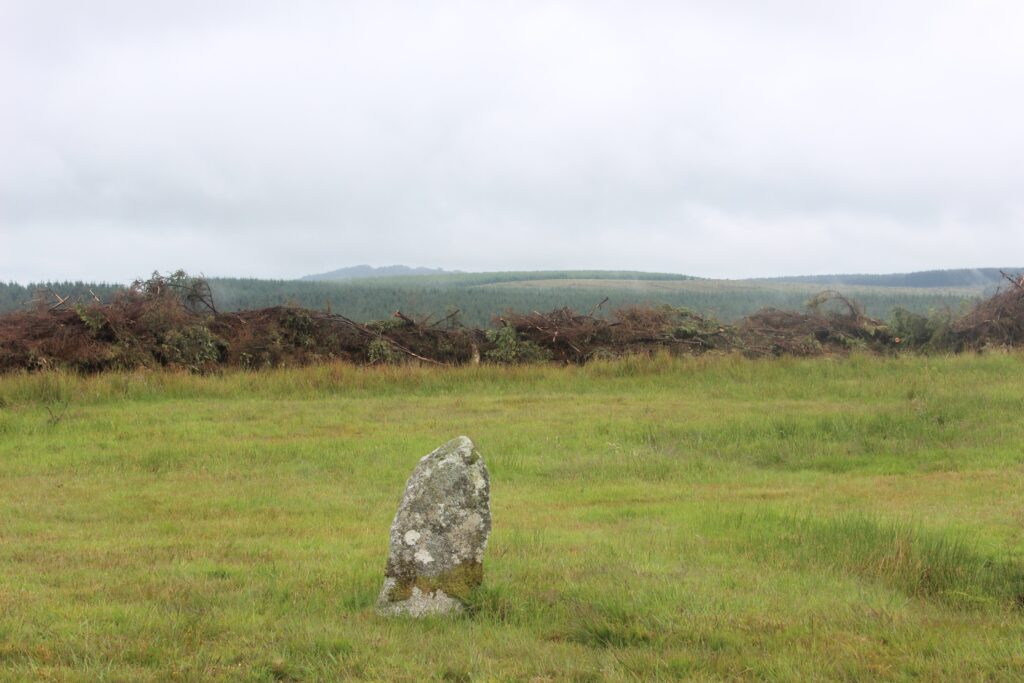
The Goodaver Stone Circle sits high on Bodmin Moor, surrounded by open moorland and wide skies. It is made up of around 23 granite stones, each standing upright in a ring about 32 metres across. The stones vary in height, with the tallest reaching over a metre. Some have fallen and some were re-set during a restoration in the early 1900s. Today, it remains a quiet and striking place, offering views across the moor and a reminder of the people who shaped the landscape thousands of years ago.

Goodaver Stone Circle was part of Cornwall National Landscape’s A Monumental Improvement Project, which aimed to ensure that 40 scheduled monuments across Cornwall National Landscape were better protected, identified and enjoyed by a wider range of people. Between 2022 – 2025, the Project delivered conservation repairs, installed new heritage interpretation signage, ran a range of community volunteering events and developed new website resources. The Project was primarily funded thanks to The National Lottery Heritage Fund, with support from our other partners – Cornwall Council, Historic England, The National Trust, Cornwall Heritage Trust and Cornwall Archaeological Society.

Historical Significance

Goodaver is thought to date back to the Bronze Age, more than 3,000 years ago. Stone circles like this were built by communities who worked together to move and position large stones with great care. While their exact purpose is still debated, they are often linked to gatherings, ceremonies, or marking the passing of seasons. The near-perfect circle and spacing of the stones at Goodaver show that its builders had a strong sense of planning and skill.

The site also tells a story about more recent history. In the early 20th century, Reverend A. H. Malan restored the circle, re-erecting many of the stones. While this means the arrangement we see today may not be exactly how it looked in prehistory, the work helped preserve the monument from further damage. As part of the wider group of prehistoric remains on Bodmin Moor, Goodaver is a Scheduled Monument, protected for future generations to explore and enjoy.

Visuals

Protect

Goodaver_Stone_Circle_-_Site_from_above

Features of Interest

Goodaver Stone Circle is a Scheduled Monument, which means it is legally protected because of its national importance. This status helps to make sure the site is looked after and any changes or work carried out are carefully managed. The open moorland setting can make the stones vulnerable to weathering, erosion and damage from livestock or visitors. Simple actions, like sticking to established paths and avoiding climbing on the stones, can make a big difference in helping the circle last for many more years.

Because parts of Goodaver were restored in the early 1900s, the monument also carries a record of modern intervention as well as prehistoric construction. Protecting the site today means caring for both its ancient fabric and its more recent history. Ongoing monitoring, responsible grazing and avoiding heavy machinery near the stones all help reduce the risk of harm. By following guidance from heritage organisations, we can protect the circle’s physical structure and keep its special atmosphere intact for future generations.

Goodaver
DCIM100MEDIADJI_0593.JPG

Local Flora & Fauna

The stone circle sits in the wild landscape of Bodmin Moor, where tough moorland plants thrive in the thin, acidic soils. Around the site you can spot purple heather, bright yellow gorse and tufts of moor grass swaying in the wind. In summer meadow pipits and wheatears dart between the stones. The surrounding heath supports insects like butterflies and dragonflies and you might see ponies or sheep grazing nearby. This mix of plants and animals adds to the sense of a living, changing landscape that has been home to both wildlife and people for thousands of years.

How Visitors Can Help

Visitors can play a big part in caring for Goodaver Stone Circle. Keeping to existing paths helps protect the ground around the stones from erosion, especially in wet weather. Avoiding climbing or leaning on the stones reduces the risk of loosening them or wearing away their surfaces. Take any litter home and leave plants and wildlife undisturbed so the moor stays healthy for future generations. By following these simple steps, each visit helps keep the site safe, clean and welcoming for everyone.

Efforts and Challenges

Heritage organisations work with local landowners to keep the site in good condition, making sure vegetation is managed and access paths remain clear. The Scheduled Monument status provides legal protection and occasional surveys help identify any signs of damage or erosion. Educational resources, signage and guided walks also play a role in helping visitors understand why the circle is important and how they can help to preserve it.

The site’s remote location on Bodmin Moor brings its own challenges. Harsh weather can wear away the granite and livestock can damage the ground around the stones. Visitor pressure, even from well-meaning walkers, can lead to gradual erosion. Balancing public access with conservation needs is an ongoing task, requiring cooperation between heritage bodies, landowners and the local community. These efforts aim to ensure that Goodaver’s ancient stones can be enjoyed without losing the qualities that make them special.<

Goodaver IMG_5589

Visit

Directions

Grid Ref: SX 20867 75151

Find with what3words: completed.sprinkler.flushed

Get Directions

Access and Visitor Information

Plan your visit with essential details on transport and parking options, available facilities, route descriptions and accessibility information to ensure a comfortable and enjoyable experience at any of our historical monuments.

Get Involved

You can play a part in preserving its beauty and history for future generations. Volunteering opportunities range from helping with conservation efforts to assisting with educational programmes and community events. Whether you have a passion for nature, history, or simply love the outdoors, there’s a way for you to contribute. Join us and make a difference while connecting with others who share your enthusiasm for Cornwall’s heritage.

teal rip edge bottom

Give a little back by volunteering

Cornwall National Landscape is a non-profit organisation that conserves the unique landscapes, wildlife, and cultural heritage of Cornwall. Volunteering for the protected landscape provides a rewarding experience of giving back to the community and preserving the Cornwall's natural beauty.

teal rip edge bottom

Dig In...

Discover a wealth of knowledge in our Resources section, where you can download detailed research documents, reports, and source material compiled by our archaeology team to enhance your understanding of the site.

top border