Monitoring & Evidence
Our objectives can be achieved through various means such as but not...
View page
Rew Meyn Torr Lowarn
Fox Tor Stone Alignment is a prehistoric monument on the wild moorlands of Cornwall dating back to the late Neolithic or early Bronze Age.
2900-1600BC
The alignment was likely erected over 3500 years ago.
1993
Fox Tor Stone Alignment was designated a Scheduled Monument, protected by law for future generations to learn from and enjoy.
2023
The site was removed from the Heritage at Risk register in 2024 as a result of conservation repairs undertaken by the Monumental Improvement project.
Fox Tor Stone Alignment dates back to the Late Neolithic or Early Bronze Age, over 4,000 years ago. This alignment of stones was likely used for ceremonial purposes or as a means of marking important events such as the movement of the sun or stars. The stones may have also acted as a boundary or pathway, guiding people to sacred areas. Although its exact purpose remains unclear, Fox Tor holds significant cultural and historical value, offering a glimpse into prehistoric life in Cornwall.
The stone row runs NNE-SSW across a valley, with 10 standing stones visible today. Originally, there were up to 32 stones, dating back to the late Neolithic or early Bronze Age. The alignment points towards Brown Gelly, a hill with ancient cairns. The largest stone stands at the southern end, creating a dramatic view.
The site was removed from the Heritage at Risk register in 2024 as a result of conservation repairs undertaken by the Monumental Improvement project. Read about the repairs here
Fox Tor Stone Alignment was part of Cornwall National Landscape’s A Monumental Improvement Project, which aimed to ensure that 40 scheduled monuments across Cornwall National Landscape were better protected, identified and enjoyed by a wider range of people. Between 2022 – 2025, the Project delivered conservation repairs, installed new heritage interpretation signage, ran a range of community volunteering events and developed new website resources. The Project was primarily funded thanks to The National Lottery Heritage Fund, with support from our other partners – Cornwall Council, Historic England, The National Trust, Cornwall Heritage Trust and Cornwall Archaeological Society.
The Fox Tor Stone Alignment is a key example of the Bronze Age’s rich ceremonial landscape. Stone alignments like this one were often connected to spiritual practices, likely involving rituals that reflected the early inhabitants’ connection to nature and the cosmos. It also provides evidence of sophisticated understanding of celestial events, as many stone alignments are thought to align with the solstices or equinoxes.
In addition to its ceremonial function, the alignment might have served as a territorial marker or a way to guide people between significant locations. Its enduring presence on the windswept moorlands speaks to the resilience of ancient structures and the cultural importance of such sites in prehistoric Cornwall.
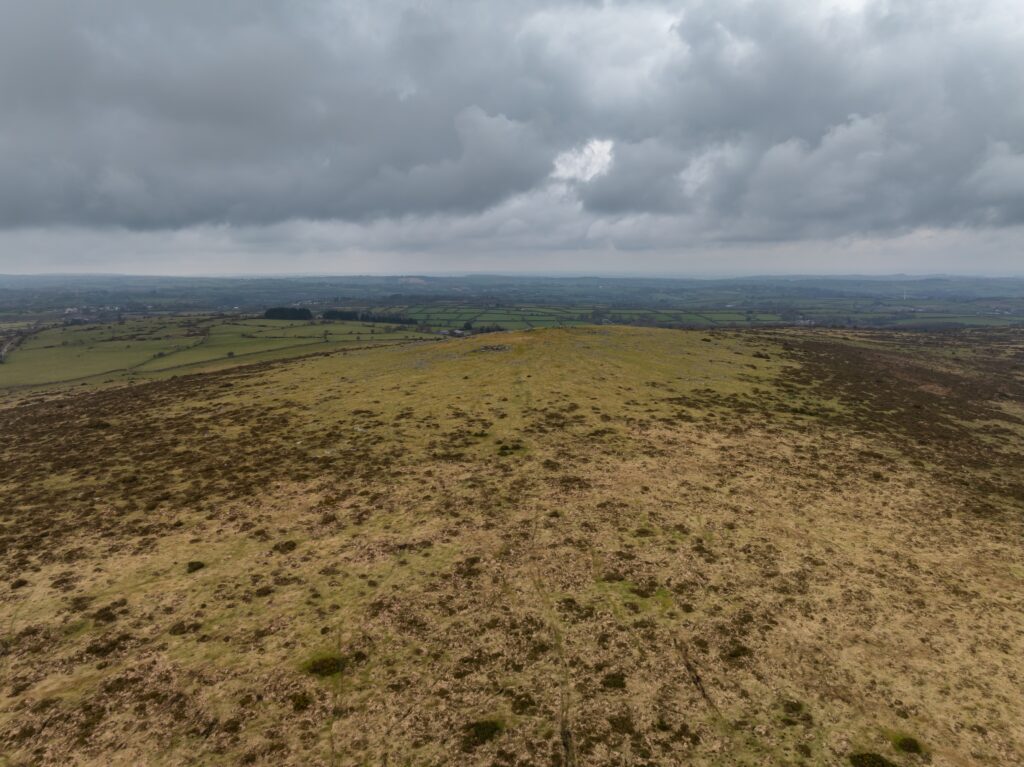
The first panorama provides a sweeping view of the windswept moorland surrounding Fox Tor Stone Alignment. The vast landscape, with distant horizons, highlights the isolation and wild beauty of the site, offering a glimpse into the environment where the stones were originally set.

In the second panorama, we continue to see the vast and open moorland, with its uneven terrain and scattered vegetation. While the stones themselves aren’t visible, the expansive view highlights the remote and rugged setting where the alignment is located, giving a sense of the wild, unspoilt nature surrounding the site.


Fox Tor Stone Alignment is a site of ecological importance, located on Bodmin Moor. The surrounding environment is home to a variety of moorland habitats, including rich patches of gorse and grasslands. These support wildlife such as birds and insects native to this rugged landscape. However, erosion caused by livestock like cattle, ponies and sheep poses a threat to the stability of the monument’s stones, as they erode the soil around the base of the stones. Rainwater collects in these eroded areas, further destabilising the ground. Efforts to repair and protect the site also help conserve its natural habitats.

The Fox Tor Stone Alignment is surrounded by the unique flora and fauna of Bodmin Moor. The moorland is home to a variety of hardy plants like gorse, heather and grasses that can survive in the harsh, windswept conditions. These plants provide important habitats for local wildlife, including birds such as skylarks and meadow pipits. Insects like butterflies and moths also thrive here, attracted by the flowers. Grazing animals, including sheep and ponies, roam the area, contributing to the natural landscape while sometimes impacting the monument through erosion.
Visitors to Fox Tor Stone Alignment can help protect this ancient site by staying on marked paths and avoiding direct contact with the stones. This helps prevent further erosion and damage to the fragile ground around the monument. Keeping dogs on leads and not disturbing grazing livestock also contributes to preserving the landscape. Finally, respecting the natural environment by taking litter home and not picking wildflowers ensures the site remains beautiful for future generations.
Conserving and preserving Fox Tor Stone Alignment is a delicate task, with both natural and human-made challenges. One of the main threats comes from livestock, such as cattle, ponies and sheep, which erode the soil around the stones as they graze and rub against them. Over time, this causes the stones to become unstable and rainwater collects in the hollows, increasing the risk of toppling.
Efforts to protect the site include infilling eroded areas and re-erecting fallen stones. Vegetation, particularly overgrown gorse, also poses a challenge by obscuring the alignment, making the site harder to find and appreciate. Ongoing work by volunteers and conservation teams helps keep the site safe, but the constant battle with nature requires regular monitoring and maintenance.
Check out the conservation efforts carried out by the Monumental Improvement team at Fox Tor Stone Alignment

Fox Tor Stone Alignment becomes Rew Meyn Torr Lowarn in Cornish.
It means Rew – Row, Meyn – Stones, Torr – Protusion & Lowarn – Fox
Plan your visit with essential details on transport and parking options, available facilities, route descriptions and accessibility information to ensure a comfortable and enjoyable experience at any of our historical monuments.
When enjoying the countryside, it’s important to follow the Countryside Code to protect nature and preserve its beauty for everyone. This includes simple, respectful actions like not littering, always take your rubbish home or dispose of it properly in bins. Stick to designated paths to avoid damaging crops or wildlife habitats, and keep gates and property as you find them, whether open or closed. Be mindful of livestock and wildlife by keeping dogs under control and not disturbing animals. By following these guidelines, you contribute to the protection of the environment and ensure that others can enjoy the countryside as well.
There are no accessible paths or facilities at the Fox Tor Stone Alignment, and the rough, uneven ground may be challenging for visitors with limited mobility.
Fox Tor Stone Alignment is set in a remote part of the Cornish moorland, so there are no visitor facilities like toilets, cafés or information boards on-site. Paths can be uneven and muddy, especially after rain, so sturdy footwear is a must. There’s no official car park, but walkers can access the site via nearby public footpaths. This peaceful spot is best suited to those ready for an outdoor adventure and a bit of exploring.
There is no designated parking at the site, but limited roadside parking may be available nearby—please park considerately and avoid blocking gateways or access tracks.
Looking to explore the monument? Check out this walk on the IWalkCornwall website – Fox Tor Stone Alignment


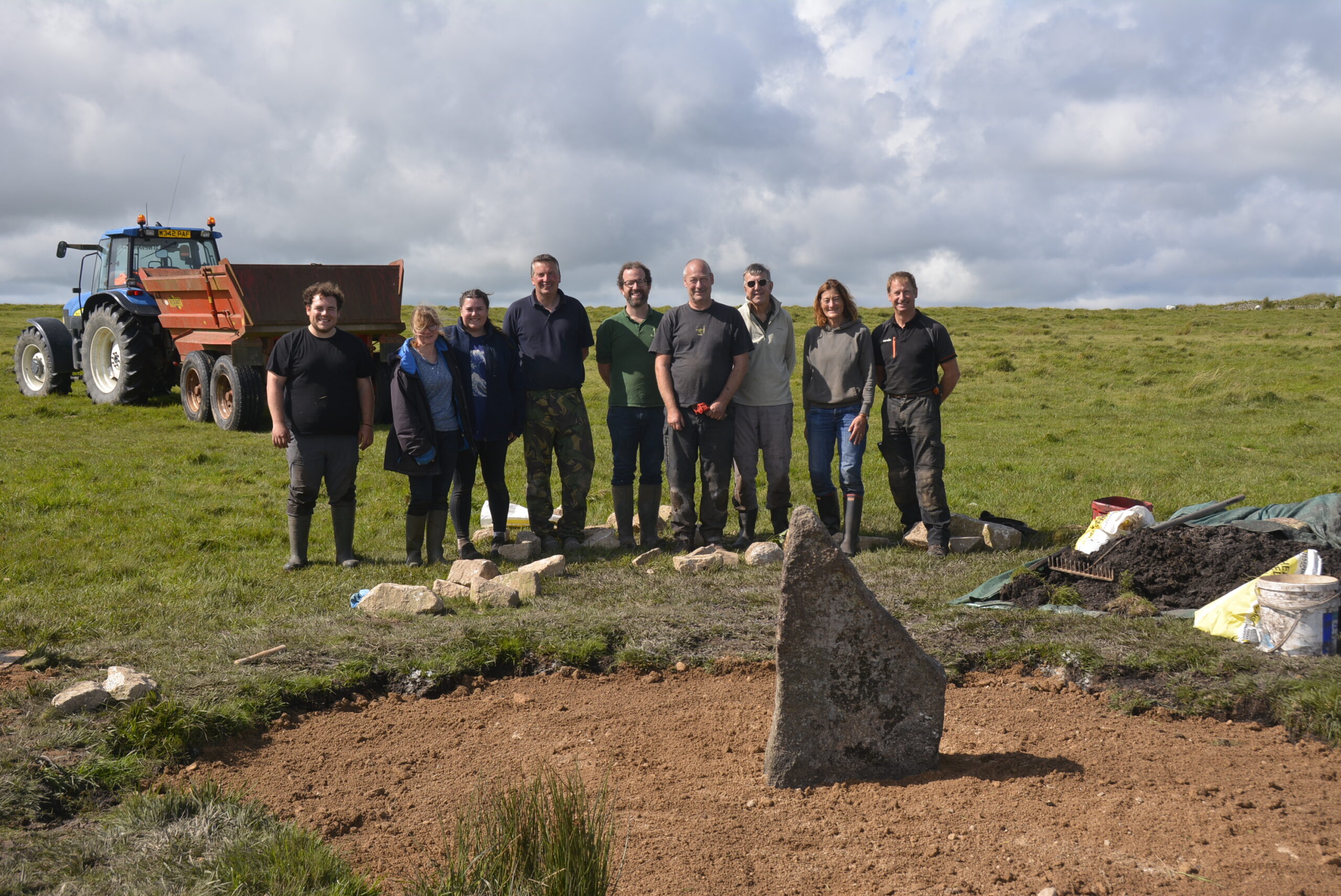
You can play a part in preserving its beauty and history for future generations. Volunteering opportunities range from helping with conservation efforts to assisting with educational programmes and community events. Whether you have a passion for nature, history, or simply love the outdoors, there’s a way for you to contribute. Join us and make a difference while connecting with others who share your enthusiasm for Cornwall’s heritage.

Cornwall National Landscape is a non-profit organisation that conserves the unique landscapes, wildlife, and cultural heritage of Cornwall. Volunteering for the protected landscape provides a rewarding experience of giving back to the community and preserving the Cornwall's natural beauty.

Discover a wealth of knowledge in our Resources section, where you can download detailed research documents, reports, and source material compiled by our archaeology team to enhance your understanding of the site.