Monitoring & Evidence
Our objectives can be achieved through various means such as but not...
View page
Discover the team our mandate and everything we stand for.
Monitoring & Evidence
Our objectives can be achieved through various means such as but not...
View pageOur Vision
The special qualities of the Cornwall AONB are conserved, enhanced and appreciated...
View pageThe Management Plan
The Management Plan is a shared strategy for those who live, work...
View pageThe Management Plan review
This is the first of two consultation and we invite you all...
View pageWhat is Natural Beauty?
Areas of Outstanding Natural Beauty are protected landscapes whose distinctive character and...
View pageThrough effective Partnership working the protected landscape plays a crucial role in nature recovery, resilience to climate change and conservation of the historic and natural environment, by consideration of four key priorities
Priority-Climate
The climate emergency is the defining challenge of our time. In January...
View pagePriority-Nature
Set against a backdrop of unprecedented concern for the future of the...
View pagePriority-People
Communities in the Cornwall AONB live entirely outside the main towns, within...
View pagePriority-Place
The Cornwall AONB is unique and special. The beauty and character of...
View pageThe hub for partners, stakeholders and strategic organisations engaged with Cornwall National Landscape.
Executive Board & Governance
The Cornwall AONB is governed by a partnership of 20 organisations
View pageFunders and Project Partners
The role of our funding partners.
View pagePartners & Organisations Directory
The organisations supporting Cornwall National Landscape.
View pageStakeholder Strategies
We work to influence the shape of forthcoming strategies.
View pageStrategy for Cornwall National Landscape
The Cornwall AONB Strategy in the context of international, national, regional and...
View pageOur role is to provide Planning, and related, consultations; Consultations on Local Plans and Neighbourhood Development Plans and Pre-application consultations made to Cornwall National Landscape.
Agriculture & Farming Transition
Supporting farmers to achieve a sustainable and profitable farm business and deliver...
View pageDevelopment Pressures
The statutory purpose of the designation is to conserve and enhance the...
View pageLandscape-led development
Development within and affecting the Cornwall AONB, should be ‘landscape-led’.
View pageNature Recovery & Environment Act
Local Nature Recovery Strategies (LNRS) are plans for supporting nature in local...
View pagePlanning Responses
The responses we gave to planning matters inside any of our the...
View pageThe Cornwall Local Plan
The Cornwall Local Plan contains policies both specific to the designated landscape...
View pageWe are committed to supporting farmers to achieve a sustainable and profitable farm business and deliver outcomes for people, place, nature and climate.
Welcome the Community Hub for Cornwall National Landscape.
Discover the team our mandate and everything we stand for.
Monitoring & Evidence
Our objectives can be achieved through various means such as but not limited to, projects, collaborative...
View pageOur Vision
The special qualities of the Cornwall AONB are conserved, enhanced and appreciated by all who live,...
View pageThe Management Plan
The Management Plan is a shared strategy for those who live, work and visit the Cornwall...
View pageThe Management Plan review
This is the first of two consultation and we invite you all to complete the one...
View pageWhat is Natural Beauty?
Areas of Outstanding Natural Beauty are protected landscapes whose distinctive character and natural beauty are so...
View pageThrough effective Partnership working the protected landscape plays a crucial role in nature recovery, resilience to climate change and conservation of the historic and natural environment, by consideration of four key priorities
Priority-Climate
The climate emergency is the defining challenge of our time. In January 2019, Cornwall Council declared...
View pagePriority-Nature
Set against a backdrop of unprecedented concern for the future of the natural world and ecological...
View pagePriority-People
Communities in the Cornwall AONB live entirely outside the main towns, within villages, hamlets and scattered...
View pagePriority-Place
The Cornwall AONB is unique and special. The beauty and character of the AONB is primarily...
View pageThe hub for partners, stakeholders and strategic organisations engaged with Cornwall National Landscape.
Executive Board & Governance
The Cornwall AONB is governed by a partnership of 20 organisations
View pageFunders and Project Partners
The role of our funding partners.
View pagePartners & Organisations Directory
The organisations supporting Cornwall National Landscape.
View pageStakeholder Strategies
We work to influence the shape of forthcoming strategies.
View pageStrategy for Cornwall National Landscape
The Cornwall AONB Strategy in the context of international, national, regional and local priorities and goals.
View pageOur role is to provide Planning, and related, consultations; Consultations on Local Plans and Neighbourhood Development Plans and Pre-application consultations made to Cornwall National Landscape.
Agriculture & Farming Transition
Supporting farmers to achieve a sustainable and profitable farm business and deliver outcomes for people, place,...
View pageDevelopment Pressures
The statutory purpose of the designation is to conserve and enhance the natural beauty of the...
View pageLandscape-led development
Development within and affecting the Cornwall AONB, should be ‘landscape-led’.
View pageNature Recovery & Environment Act
Local Nature Recovery Strategies (LNRS) are plans for supporting nature in local areas.
View pagePlanning Responses
The responses we gave to planning matters inside any of our the areas inside the Cornwall...
View pageThe Cornwall Local Plan
The Cornwall Local Plan contains policies both specific to the designated landscape and also wider policies...
View pageWe are committed to supporting farmers to achieve a sustainable and profitable farm business and deliver outcomes for people, place, nature and climate.
Welcome the Community Hub for Cornwall National Landscape.
27 August 2026 · News
Brief for consideration Context Cornish hedges are among Cornwall’s most distinctive cultural and historic assets. Dating back over 3,500 yrs old, they represent one...
Melodie Manners

Treveddoe Farm, located in Warleggan within Section 12 (Bodmin moor) of Cornwall National Landscape, underwent a remarkable transformation through the Farming in Protected Landscapes (FiPL) programme. Led by farmer Ben Thomas, the project aimed to regenerate the farm using sustainable grazing practices that enhanced biodiversity, improved soil health, and built resilience against climate change.
The challenge for Treveddoe Farm had been to move away from traditional grazing methods and reliance on artificial inputs. Ben envisioned a system that would restore soil health, sequester carbon, and create a thriving habitat for wildlife, while continuing to produce high-quality beef for local markets as part of a place-based food system. This ambition aligned perfectly with the FiPL programme’s goals of supporting nature recovery and sustainable farming within protected landscapes.
Ben farm introduced native breed cattle—Belted Galloways and Devons—and through FiPL funding adopted a mob grazing system. This innovative approach involved rotational grazing with long rest periods, allowing pastures to recover and develop diverse sward structures. The cattle were 100% pasture-fed, with no artificial inputs used. To make this system efficient, the project invested in specialist equipment, including electric fencing and a mobile drinking trough system. In addition, they worked alongside Farm Carbon Toolkit to undertake soil assessments allowing them to make informed management decisions to improve carbon storage, biodiversity, and water infiltration.


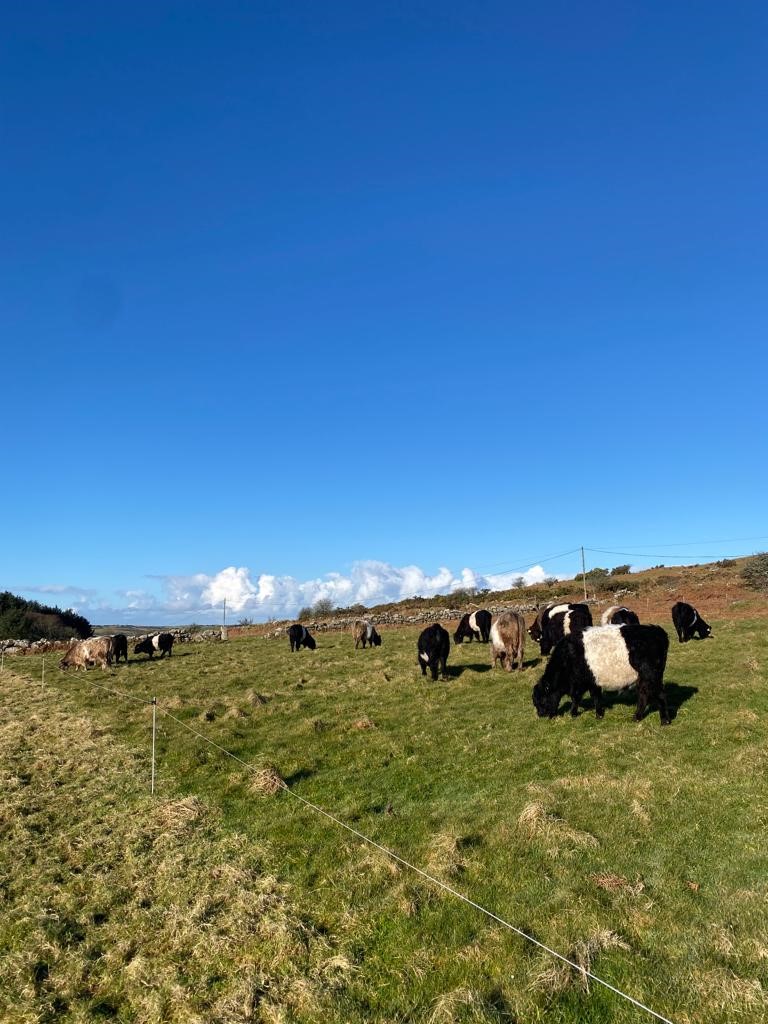
The projected impact of these changes was significant, a Biodiversity Net Gain (BNG) assessment showed that wildlife-rich habitats will likely expand by more than 66%, allowing biodiversity to flourish whilst the farm still produces beef for market.
Looking ahead, the project was designed for long-term sustainability. Mob grazing remained the core management system, reducing diesel use and allowing the cattle to be out-wintered. For other farmers interested in adopting this type of mob-grazing system, it should be noted that not all cattle are suitable for out-wintering, and breed is an important consideration.
The system that Ben and his wife have adopted allows them to keep their full-time employment off the farm, whilst still producing good quality beef and restoring nature. Ben also hosts educational farm visits for schools to come and learn about regenerative food production.
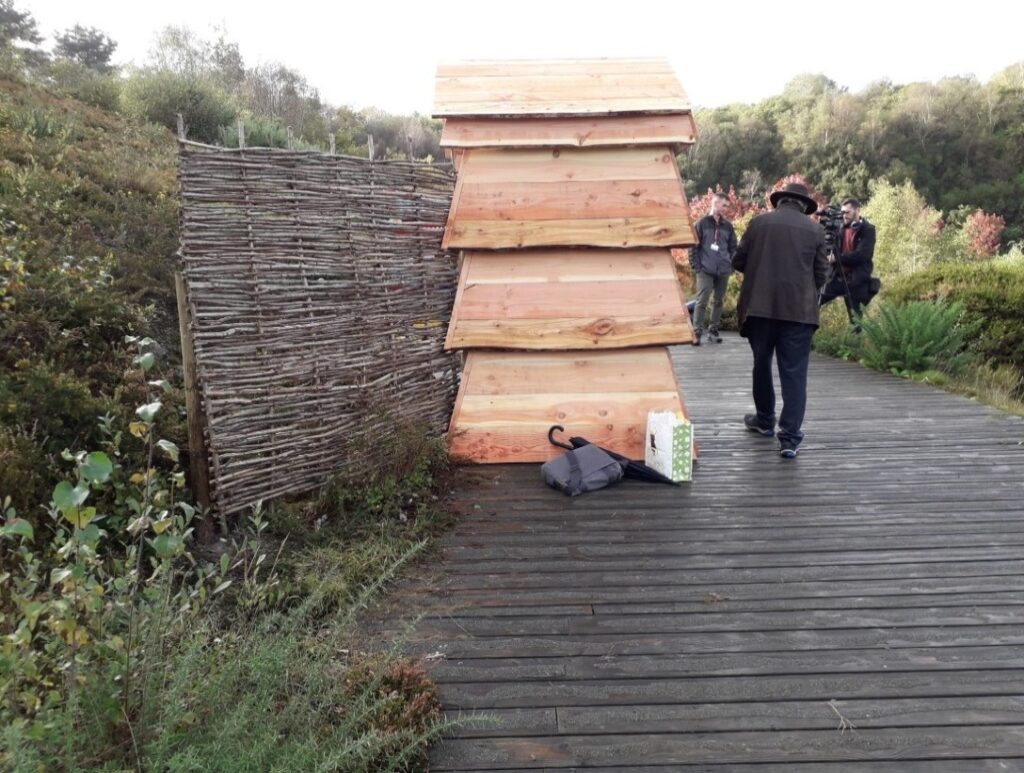
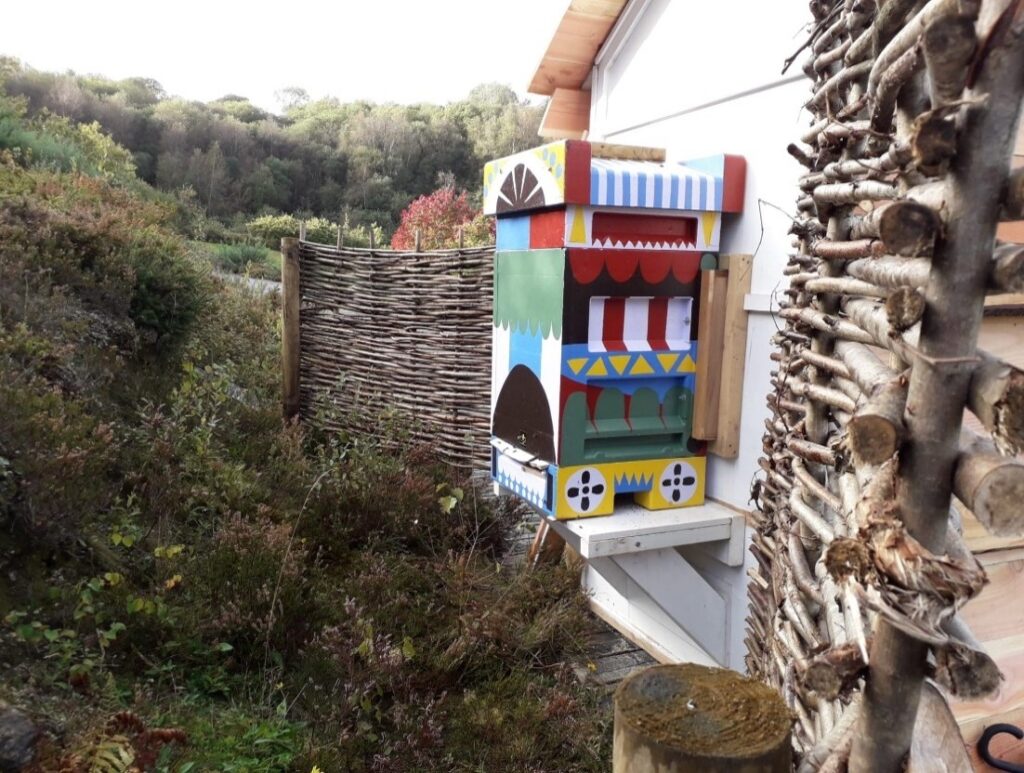
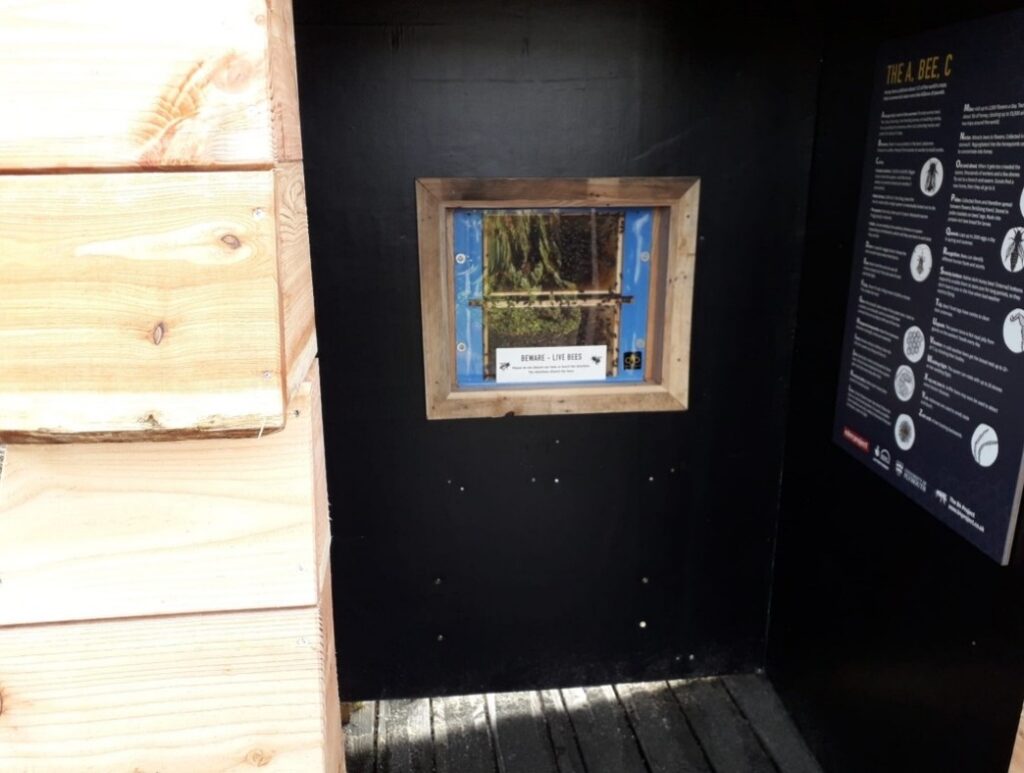
The educational visits have recently been supported by his landlord, who has renovated a barn on the farm into an accessible, educational facility. This development responds to growing demand from local schools and community groups for hands-on, farm-based learning experiences that teach children where their food comes from and highlight the importance of biodiversity. A key stand-out feature of this new hub, is the observation beehive which allows students to get up close and personal with native pollinators, and learn how pollinators are vital to our food production system.
Ben and Claudia’s first year of farming at Treveddoe was documented in the world-renowned documentary “Six-Inches of Soil” – you can read more about the film (and now the book) here.