Monitoring & Evidence
Our objectives can be achieved through various means such as but not...
View page
We are designated to conserve and enhance natural beauty, but we face significant pressures that drive landscape change. These forces are a mixture of environmental, social, economic, and policy-driven factors that alter the character, biodiversity, and community structure of these protected areas.

Cornwall’s National Landscape is shaped by a complex mix of environmental, social and economic pressures. From climate change and nature loss to evolving farming practices, development needs and shifts in policy, these forces are already influencing how the landscape looks, functions and is experienced.
While the designation provides strong protection, it does not exist in isolation. The landscape is living and working, closely connected to the communities within it. Managing change is therefore not about preventing it, but guiding it carefully, ensuring that natural beauty, cultural heritage and local distinctiveness are conserved and enhanced for the future.

The Cornwall Area of Outstanding Natural Beauty comprises varied landscapes whose distinctive characters and natural beauty and unique settlements, and rural, industrial and coastal heritage are so outstanding that it is in the nation’s interest to safeguard it.
Local Nature Recovery Strategies (LNRS) are plans for supporting nature in local areas. They will identify local priorities and the most strategic places to support nature recovery in order to enhance biodiversity and wider ecosystem services.


Cornwall AONB consists of 75% farmed land. We are committed to supporting farmers to achieve a sustainable and profitable farm business and deliver outcomes for people, place, nature and climate.
The Development Plan, which covers the 12 areas of the Cornwall AONB, includes the Cornwall Local Plan Strategic Policies 2010-2030 (adopted November 2016) and Made Neighbourhood Development Plans. The Cornwall Local Plan contains policies both specific to the designated landscape and also wider policies which would apply equally within the AONB.

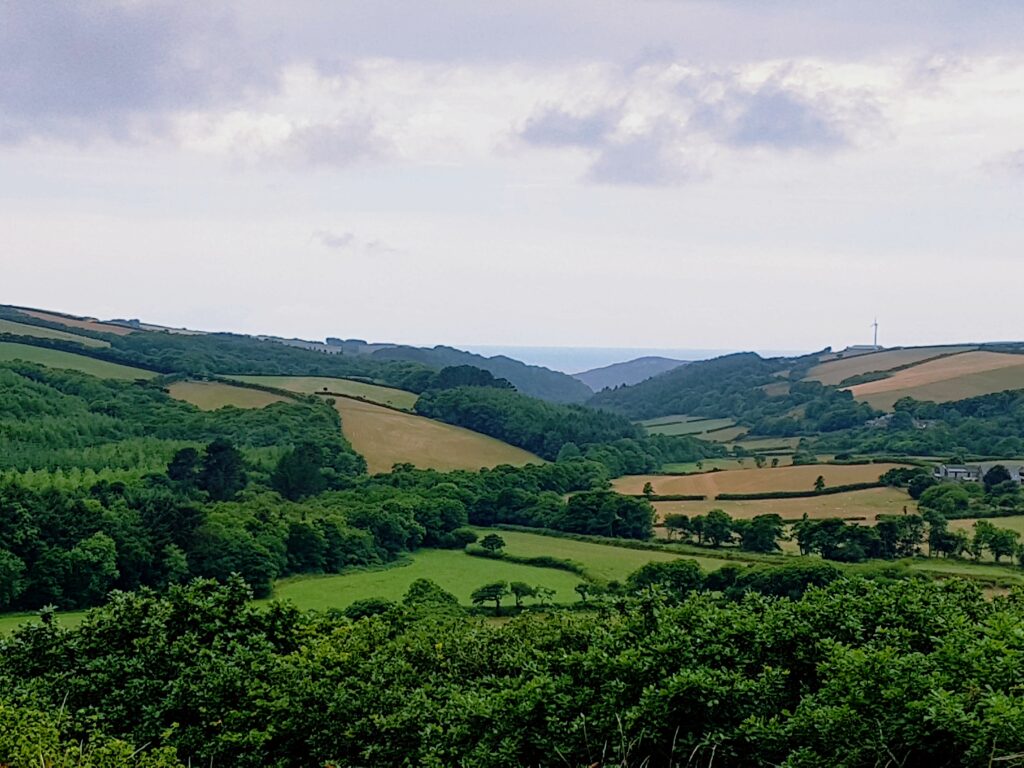
Development within and affecting the Cornwall AONB, should be ‘landscape-led’.
The earliest Cornish Hedges are understood to be over 4,000 years old, making them one of the oldest human-made structures still used for their original purpose. They are as old as the Egyptian pyramids. They are neither a hedgerow or a dry stone wall, they are uniquely different and only found in Cornwall.


Woodland and agroforestry are not just about planting trees. They are about reshaping how land works, how farms function, and how landscapes recover.