Monitoring & Evidence
Our objectives can be achieved through various means such as but not...
View page

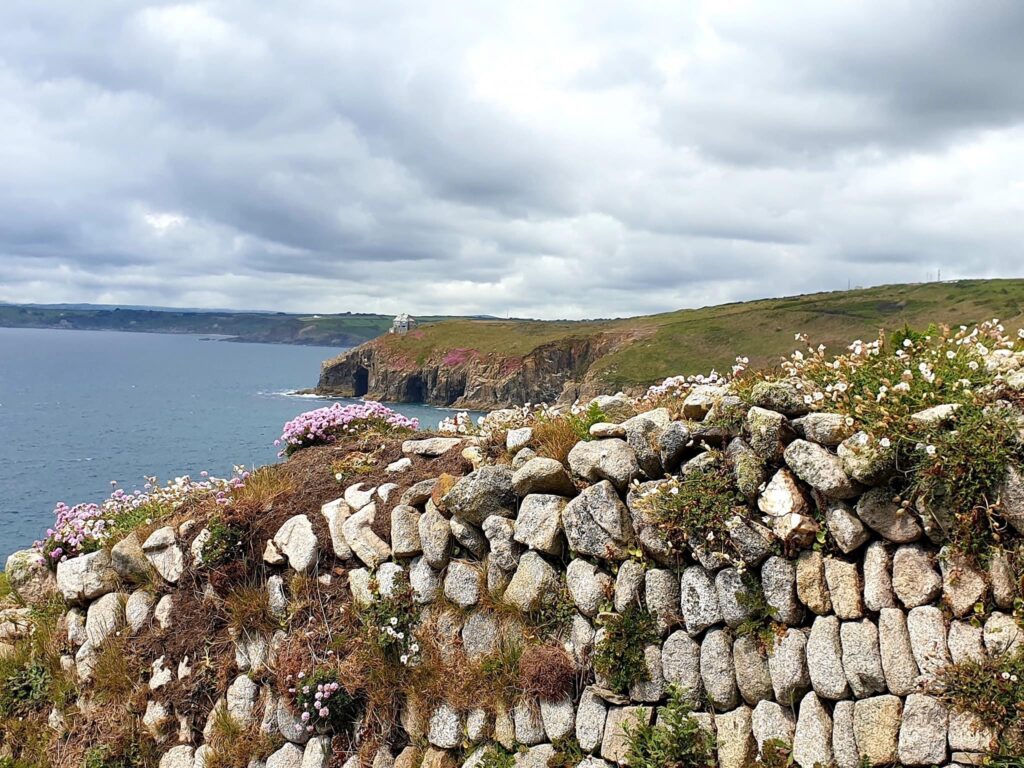
The key landscape characteristic of this section of Cornwall National Landscape is the dominant large granite intrusion that forms the distinctive St Agnes Beacon, which rises from the surrounding undulating coastal plateau (formed of slate killas) to a height of approximately 90m above sea level. The plateau itself is dissected by small streams flowing to the north coast and outcrops of craggy grey cliffs that slant away from the sea with wide expanses of sandy beach revealed at low tide.


This section of the AONB is situated on the north Cornwall coast and forms a narrow strip of land just half a kilometre wide at its most northerly point broadening to a kilometre wide at St Agnes Beacon and stretches from the southern edge of Perranporth to the north eastern edge of Porthtowan.
| AONB Section | Cornwall's Landscape Character areas | Marine Character Areas covering the coast/adjacent waters |
|---|---|---|
|
CA12: St Agnes CA14: Newlyn Downs |
MCA 45: Port Gaverne Bay to St Ives Bay |
The Key Landscape Characteristic of this section of the AONB is the dominant large granite intrusion that forms the distinctive St Agnes Beacon, which rises from the surrounding undulating coastal plateau (formed of slate killas) to a height of approximately 90m above sea level. The plateau itself is dissected by small streams flowing to the north coast and outcrops of craggy grey cliffs that slant away from the sea with wide expanses of sandy beach revealed at low tide.


The National Trust manages St Agnes Beacon, plus a coastal strip from Tubby’s Head through to Wheal Coates, Chapel Coombe and Wheal Charlotte north of Porthtowan.

Whilst the mining industry has carved its shape on the historic landscape of St Agnes, there are other historic remains including The St Agnes Beacon, ancient burial mounds, which date back to the Bronze Age as well as the Bolster Bank earthwork providing evidence of an early Iron Age settlement. More recent 20th century activity includes the runways and dispersal point of the World War II airfield on the cliff tops west of Trevellas.


Cornwall and West Devon Mining Landscape World Heritage Site is contiguous with the majority of the St Agnes Cornwall AONB section.
St Agnes Voluntary Marine Conservation Area is active in the area.
The AONB section falls partly within the Godrevy Head to St. Agnes SSSI.

State of the AONB Report 2021

The Monumental Improvement project will ensure that 38 Scheduled Monuments in the Cornwall National Landscape will be better identified, supported and enjoyed by a wide range of communities and visitors.

Hidden beneath the grassy slopes above Chapel Porth beach lie the remains of a medieval chapel, once a special place of worship with legendary connections.

St Agnes Beacon is a prominent landmark in Cornwall, known for its stunning views stretching from St Ives to Bodmin Moor. This Bronze Age barrow is believed to have once served as a burial site for a local chief. Later, it was used as a fire beacon to signal coastal threats. In the 18th century, a tower stood atop the Beacon, offering scenic vistas before eventually collapsing, leaving behind remnants that shaped the mound’s appearance.


About the Monument Chapel Porth Chapel is the earthwork remains of a rectangular chapel first listed in 2000. The monument is situated within Section 5 (St Agnes) of Cornwall National…
The policies and objectives below are applicable to this Local Section – they should, however, be read in conjunction with the Cornwall AONB Strategy Aims, Policies and Objectives which are applicable to the whole designation.
Require all new development including replacement dwellings, to be “landscape-led” to respond appropriately to the sensitivity and capacity of the landscape by conserving and enhancing the landscape character and natural beauty of the area. This needs to include consideration of cumulative and scale of replacement dwellings. It should also preclude extensions and encroachment.
References to the main aims, policies & objectives
 Policy LS-P1
Policy LS-P2
Policy LS-P3
Policy LS-P4
Policy LS-P6
Objective LS-Ob6
Policy LS-P1
Policy LS-P2
Policy LS-P3
Policy LS-P4
Policy LS-P6
Objective LS-Ob6
 Objective NRLM-Ob11
 Objective HC-Ob1
Objective HC-Ob2
Objective HC-Ob4
Objective HC-Ob11
Objective HC-Ob15
Policy RSA-P1
Policy RSA-P2
Policy RSA-P4
Objective RSA-Ob1
Objective RSA-Ob2
Objective RSA-Ob4
Objective RSA-Ob5
Objective HC-Ob1
Objective HC-Ob2
Objective HC-Ob4
Objective HC-Ob11
Objective HC-Ob15
Policy RSA-P1
Policy RSA-P2
Policy RSA-P4
Objective RSA-Ob1
Objective RSA-Ob2
Objective RSA-Ob4
Objective RSA-Ob5
 Policy SCE-P2
Policy SCE-P3
Policy SCE-P5
Policy SCE-P6
Objective SCE-Ob1
Objective SCE-Ob5
Policy PD-P1
Policy PD-P2
Policy PD-P3
Policy PD-P9
Policy PD-P12
Policy PD-P14
Policy PD-P18
Policy SCE-P2
Policy SCE-P3
Policy SCE-P5
Policy SCE-P6
Objective SCE-Ob1
Objective SCE-Ob5
Policy PD-P1
Policy PD-P2
Policy PD-P3
Policy PD-P9
Policy PD-P12
Policy PD-P14
Policy PD-P18
Seek the restoration and enhancement of the expansive openness of the coastal plateau and Beacon to keep free from intrusive development and tall structures. Support measures to minimise footpath erosion of coastal heathland and soils at the north edge of Porthtowan, around Chapel Porth, Trevellas Coombe and Cligga Head.
References to the main aims, policies & objectives
Policy LS-P1
Policy LS-P2
Policy LS-P3
Policy LS-P4
Policy LS-P6
Objective LS-Ob1
Objective LS-Ob2
Objective LS-Ob3
Objective LS-Ob4
Objective LS-Ob6
Objective NRLM-Ob1
Objective NRLM-Ob5
Objective NRLM-Ob6
Objective NRLM-Ob9
Objective NRLM-Ob11
Objective NRLM-Ob13
Objective CCBR-Ob4
Objective HC-Ob1
Objective HC-Ob2
Objective HC-Ob4
Objective HC-Ob11
Objective HC-Ob15
Policy RSA-P1
Policy RSA-P2
Objective RSA-Ob1
Objective RSA-Ob2
Objective HWB-Ob2
Objective HWB-Ob5
Policy SCE-P3
Policy SCE-P6
Objective SCE-Ob1
Objective SCE-Ob2
Objective SCE-Ob4
Objective SCE-Ob5
Policy PD-P1
Policy PD-P2
Policy PD-P3
Policy PD-P7
Policy PD-P12
Policy PD-P18
Protect the setting of St Agnes Beacon by conserving the extent and character of the surrounding farmland for example between it and the existing settlement edge of St Agnes, Goonvrea and smaller groupings of dwellings, in order to protect the landscape integrity of this key landscape feature.
References to the main aims, policies & objectives
Policy LS-P1
Policy LS-P2
Policy LS-P3
Policy LS-P4
Policy LS-P6
Objective LS-Ob1
Objective LS-Ob2
Objective LS-Ob3
Objective LS-Ob4
Objective NRLM-Ob5
Objective NRLM-Ob11
Objective NRLM-Ob13
Objective HC-Ob1
Objective HC-Ob2
Objective HC-Ob4
Objective HC-Ob15
Objective RSA-Ob1
Objective HWB-Ob2
Objective HWB-Ob5
Policy SCE-P6
Objective SCE-Ob1
Objective SCE-Ob2
Objective SCE-Ob4
Policy PD-P18
Encourage the sympathetic management of Perranporth Airfield, for example by improvement of boundary features and sensitive siting and design of airfield infrastructure.
References to the main aims, policies & objectives
Seek a reduction in landscape and visual impacts of tourism including better integration at existing holiday sites, caravan parks, holiday infrastructure, signage and car parks. Have particular regard to the increase in scale, massing and associated development and respecting local character in external works, landscaping, site design and layout
References to the main aims, policies & objectives
Policy LS-P1
Policy LS-P2
Policy LS-P3
Policy LS-P4
Policy LS-P6
Objective LS-Ob6
Objective NRLM-Ob11
Objective HC-Ob1
Objective HC-Ob2
Objective HC-Ob4
Objective HC-Ob11
Objective HC-Ob15
Policy RSA-P1
Policy RSA-P2
Objective RSA-Ob4
Objective RSA-Ob5
Policy SCE-P2
Policy SCE-P3
Policy SCE-P5
Policy SCE-P6
Objective SCE-Ob1
Objective SCE-Ob5
Policy PD-P9
Require particular consideration of the adverse cumulative effects of development of both replacement and new dwellings and the expansion of characteristic villages into their protected setting and settlement pattern. The unique historic character of many of these settlements reflects both
their vernacular form and buildings and also their relationship to their landscape setting. The loss of either characteristic will be disproportionately harmful.
References to the main aims, policies & objectives
Policy LS-P1
Policy LS-P2
Policy LS-P3
Policy LS-P4
Policy LS-P6
Objective NRLM-Ob11
Objective HC-Ob1
Objective HC-Ob2
Objective HC-Ob4
Objective HC-Ob12
Objective HC-Ob15
Policy RSA-P1
Objective RSA-Ob5
Policy SCE-P2
Policy SCE-P3
Policy SCE-P5
Policy SCE-P6
Objective SCE-Ob1
Objective SCE-Ob5
Policy PD-P1
Policy PD-P2
Policy PD-P3
Policy PD-P7
Policy PD-P12
Support initiatives to conserve engine houses, other mining structures and features and smallholders field patterns that are significant in the historic mining landscape. Important sites include Wheal Kitty, Wheal Charlotte, Polberro, Blue Hills and Wheal Coates.
References to the main aims, policies & objectives
Policy LS-P1
Policy LS-P2
Policy LS-P4
Policy LS-P6
Objective HC-Ob1
Objective HC-Ob2
Objective HC-Ob4
Objective HC-Ob6
Objective HC-Ob7
Objective HC-Ob9
Objective HC-Ob12
Objective HC-Ob14
Objective HC-Ob15
Objective RSA-Ob3
Objective RSA-Ob5
Objective HWB-Ob3
Policy SCE-P6
Objective SCE-Ob1
Objective SCE-Ob2
Support the integrated management of historic landscape and habitats building on existing National Trust, World Heritage Site and Cornwall
Biodiversity Initiative aims. These habitats include lowland meadows, post-industrial habitats, maritime cliff and slopes, lowland heathland and
native broadleaved valley woodlands.
References to the main aims, policies & objectives
Policy LS-P1
Policy LS-P2
Policy LS-P4
Policy LS-P6
Objective LS-Ob1
Objective LS-Ob2
Objective LS-Ob3
Objective LS-Ob4
Objective NRLM-Ob1
Objective NRLM-Ob2
Objective NRLM-Ob3
Objective NRLM-Ob5
Objective NRLM-Ob9
Objective NRLM-Ob12
Objective NRLM-Ob13
Objective CCBR-Ob2
Objective CCBR-Ob3
Objective CCBR-Ob4
Objective HC-Ob2
Objective HC-Ob4
Objective HC-Ob12
Objective HC-Ob14
Objective HC-Ob15
Objective RSA-Ob1
Objective RSA-Ob5
Objective HWB-Ob2
Objective HWB-Ob5
Objective SCE-Ob1
Objective SCE-Ob4
Support the St. Agnes Marine Conservatio Group and the continuation of the St. Agnes Voluntary Marine Conservation Area to protect and conserve; raise awareness and increase understanding; and encourage education and
research of the St. Agnes marine environment.
References to the main aims, policies & objectives
Related topics and useful links
The Management Plan is a shared strategy for those who live, work and visit the Cornwall Area of Outstanding Natural Beauty.
The Monumental Improvement project has ensured that 40 Scheduled Monuments in the Cornwall National Landscape have been better identified, supported and enjoyed by a wide range of communities and visitors.