Monitoring & Evidence
Our objectives can be achieved through various means such as but not...
View page
Discover the team our mandate and everything we stand for.
Monitoring & Evidence
Our objectives can be achieved through various means such as but not...
View pageOur Vision
The special qualities of the Cornwall AONB are conserved, enhanced and appreciated...
View pageThe Management Plan
The Management Plan is a shared strategy for those who live, work...
View pageThe Management Plan review
This is the first of two consultation and we invite you all...
View pageWhat is Natural Beauty?
Areas of Outstanding Natural Beauty are protected landscapes whose distinctive character and...
View pageThrough effective Partnership working the protected landscape plays a crucial role in nature recovery, resilience to climate change and conservation of the historic and natural environment, by consideration of four key priorities
Priority-Climate
The climate emergency is the defining challenge of our time. In January...
View pagePriority-Nature
Set against a backdrop of unprecedented concern for the future of the...
View pagePriority-People
Communities in the Cornwall AONB live entirely outside the main towns, within...
View pagePriority-Place
The Cornwall AONB is unique and special. The beauty and character of...
View pageThe hub for partners, stakeholders and strategic organisations engaged with Cornwall National Landscape.
Executive Board & Governance
The Cornwall AONB is governed by a partnership of 20 organisations
View pageFunders and Project Partners
The role of our funding partners.
View pagePartners & Organisations Directory
The organisations supporting Cornwall National Landscape.
View pageStakeholder Strategies
We work to influence the shape of forthcoming strategies.
View pageStrategy for Cornwall National Landscape
The Cornwall AONB Strategy in the context of international, national, regional and...
View pageOur role is to provide Planning, and related, consultations; Consultations on Local Plans and Neighbourhood Development Plans and Pre-application consultations made to Cornwall National Landscape.
Agriculture & Farming Transition
Supporting farmers to achieve a sustainable and profitable farm business and deliver...
View pageDevelopment Pressures
The statutory purpose of the designation is to conserve and enhance the...
View pageLandscape-led development
Development within and affecting the Cornwall AONB, should be ‘landscape-led’.
View pageNature Recovery & Environment Act
Local Nature Recovery Strategies (LNRS) are plans for supporting nature in local...
View pagePlanning Responses
The responses we gave to planning matters inside any of our the...
View pageThe Cornwall Local Plan
The Cornwall Local Plan contains policies both specific to the designated landscape...
View pageWe are committed to supporting farmers to achieve a sustainable and profitable farm business and deliver outcomes for people, place, nature and climate.
Welcome the Community Hub for Cornwall National Landscape.
Discover the team our mandate and everything we stand for.
Monitoring & Evidence
Our objectives can be achieved through various means such as but not limited to, projects, collaborative...
View pageOur Vision
The special qualities of the Cornwall AONB are conserved, enhanced and appreciated by all who live,...
View pageThe Management Plan
The Management Plan is a shared strategy for those who live, work and visit the Cornwall...
View pageThe Management Plan review
This is the first of two consultation and we invite you all to complete the one...
View pageWhat is Natural Beauty?
Areas of Outstanding Natural Beauty are protected landscapes whose distinctive character and natural beauty are so...
View pageThrough effective Partnership working the protected landscape plays a crucial role in nature recovery, resilience to climate change and conservation of the historic and natural environment, by consideration of four key priorities
Priority-Climate
The climate emergency is the defining challenge of our time. In January 2019, Cornwall Council declared...
View pagePriority-Nature
Set against a backdrop of unprecedented concern for the future of the natural world and ecological...
View pagePriority-People
Communities in the Cornwall AONB live entirely outside the main towns, within villages, hamlets and scattered...
View pagePriority-Place
The Cornwall AONB is unique and special. The beauty and character of the AONB is primarily...
View pageThe hub for partners, stakeholders and strategic organisations engaged with Cornwall National Landscape.
Executive Board & Governance
The Cornwall AONB is governed by a partnership of 20 organisations
View pageFunders and Project Partners
The role of our funding partners.
View pagePartners & Organisations Directory
The organisations supporting Cornwall National Landscape.
View pageStakeholder Strategies
We work to influence the shape of forthcoming strategies.
View pageStrategy for Cornwall National Landscape
The Cornwall AONB Strategy in the context of international, national, regional and local priorities and goals.
View pageOur role is to provide Planning, and related, consultations; Consultations on Local Plans and Neighbourhood Development Plans and Pre-application consultations made to Cornwall National Landscape.
Agriculture & Farming Transition
Supporting farmers to achieve a sustainable and profitable farm business and deliver outcomes for people, place,...
View pageDevelopment Pressures
The statutory purpose of the designation is to conserve and enhance the natural beauty of the...
View pageLandscape-led development
Development within and affecting the Cornwall AONB, should be ‘landscape-led’.
View pageNature Recovery & Environment Act
Local Nature Recovery Strategies (LNRS) are plans for supporting nature in local areas.
View pagePlanning Responses
The responses we gave to planning matters inside any of our the areas inside the Cornwall...
View pageThe Cornwall Local Plan
The Cornwall Local Plan contains policies both specific to the designated landscape and also wider policies...
View pageWe are committed to supporting farmers to achieve a sustainable and profitable farm business and deliver outcomes for people, place, nature and climate.
Welcome the Community Hub for Cornwall National Landscape.
27 August 2026 · News
Brief for consideration Context Cornish hedges are among Cornwall’s most distinctive cultural and historic assets. Dating back over 3,500 yrs old, they represent one...
Melodie Manners
The Cornwall Area of Outstanding Natural Beauty comprises varied landscapes whose distinctive characters and natural beauty and unique settlements, and rural, industrial and coastal heritage are so outstanding that it is in the nation’s interest to safeguard it.

The statutory purpose of the designation is to conserve and enhance the natural beauty of the area and it enjoys the same levels of protection from development as National Parks within the UK.

To maintain Cornwall AONB’s distinctiveness, development should contribute to the sense of place
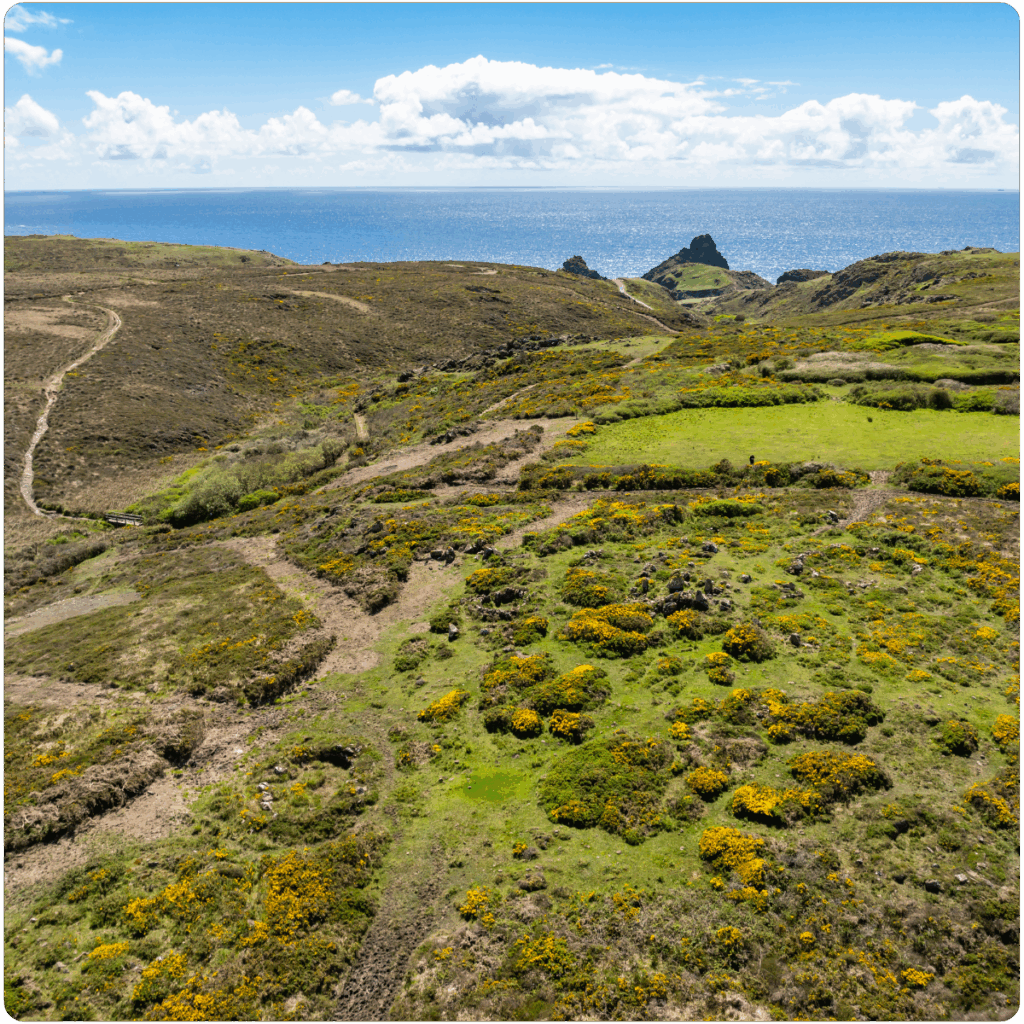
Notwithstanding this protection, the landscapes of the AONB are shaped by and inextricably linked to the lives and vitality of the communities within them and development needs to be shaped to reflect this within the confines of the protection afforded to them.
To maintain Cornwall AONB’s distinctiveness, development should contribute to the sense of place; it should respond to local historical, cultural and landscape context and enhance and feel part of the existing settlement and landscape.
The statutory purpose of the AONB and the Development Plan and material considerations dictate that particular control is required within the designated landscape to ensure that whilst providing for the continuing vitality and social inclusion of the local communities of the AONB, particular approaches will be required to deliver development which satisfies these requirements. These approaches include a requirement for informed contextual design, and an acute appreciation of landscape capacity and sensitivity.
Responsibility for Planning Policy and Development Control within the Cornwall AONB lies with Cornwall Council.
The Cornwall AONB Management Plan comprises a material consideration in development management and in development plan making.
Cornwall AONB has a Planning Position Statement, which sets out the understanding of the Cornwall AONB Unit with regard to the roles and responsibilities of Cornwall Council (as the Local Planning Authority) and the Cornwall AONB Unit (as a nonstatutory consultee) regarding planning matters affecting the Cornwall AONB.
Notwithstanding the statutory duty above, all matters of Development Management (planning decisions) within the AONB must be made in accordance with the Development Plan (Cornwall Local Plan and any made Neighbourhood Development Plans) and in the light of any material considerations as set out in the Planning and Compulsory Purchase Act 2004 38 (6).
The protection afforded to the Area of Outstanding Natural Beauty, in recognition of the national importance of its natural beauty and therefore landscape character, is clarified within the Countryside and Rights of Way (CRoW) Act 2000 as set out previously. Of particular importance are:
Notwithstanding the statutory duty above, all matters of Development Management (planning decisions) within the AONB must be made in accordance with the Development Plan (Cornwall Local Plan and any made Neighbourhood Development Plans) and in the light of any material considerations as set out in the Planning and Compulsory Purchase Act 2004 38 (6).

National planning policy is set out in the National Planning Policy Framework (NPPF) July 2021. This and the accompanying Planning Practice Guidance form important material considerations with regard to development management and confirm that:
Specifically, NPPF paragraph 174 requires that “planning policies and decisions should contribute to and enhance the natural and local environment by:
Likewise, NPPF paragraph 176 requires that:
“Great weight should be given to conserving and enhancing landscape and scenic beauty in National Parks, the Broads and Areas of Outstanding Natural Beauty, which have the highest status of protection in relation to these issues. The conservation and enhancement of wildlife and cultural heritage are also important considerations in these areas and should be given great weight in National Parks and the Broads. The scale and extent of development within these designated areas should be limited, while development within their setting should be sensitively located and designed to avoid or minimise adverse impacts on the designated areas.”
Cultural heritage is an integral component of the AONB and Chapter 16 of NPPF provides further detail on this:
“Heritage assets range from sites and buildings of local historic value to those of the highest significance, such as World Heritage Sites which are internationally recognised to be of Outstanding Universal Value. These assets are an irreplaceable resource, and should be conserved in a manner appropriate to their significance, so that they can be enjoyed for their contribution to the quality of life of existing and future generations”.
NPPF paragraph 177 clarifies that permission should “be refused for major development other than in exceptional circumstances, and where it can be demonstrated that the development is in the public interest. Consideration of such applications should include an assessment of:
Whilst the determination of what constitutes “major” development in the context of the AONB is a matter for the decision maker. Appendix ii of this plan sets out the views of the Cornwall AONB Partnership in this regard.
