Monitoring & Evidence
Our objectives can be achieved through various means such as but not...
View page
Discover the team our mandate and everything we stand for.
Monitoring & Evidence
Our objectives can be achieved through various means such as but not...
View pageOur Vision
The special qualities of the Cornwall AONB are conserved, enhanced and appreciated...
View pageThe Management Plan
The Management Plan is a shared strategy for those who live, work...
View pageThe Management Plan review
This is the first of two consultation and we invite you all...
View pageWhat is Natural Beauty?
Areas of Outstanding Natural Beauty are protected landscapes whose distinctive character and...
View pageThrough effective Partnership working the protected landscape plays a crucial role in nature recovery, resilience to climate change and conservation of the historic and natural environment, by consideration of four key priorities
Priority-Climate
The climate emergency is the defining challenge of our time. In January...
View pagePriority-Nature
Set against a backdrop of unprecedented concern for the future of the...
View pagePriority-People
Communities in the Cornwall AONB live entirely outside the main towns, within...
View pagePriority-Place
The Cornwall AONB is unique and special. The beauty and character of...
View pageThe hub for partners, stakeholders and strategic organisations engaged with Cornwall National Landscape.
Executive Board & Governance
The Cornwall AONB is governed by a partnership of 20 organisations
View pageFunders and Project Partners
The role of our funding partners.
View pagePartners & Organisations Directory
The organisations supporting Cornwall National Landscape.
View pageStakeholder Strategies
We work to influence the shape of forthcoming strategies.
View pageStrategy for Cornwall National Landscape
The Cornwall AONB Strategy in the context of international, national, regional and...
View pageOur role is to provide Planning, and related, consultations; Consultations on Local Plans and Neighbourhood Development Plans and Pre-application consultations made to Cornwall National Landscape.
Agriculture & Farming Transition
Supporting farmers to achieve a sustainable and profitable farm business and deliver...
View pageDevelopment Pressures
The statutory purpose of the designation is to conserve and enhance the...
View pageLandscape-led development
Development within and affecting the Cornwall AONB, should be ‘landscape-led’.
View pageNature Recovery & Environment Act
Local Nature Recovery Strategies (LNRS) are plans for supporting nature in local...
View pagePlanning Responses
The responses we gave to planning matters inside any of our the...
View pageThe Cornwall Local Plan
The Cornwall Local Plan contains policies both specific to the designated landscape...
View pageWe are committed to supporting farmers to achieve a sustainable and profitable farm business and deliver outcomes for people, place, nature and climate.
Welcome the Community Hub for Cornwall National Landscape.
Discover the team our mandate and everything we stand for.
Monitoring & Evidence
Our objectives can be achieved through various means such as but not limited to, projects, collaborative...
View pageOur Vision
The special qualities of the Cornwall AONB are conserved, enhanced and appreciated by all who live,...
View pageThe Management Plan
The Management Plan is a shared strategy for those who live, work and visit the Cornwall...
View pageThe Management Plan review
This is the first of two consultation and we invite you all to complete the one...
View pageWhat is Natural Beauty?
Areas of Outstanding Natural Beauty are protected landscapes whose distinctive character and natural beauty are so...
View pageThrough effective Partnership working the protected landscape plays a crucial role in nature recovery, resilience to climate change and conservation of the historic and natural environment, by consideration of four key priorities
Priority-Climate
The climate emergency is the defining challenge of our time. In January 2019, Cornwall Council declared...
View pagePriority-Nature
Set against a backdrop of unprecedented concern for the future of the natural world and ecological...
View pagePriority-People
Communities in the Cornwall AONB live entirely outside the main towns, within villages, hamlets and scattered...
View pagePriority-Place
The Cornwall AONB is unique and special. The beauty and character of the AONB is primarily...
View pageThe hub for partners, stakeholders and strategic organisations engaged with Cornwall National Landscape.
Executive Board & Governance
The Cornwall AONB is governed by a partnership of 20 organisations
View pageFunders and Project Partners
The role of our funding partners.
View pagePartners & Organisations Directory
The organisations supporting Cornwall National Landscape.
View pageStakeholder Strategies
We work to influence the shape of forthcoming strategies.
View pageStrategy for Cornwall National Landscape
The Cornwall AONB Strategy in the context of international, national, regional and local priorities and goals.
View pageOur role is to provide Planning, and related, consultations; Consultations on Local Plans and Neighbourhood Development Plans and Pre-application consultations made to Cornwall National Landscape.
Agriculture & Farming Transition
Supporting farmers to achieve a sustainable and profitable farm business and deliver outcomes for people, place,...
View pageDevelopment Pressures
The statutory purpose of the designation is to conserve and enhance the natural beauty of the...
View pageLandscape-led development
Development within and affecting the Cornwall AONB, should be ‘landscape-led’.
View pageNature Recovery & Environment Act
Local Nature Recovery Strategies (LNRS) are plans for supporting nature in local areas.
View pagePlanning Responses
The responses we gave to planning matters inside any of our the areas inside the Cornwall...
View pageThe Cornwall Local Plan
The Cornwall Local Plan contains policies both specific to the designated landscape and also wider policies...
View pageWe are committed to supporting farmers to achieve a sustainable and profitable farm business and deliver outcomes for people, place, nature and climate.
Welcome the Community Hub for Cornwall National Landscape.
27 August 2026 · News
Brief for consideration Context Cornish hedges are among Cornwall’s most distinctive cultural and historic assets. Dating back over 3,500 yrs old, they represent one...
Melodie Manners

This monument consists of a Bronze Age cist situated near other broadly contemporary funerary monuments, some also including cists, and close to extensive prehistoric field systems and settlements.
The cist is visible as a rectangular setting of edge-set slabs, well-embedded in the thick peaty turf, forming a box-like arrangement measuring internally 0.8m by 0.5m.
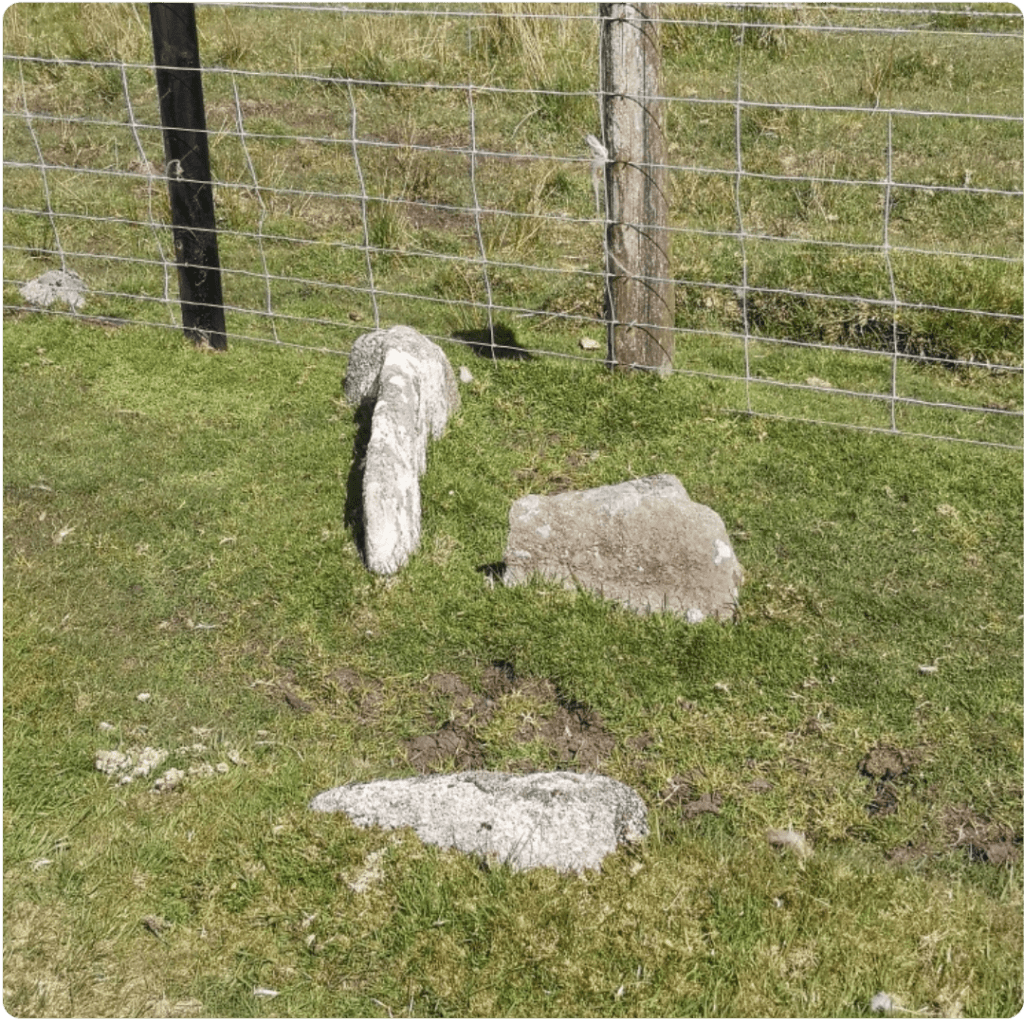
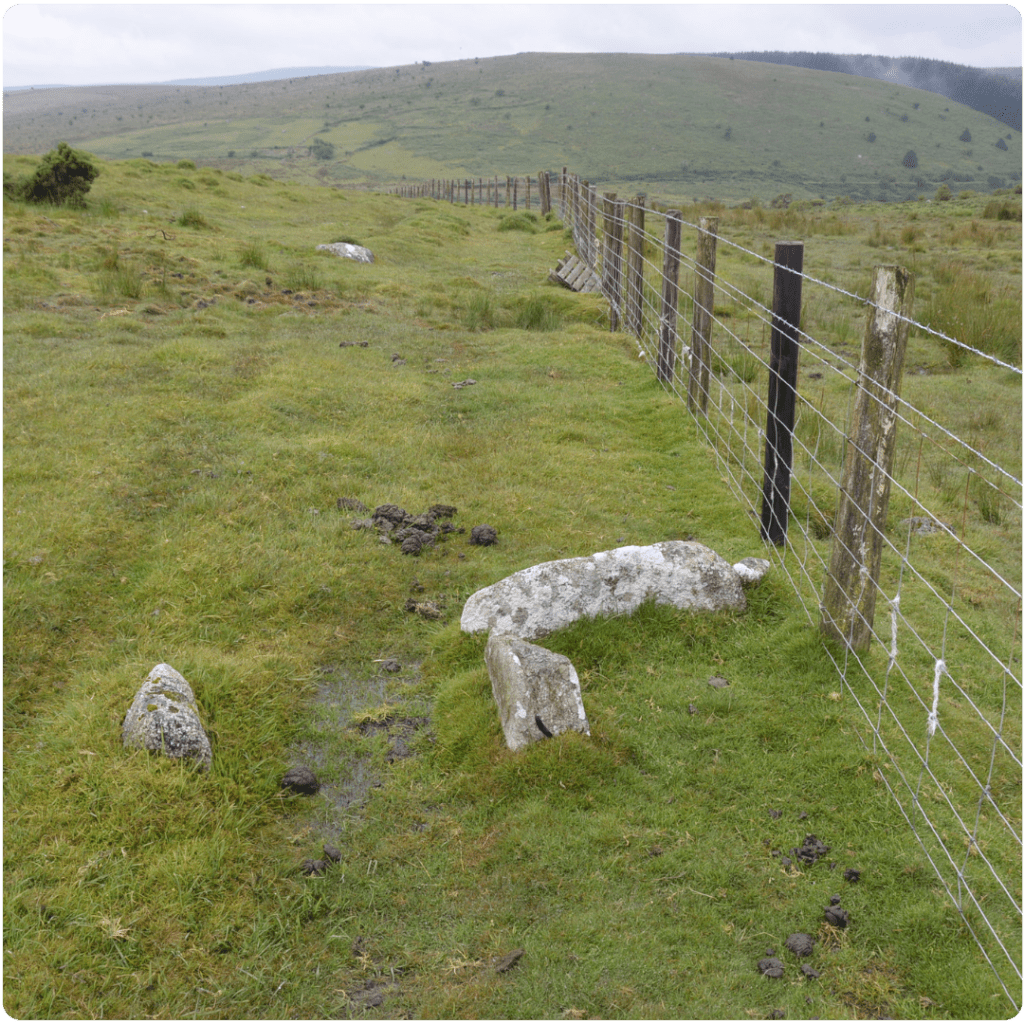
The Cist is included on the Heritage at Risk Register, with the main risk recorded as ‘flooding with a declining trend’ due to the marshy gully to the north which has previously led to subsidence. The disappearance of the eastern slab indicates that this is an ongoing problem.
However, the principal threat to the extant slabs is the proximity of the post and wire fence which cuts across the north side of the cist.
This monument, though small, is an extremely clear example of a burial cist, which until damaged by the fencing, was probably very well preserved. The cist may well contain intact deposits associated with burial in the Bronze Age and as such it is of the greatest importance.
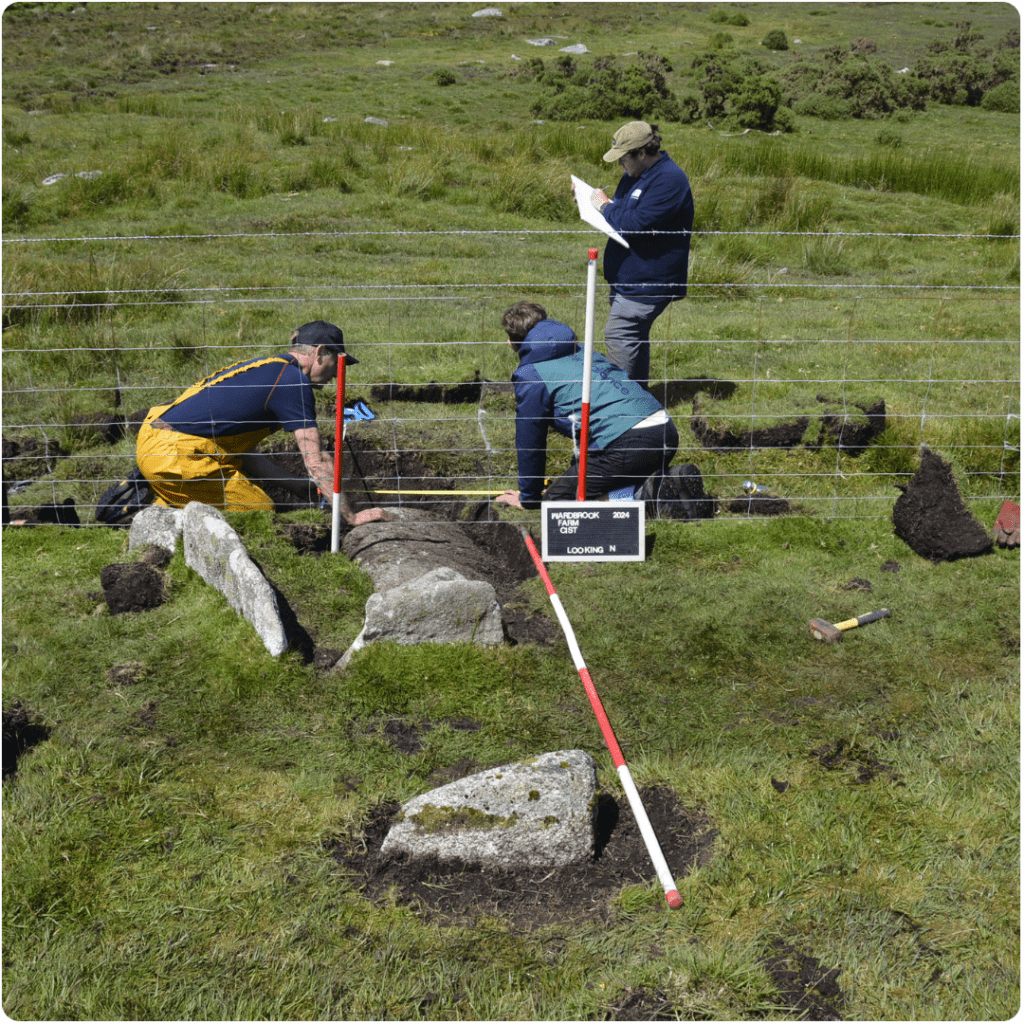

Removal of fence post within the Cist:
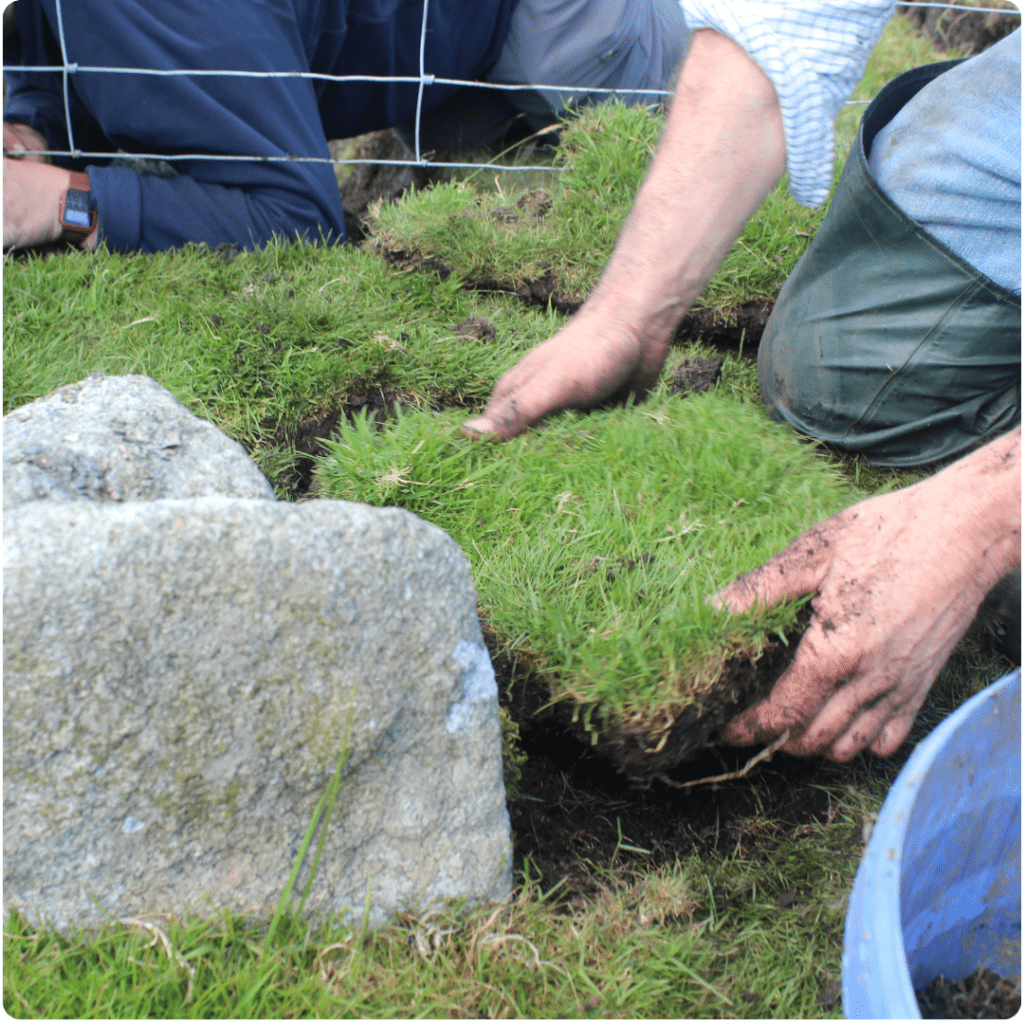
Removing turf to re-expose the eastern cist slab:
Following the removal of the fencepost, the top layer of turf was peeled back in order to reveal the slab forming the North-eastern side of the cist and establish how this has been affected by the fence and subsidence into the adjacent marshy gully. This allowed a plan to be made of the entire cist, as it survives at ground level .
Finally, after the monument had been archaeologically recorded, the turf which had been removed was re-laid in its previous position.
Volunteers will continue to monitor the condition of the cist and the fencing in the future, feeding back any concerns or issues to the Historic England Heritage at Risk Officer.
Furthermore, the Monumental Improvement project will be creating digital interpretation for the monument which will allow people who are unable to access the site to experience it.
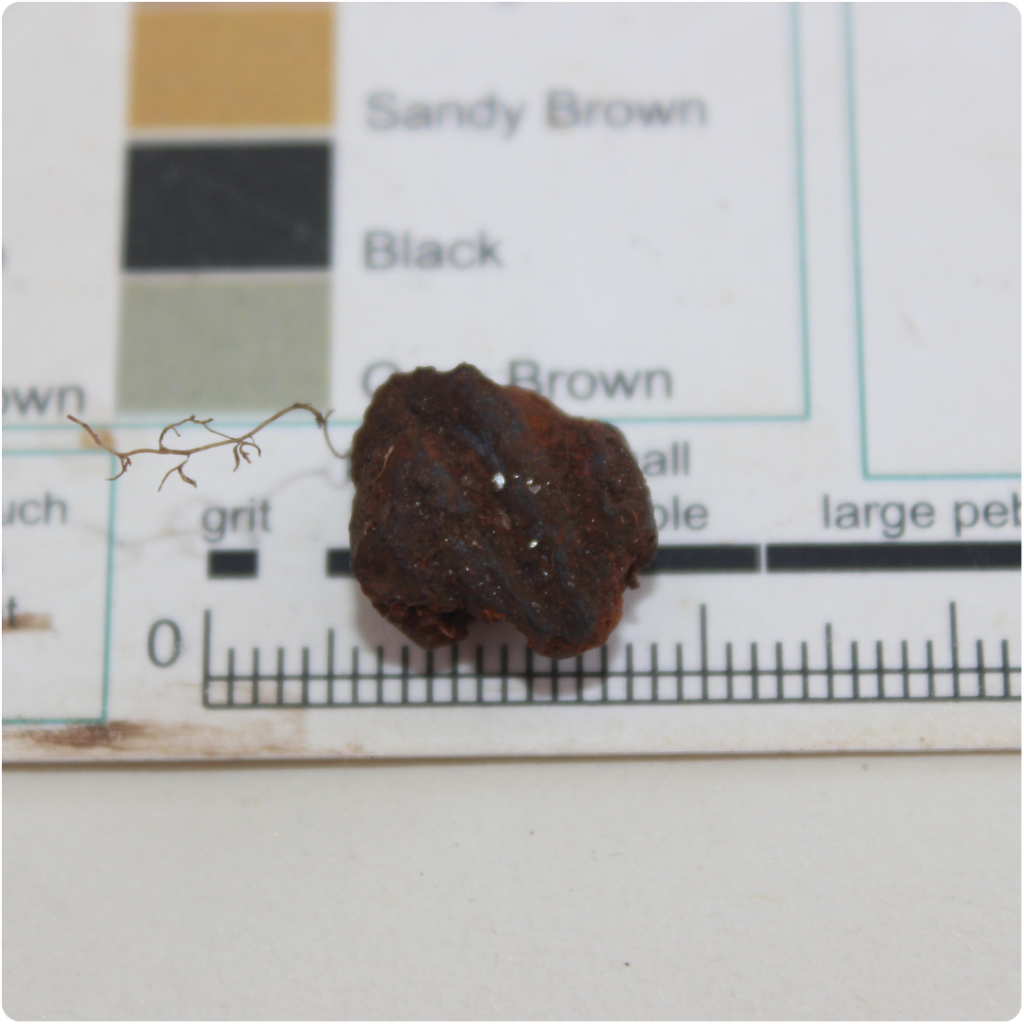
Excitingly, one of the volunteers who supported the repairs found what could possibly be a piece of pottery from the original funerary urn.