Monitoring & Evidence
Our objectives can be achieved through various means such as but not...
View page
Discover the team our mandate and everything we stand for.
Monitoring & Evidence
Our objectives can be achieved through various means such as but not...
View pageOur Vision
The special qualities of the Cornwall AONB are conserved, enhanced and appreciated...
View pageThe Management Plan
The Management Plan is a shared strategy for those who live, work...
View pageThe Management Plan review
This is the first of two consultation and we invite you all...
View pageWhat is Natural Beauty?
Areas of Outstanding Natural Beauty are protected landscapes whose distinctive character and...
View pageThrough effective Partnership working the protected landscape plays a crucial role in nature recovery, resilience to climate change and conservation of the historic and natural environment, by consideration of four key priorities
Priority-Climate
The climate emergency is the defining challenge of our time. In January...
View pagePriority-Nature
Set against a backdrop of unprecedented concern for the future of the...
View pagePriority-People
Communities in the Cornwall AONB live entirely outside the main towns, within...
View pagePriority-Place
The Cornwall AONB is unique and special. The beauty and character of...
View pageThe hub for partners, stakeholders and strategic organisations engaged with Cornwall National Landscape.
Executive Board & Governance
The Cornwall AONB is governed by a partnership of 20 organisations
View pageFunders and Project Partners
The role of our funding partners.
View pagePartners & Organisations Directory
The organisations supporting Cornwall National Landscape.
View pageStakeholder Strategies
We work to influence the shape of forthcoming strategies.
View pageStrategy for Cornwall National Landscape
The Cornwall AONB Strategy in the context of international, national, regional and...
View pageOur role is to provide Planning, and related, consultations; Consultations on Local Plans and Neighbourhood Development Plans and Pre-application consultations made to Cornwall National Landscape.
Agriculture & Farming Transition
Supporting farmers to achieve a sustainable and profitable farm business and deliver...
View pageDevelopment Pressures
The statutory purpose of the designation is to conserve and enhance the...
View pageLandscape-led development
Development within and affecting the Cornwall AONB, should be ‘landscape-led’.
View pageNature Recovery & Environment Act
Local Nature Recovery Strategies (LNRS) are plans for supporting nature in local...
View pagePlanning Responses
The responses we gave to planning matters inside any of our the...
View pageThe Cornwall Local Plan
The Cornwall Local Plan contains policies both specific to the designated landscape...
View pageWe are committed to supporting farmers to achieve a sustainable and profitable farm business and deliver outcomes for people, place, nature and climate.
Welcome the Community Hub for Cornwall National Landscape.
Discover the team our mandate and everything we stand for.
Monitoring & Evidence
Our objectives can be achieved through various means such as but not limited to, projects, collaborative...
View pageOur Vision
The special qualities of the Cornwall AONB are conserved, enhanced and appreciated by all who live,...
View pageThe Management Plan
The Management Plan is a shared strategy for those who live, work and visit the Cornwall...
View pageThe Management Plan review
This is the first of two consultation and we invite you all to complete the one...
View pageWhat is Natural Beauty?
Areas of Outstanding Natural Beauty are protected landscapes whose distinctive character and natural beauty are so...
View pageThrough effective Partnership working the protected landscape plays a crucial role in nature recovery, resilience to climate change and conservation of the historic and natural environment, by consideration of four key priorities
Priority-Climate
The climate emergency is the defining challenge of our time. In January 2019, Cornwall Council declared...
View pagePriority-Nature
Set against a backdrop of unprecedented concern for the future of the natural world and ecological...
View pagePriority-People
Communities in the Cornwall AONB live entirely outside the main towns, within villages, hamlets and scattered...
View pagePriority-Place
The Cornwall AONB is unique and special. The beauty and character of the AONB is primarily...
View pageThe hub for partners, stakeholders and strategic organisations engaged with Cornwall National Landscape.
Executive Board & Governance
The Cornwall AONB is governed by a partnership of 20 organisations
View pageFunders and Project Partners
The role of our funding partners.
View pagePartners & Organisations Directory
The organisations supporting Cornwall National Landscape.
View pageStakeholder Strategies
We work to influence the shape of forthcoming strategies.
View pageStrategy for Cornwall National Landscape
The Cornwall AONB Strategy in the context of international, national, regional and local priorities and goals.
View pageOur role is to provide Planning, and related, consultations; Consultations on Local Plans and Neighbourhood Development Plans and Pre-application consultations made to Cornwall National Landscape.
Agriculture & Farming Transition
Supporting farmers to achieve a sustainable and profitable farm business and deliver outcomes for people, place,...
View pageDevelopment Pressures
The statutory purpose of the designation is to conserve and enhance the natural beauty of the...
View pageLandscape-led development
Development within and affecting the Cornwall AONB, should be ‘landscape-led’.
View pageNature Recovery & Environment Act
Local Nature Recovery Strategies (LNRS) are plans for supporting nature in local areas.
View pagePlanning Responses
The responses we gave to planning matters inside any of our the areas inside the Cornwall...
View pageThe Cornwall Local Plan
The Cornwall Local Plan contains policies both specific to the designated landscape and also wider policies...
View pageWe are committed to supporting farmers to achieve a sustainable and profitable farm business and deliver outcomes for people, place, nature and climate.
Welcome the Community Hub for Cornwall National Landscape.
6 March 2026 · Farmer
Peatland restoration in the South West has been scaled up hugely over the past 5 years. Working in partnership has enabled holistic monitoring, palaeoecological research, planning...
James Richards
Development within and affecting the Cornwall AONB, should be ‘landscape-led’.
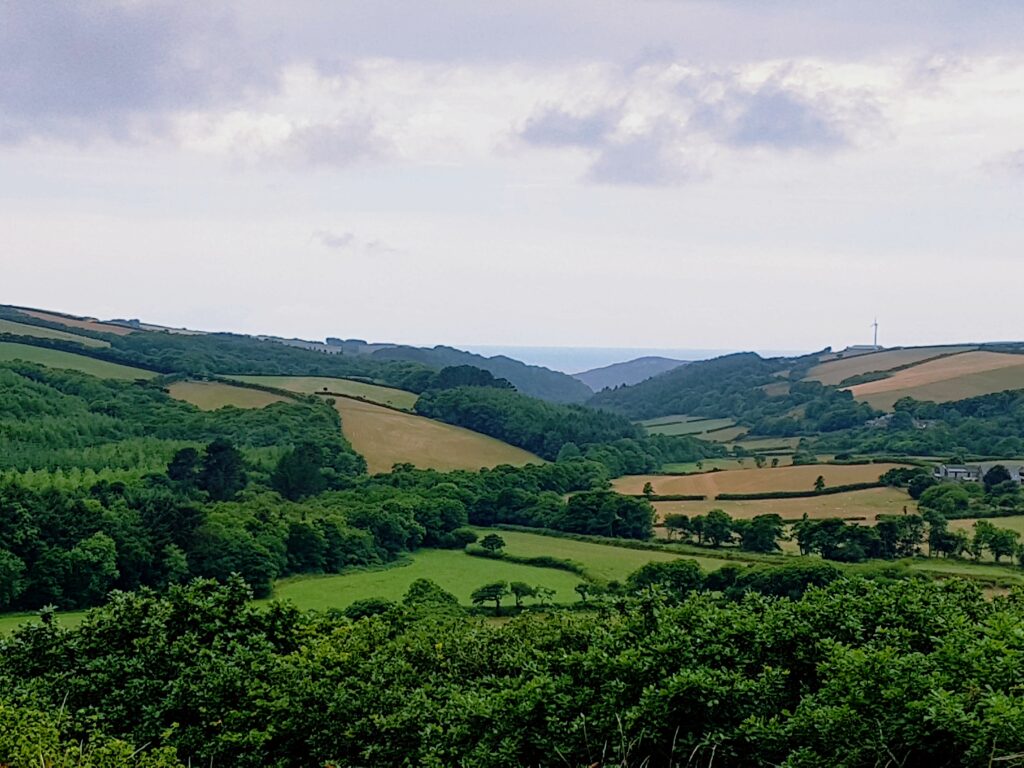
‘Landscape-led’ is not the same thing as ‘landscapeconsidered’. In a landscapeconsidered scenario, landscape issues (including the purpose of designation) are just one of many competing considerations. In a landscape-led scenario, on the other hand, the objective of conserving and enhancing natural beauty underpins all stages of the development process from initial thinking through to implementation. In adopting this approach, the outcome should be an enhancement of – or ‘netgain’ for – the natural beauty of the Cornwall AONB and one which supports both the statutory purpose of the designation, and the statutory duty imposed by S85 of the CROW Act.

A ‘landscape-led’ approach to development, in the context of landscapes of the Cornwall AONB, is one in which development is conceived, designed, budgeted, assessed and implemented in such a way that:


In simple terms, development which provides a contextual response to and reflects the characteristics and essence of the designated landscape is likely to be supported by the policy outlined above. Whereas, that which brings alien elements, or simply takes advantage of its location within the designated landscape, is likely to be in conflict with policy constraints, at all levels.
In applying a “landscape-led” approach to development within the Cornwall AONB it is necessary to consider the factors that contribute to natural beauty (following those recognised by Natural England). These include:
It is the unique and irreplaceable combination of many of these attributes which make the landscapes of the Cornwall AONB so special and worthy of the very highest level of protection conferred by both the Development Plan and material considerations.
This principle of “Landscape-Led” development reflects the aims and objectives of the Cornwall Design Guide which espouses “development that relates to, respects and sits well in its local context”. This principle is further reinforced in the Cornwall Design Guide which states that “To maintain Cornwall’s distinctiveness, development should contribute the sense of place; it should respond to the local historical, cultural and landscape context and enhance and feel part of the existing settlement and landscape”. Likewise it identifies that “Good buildings and spaces that resonate with place and setting tend to feel responsive, sensitive and relevant”.
The aims, policies and objectives of this Management Plan contain planning and development policies which are relevant to all sections of the designated landscape and these should be considered relevant to all development proposals. There are also planning policies which are specific to the different sections of the AONB and these should be consulted in regard to any development proposals within that section.
Technical Appendix i provides policy with regard to the construction of agricultural buildings and Technical Appendix ii sets out the AONB team’s view of the considerations for identifying “major” development in the designated landscape. These appendices should be consulted with regard to such development proposals within the designated landscape.