Monitoring & Evidence
Our objectives can be achieved through various means such as but not...
View page
Dinan (Ardhow Magor) 1, 2 ha 3
Hidden defences on a Cornish ridge.
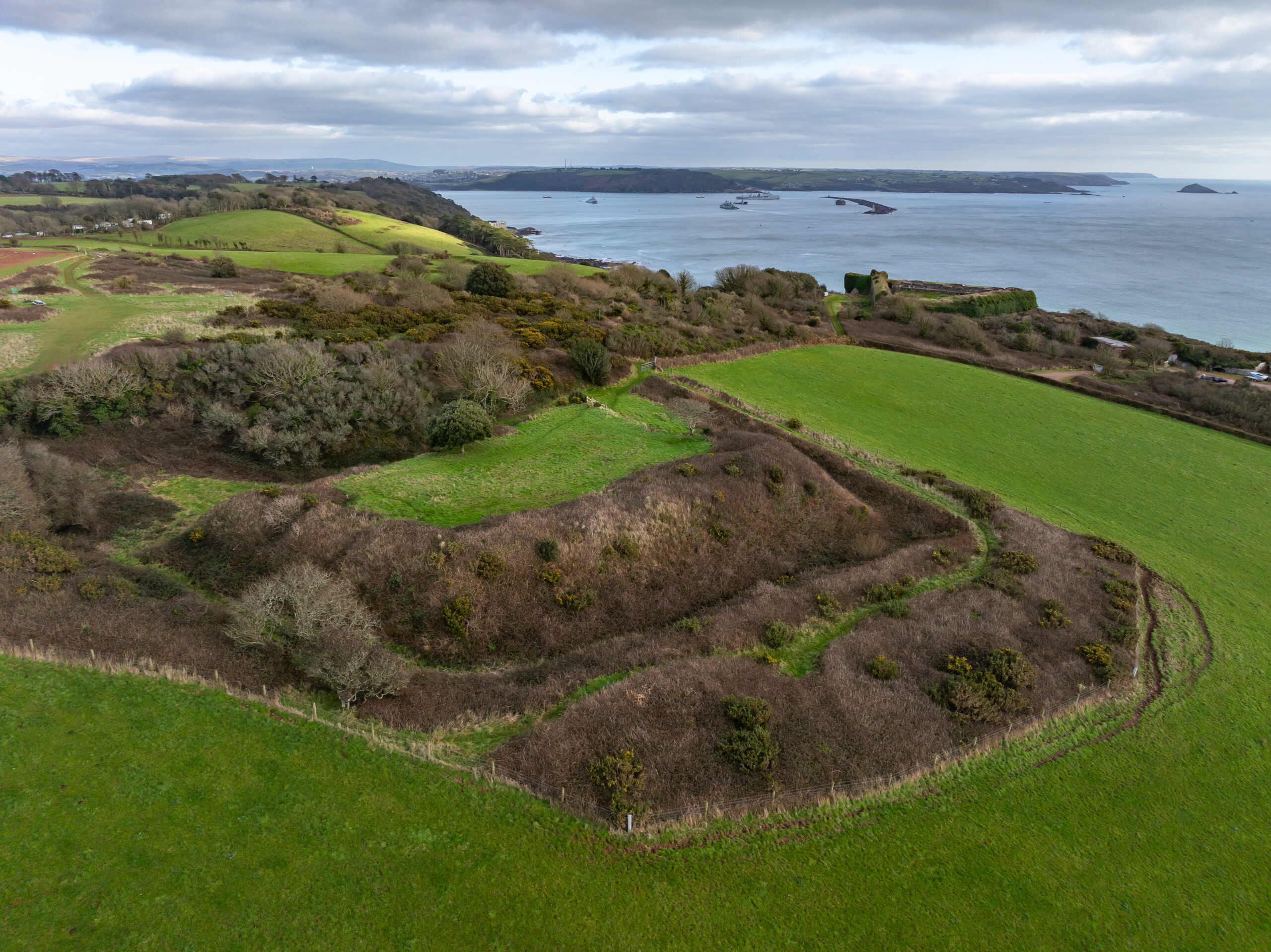
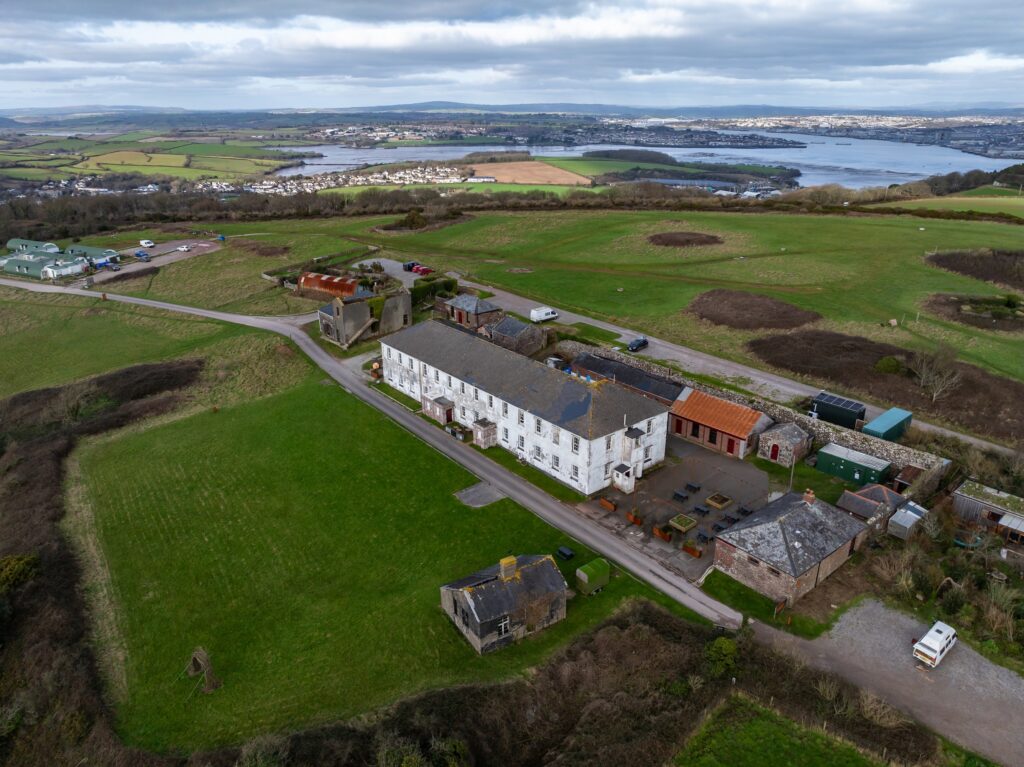
On the high ground above Plymouth Sound sit three earthwork forts known as Redoubts 1, 2 and 3. They were built in the late 1700s to defend the Royal Dockyard at Devonport from enemy attack, especially during the American War of Independence. Each redoubt is made of sloped banks and ditches, shaped to hold cannons and troops. Though overgrown in places, you can still see the outlines of these forts today. They are part of a wider group of military sites at Maker Heights, all designed to protect Britain’s coastline.
Redoubts 1, 2 and 3 are part of Cornwall National Landscape’s A Monumental Improvement Project, which aimed to ensure that 40 scheduled monuments across Cornwall National Landscape were better protected, identified and enjoyed by a wider range of people. Between 2022 – 2025, the Project delivered conservation repairs, installed new heritage interpretation signage, ran a range of community volunteering events and developed new website resources. The Project was primarily funded thanks to The National Lottery Heritage Fund, with support from our other partners – Cornwall Council, Historic England, The National Trust, Cornwall Heritage Trust and Cornwall Archaeological Society.
These redoubts are some of the earliest in the area, begun as temporary defences in 1779. The forts were later improved between 1782 and 1784 as part of the Duke of Richmond’s upgrades to the nation’s defences. Redoubt 1 (Royal Cornwall) had eight large cannons and was linked with a Royal Observer Corps post during the Cold War. Redoubt 2 (Somerset) had five sides, seven 18-pounder guns and may have had stone-lined defences. Redoubt 3 was simpler in shape but held a touching memorial stone for a grenadier named James Ashton. All three played a role in watching over the sea and guarding the land route to Plymouth from the west. They remind us how real the threat of invasion once was and how carefully Cornwall helped defend the country.


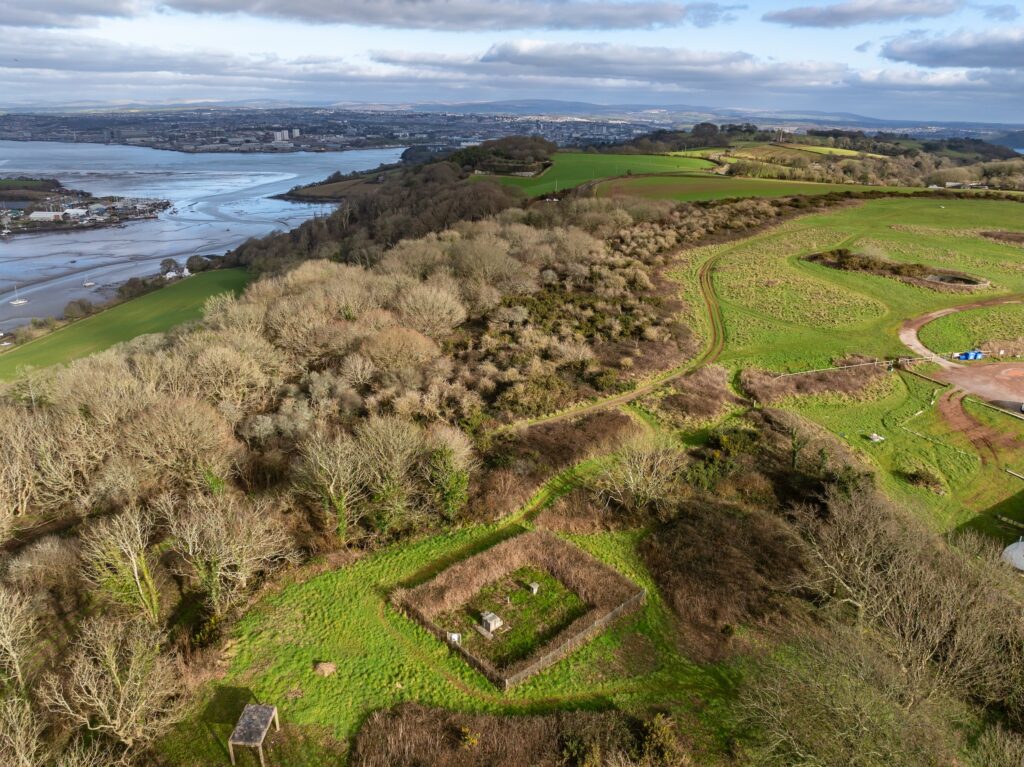
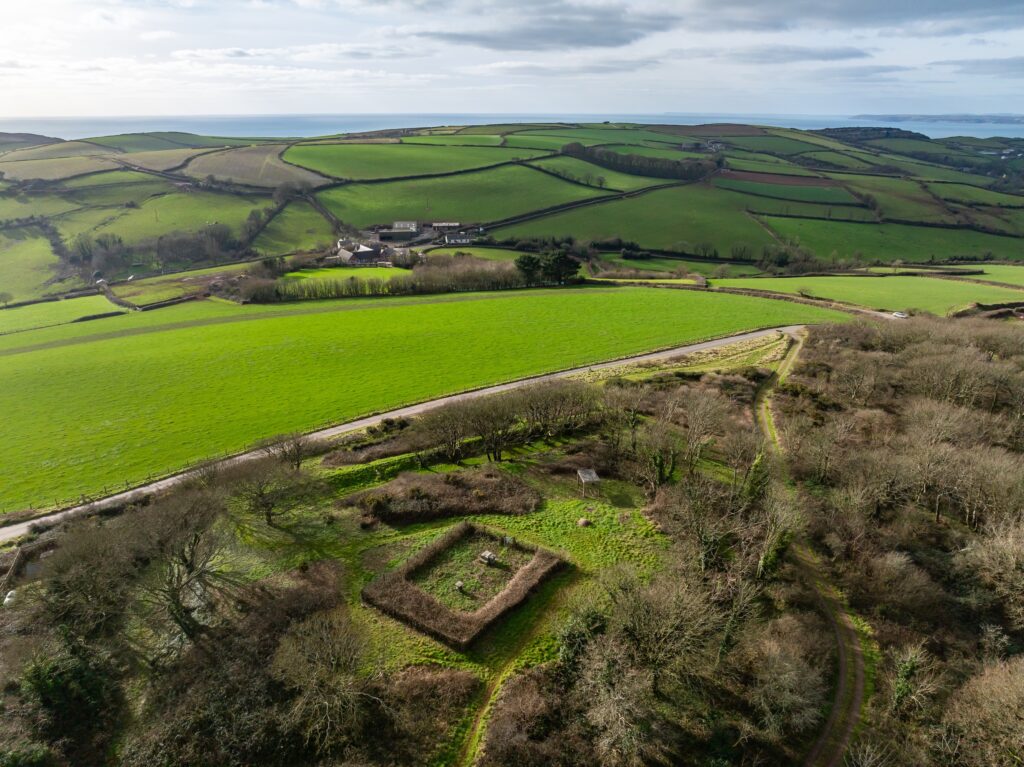

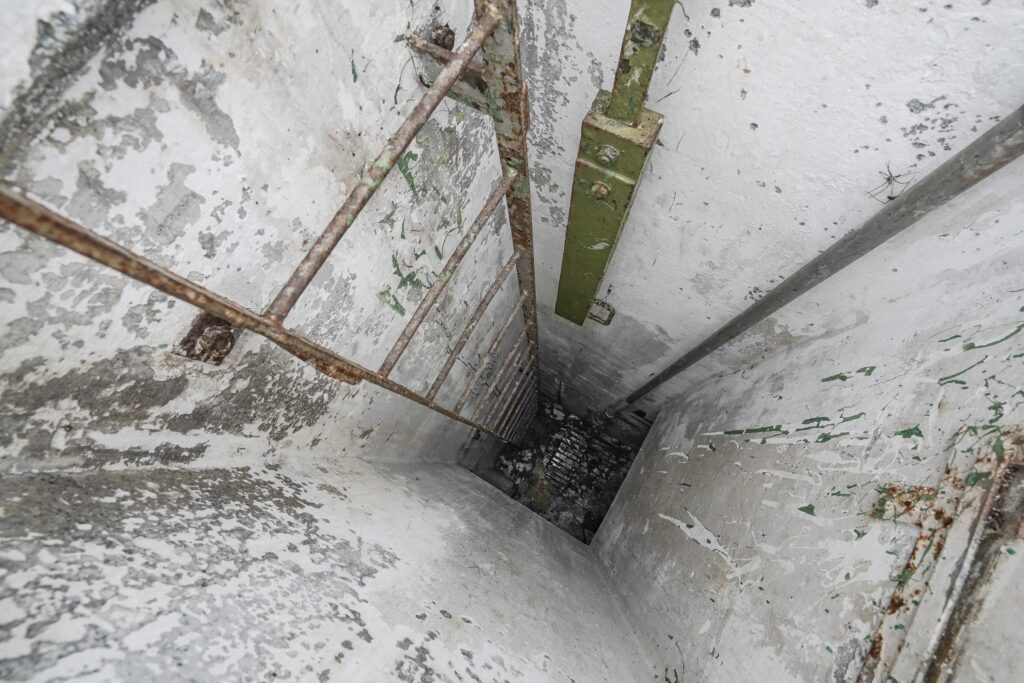
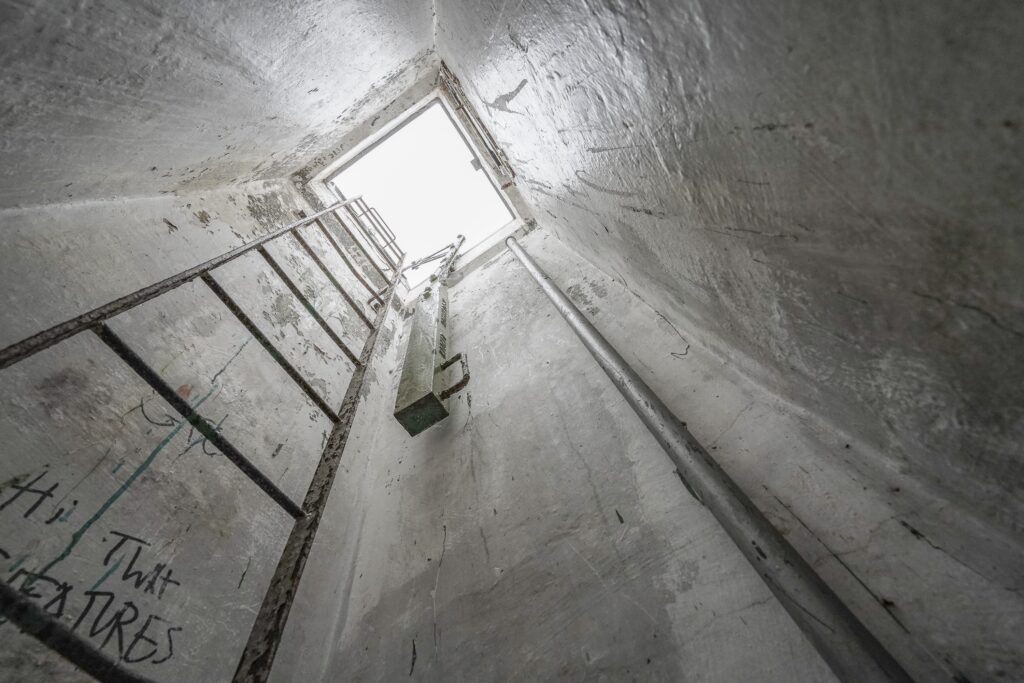
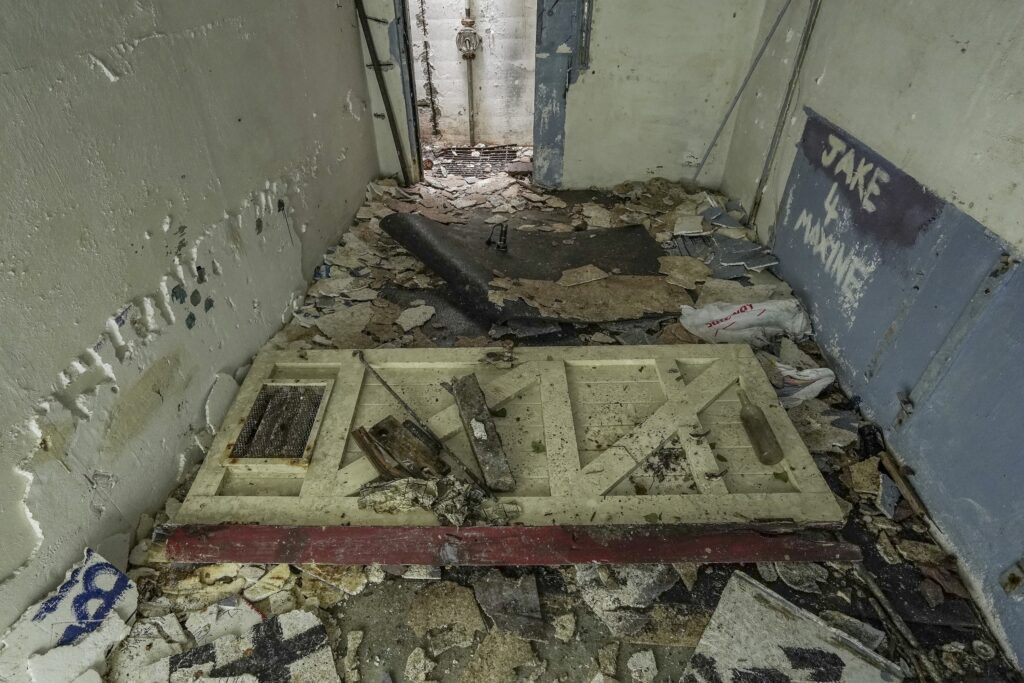
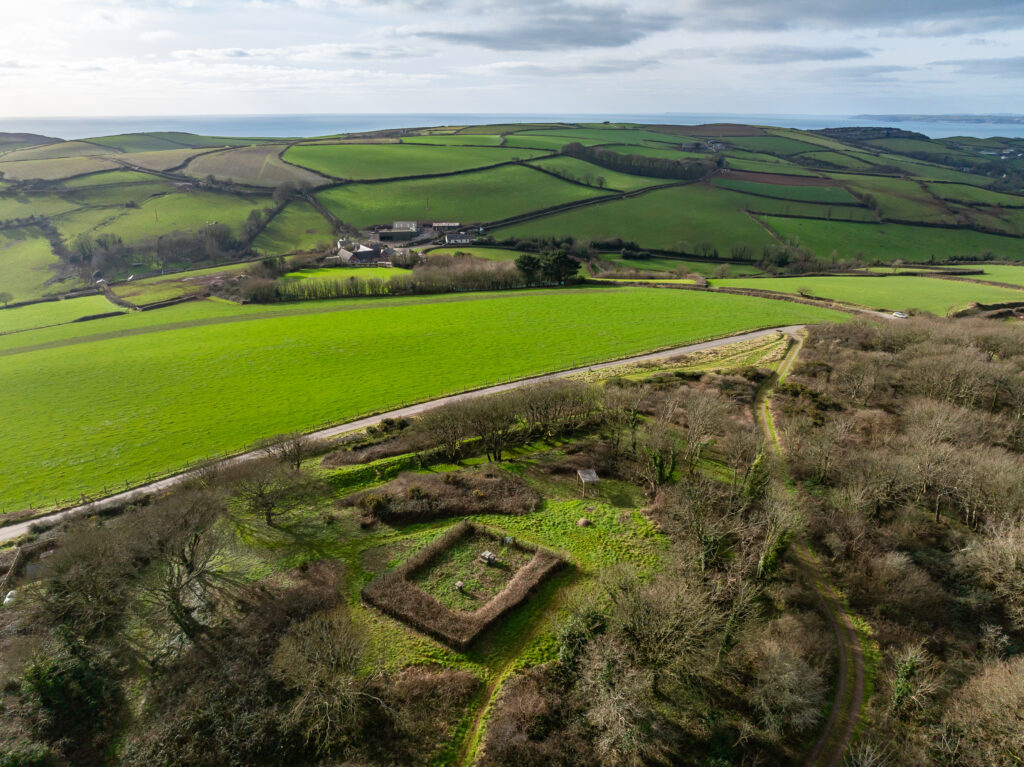
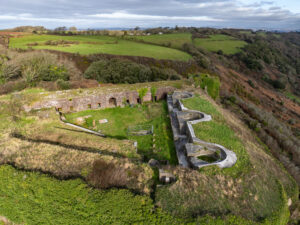
Each redoubt has its own story to tell. At Redoubt 1, you can spot the steep-sided ditch and raised ramparts that once held heavy cannons. There’s also a Cold War Royal Observer Corps post hidden inside, look for the small fenced hatch where volunteers once monitored the skies for nuclear threats.
Redoubt 2 stands out with its five-sided layout and long front ditch. Keep an eye out for old iron gateposts near the road, small clues that hint at how this area was once carefully guarded.
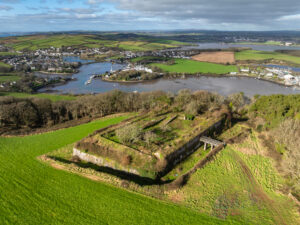
Redoubt 3 offers something more personal. Inside the grassy fort lies a simple memorial stone to James Ashton, a grenadier who died in the 1790s. This redoubt also has a wide flat-bottomed moat and sloped banks called a glacis, built to make it harder for attackers to approach unseen. Historic England recently added wooden steps here, so you can safely walk into the middle and see the shape of the fort from the inside. It’s a rare chance to stand in a real 18th-century defence and imagine what life was like on lookout duty.

Thanks to recent restoration by the Monumental Improvement project, the redoubts are now clearer and easier to explore both for visitors and for nature. With scrub and invasive plants cleared, native grasses and wildflowers are returning to the site. You might spot butterflies like meadow browns or small coppers fluttering around. Rabbits and voles scurry along the edges of the ditches. These historic forts are part of a healthy, living landscape.
Restoring the redoubts has taken a careful balance of archaeology, conservation and community support. As part of the Monumental Improvement project, teams of volunteers, archaeologists and heritage experts worked together to clear invasive scrub, record important features and make the sites safe to explore. All work was done with the goal of protecting the redoubts for the future while making them more visible and welcoming for visitors today.
But looking after these sites isn’t always simple. Many of the redoubts were hidden under vegetation for decades. Erosion, past infilling, and Cold War structures like the Royal Observer Corps post added extra layers to unpick. Managing wildlife habitats while preventing damage from burrowing animals has also been a challenge. Keeping the balance between access, nature and preservation is ongoing but thanks to the project, these redoubts now have a much stronger future.


Grid Ref: SX 43276 51521, SX 43467 51371, SX 43634 51228
Find with what3words: marked.renew.crowds, never.misty.enjoy, banks.idea.forms
When enjoying the countryside, it’s important to follow the Countryside Code to protect nature and preserve its beauty for everyone. This includes simple, respectful actions like not littering always take your rubbish home or dispose of it properly in bins. Stick to designated paths to avoid damaging crops or wildlife habitats and keep gates and property as you find them, whether open or closed. Be mindful of livestock and wildlife by keeping dogs under control and not disturbing animals. By following these guidelines, you contribute to the protection of the environment and ensure that others can enjoy the countryside as well.
Redoubt 1
Access to Redoubt 1 has been improved through gentle clearing and path maintenance, but the site still has uneven ground and sloped earthworks. Visitors can view the structure from the outside or step carefully inside, where the grassed-over interior is relatively flat. There is a fenced Cold War observation post inside this is not open to the public but can be seen from above. While there is no formal path surface, the open layout allows for steady walking with care.
Redoubt 2
Redoubt 2 is the most accessible of the three. The surrounding area is open grassland with clear sight across the ramparts and ditch. Some parts of the ditch remain overgrown, so exploring the edges requires caution. The main entrance is near the road, with space to park nearby, though there is no dedicated car park. Visitors with limited mobility may find this redoubt easier to approach and enjoy from ground level.
Redoubt 3
Redoubt 3 includes newly installed wooden steps, allowing safe access into the centre of the redoubt. These steps provide a stable way in, but the interior remains natural and unpaved, with uneven surfaces. The surrounding ditch is overgrown in parts and can be steep. While not suitable for wheelchairs or buggies, the site is rewarding for those able to manage a short, slightly challenging walk. Good footwear is recommended, especially in wetter weather.
These redoubts are open-air historic sites with no on-site facilities. There are no toilets, cafés or visitor centres at the locations and seating is limited to grassy areas and earth banks. The sites are best enjoyed as part of a wider walk around Maker Heights, where public footpaths connect the redoubts and offer scenic views. The nearest parking and refreshments can be found in nearby villages such as Cremyll or Millbrook. Please take any litter home and wear suitable footwear for grassy and sometimes uneven terrain.
Limited roadside parking is available near each redoubt, but there are no designated car parks at the site
Looking to explore the monument? Check out this walk on the IWalkCornwall website – Maker Redoubts

You can play a part in preserving Cornwall National Landscape’s beauty and history for future generations. Volunteering opportunities range from helping with conservation efforts to assisting with educational programmes and community events. Whether you have a passion for nature, history, or simply love the outdoors, there’s a way for you to contribute. Join us and make a difference while connecting with others who share your enthusiasm for Cornwall’s heritage. Scroll down and follow the links to our Volunteering Hub to find out more!

Cornwall National Landscape is a non-profit organisation that conserves the unique landscapes, wildlife, and cultural heritage of Cornwall. Volunteering for the protected landscape provides a rewarding experience of giving back to the community and preserving the Cornwall's natural beauty.

Discover a wealth of knowledge in our Resources section, where you can download detailed research documents, reports, and source material compiled by our archaeology team to enhance your understanding of the site.