Monitoring & Evidence
Our objectives can be achieved through various means such as but not...
View page
Dinan (Ardhow Magor) 5
Redoubt 5 is one of a group of forts built at Maker Heights to protect Plymouth from enemy attack in the 1700s.
Redoubt 5 is one of five historic forts built at Maker Heights in the late 1700s to defend Plymouth and Devonport from a possible French and Spanish attack. Set high on the hill above Cawsand Bay, it was part of a military line designed to protect the Royal Navy’s vital dockyards. Like the others, it began as a simple platform for cannons, but was later strengthened with stone walls and barrack rooms. It’s special because it shows how coastal defences changed over time and it’s one of the best surviving examples from that period in Cornwall.
Redoubt 5 was part of Cornwall National Landscape’s A Monumental Improvement Project, which aimed to ensure that 40 scheduled monuments across Cornwall National Landscape were better protected, identified and enjoyed by a wider range of people. Between 2022 – 2025, the Project delivered conservation repairs, installed new heritage interpretation signage, ran a range of community volunteering events and developed new website resources. The Project was primarily funded thanks to The National Lottery Heritage Fund, with support from our other partners – Cornwall Council, Historic England, The National Trust, Cornwall Heritage Trust and Cornwall Archaeological Society.
Redoubt 5 was built during a time when Britain feared invasion from France and Spain. Its job was to help protect Plymouth Dockyard, which was one of the most important naval bases in the country. Together with the other redoubts on Maker Heights, it formed part of a strong line of defences across the hilltop. What makes Redoubt 5 especially important is how well it still shows the shape and structure of these 18th-century forts. It helps us understand how people prepared for war back then, even though it never actually saw battle.


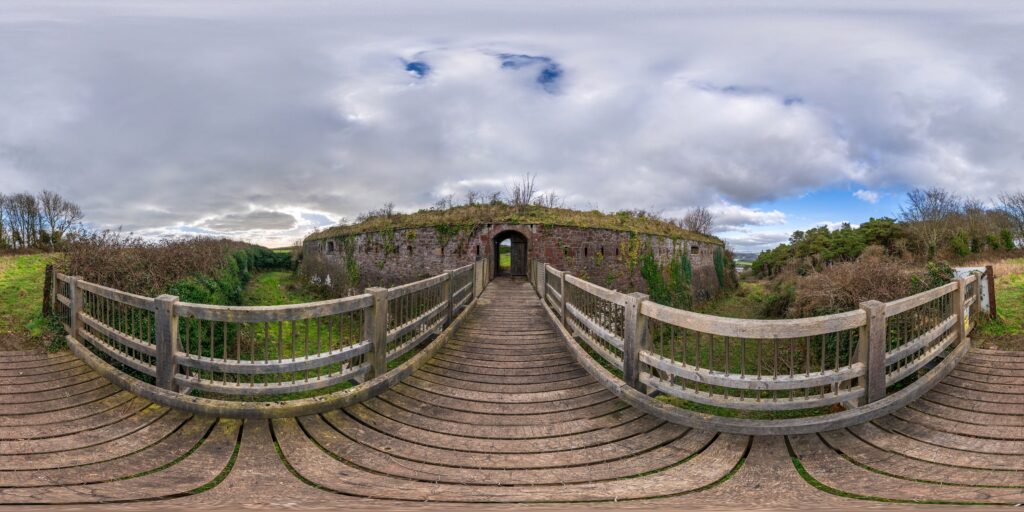


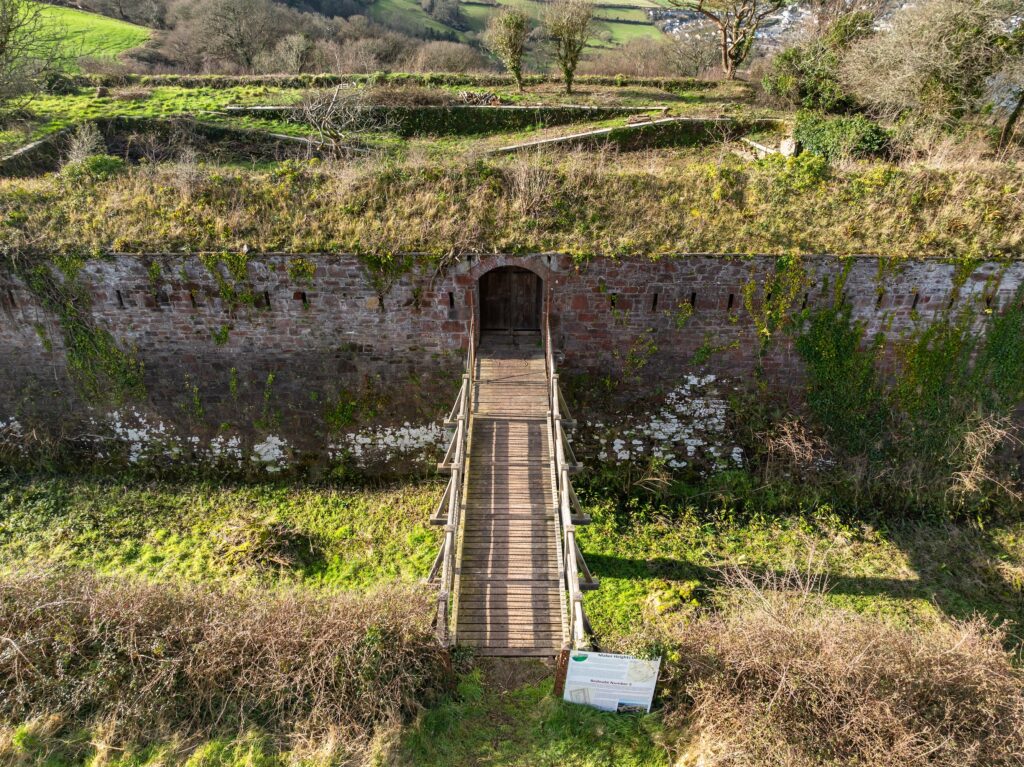
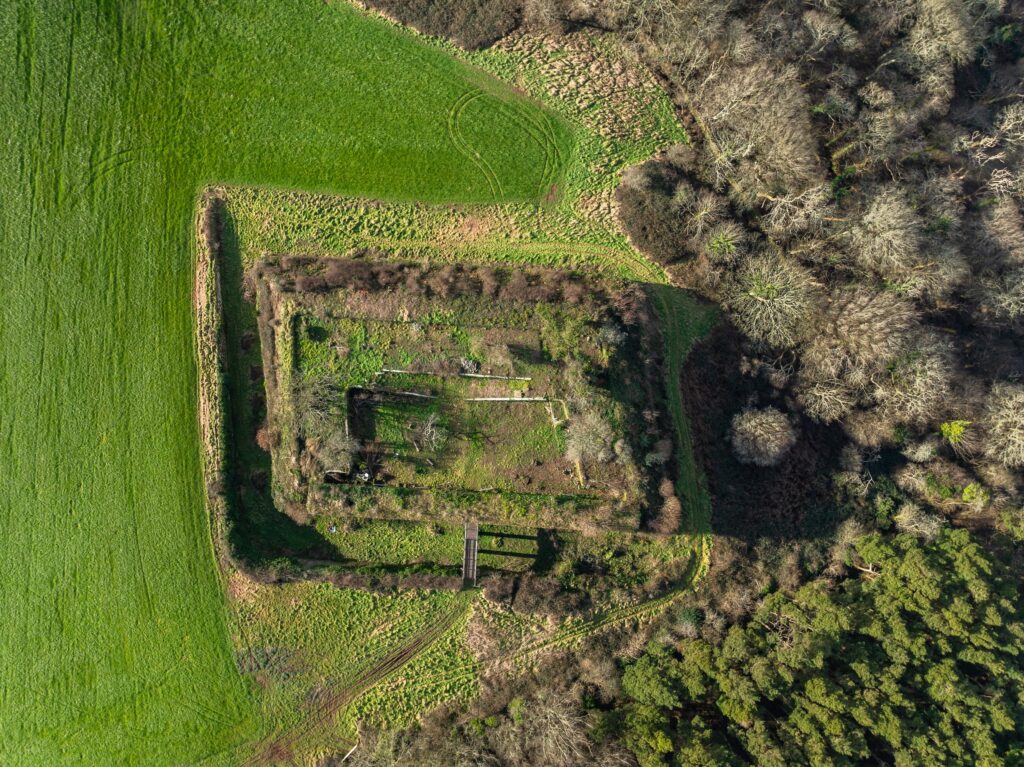
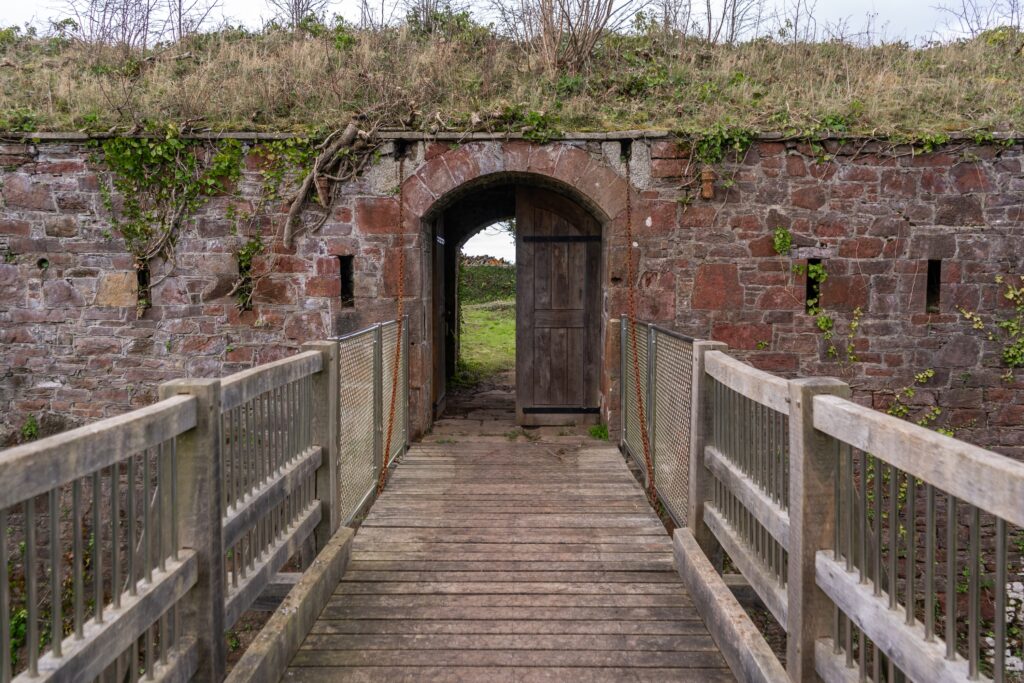
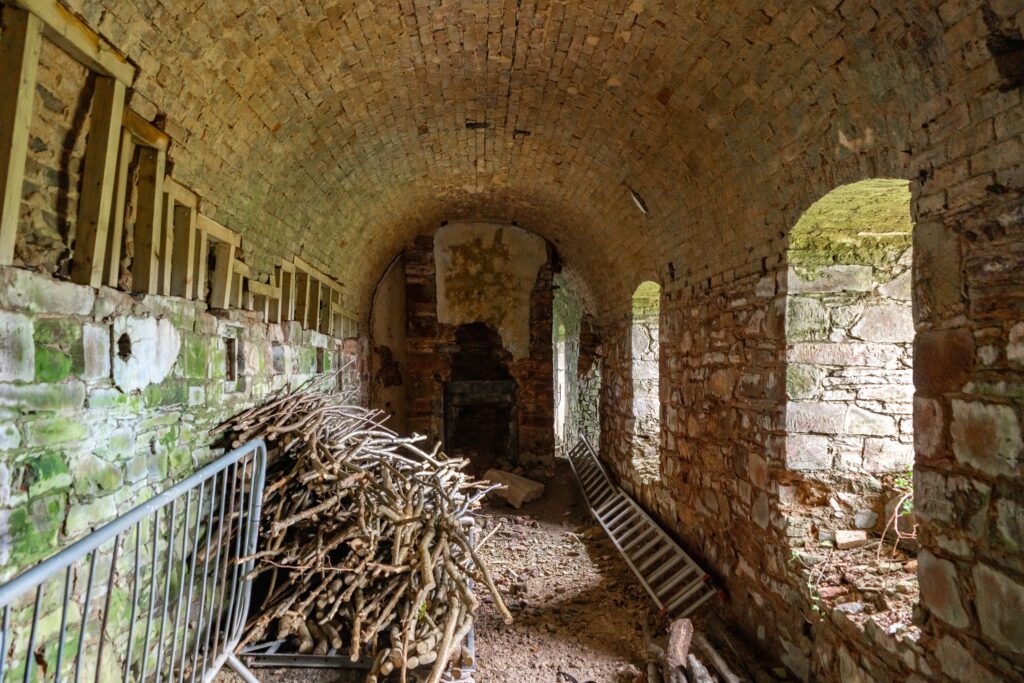
Redoubt 5 still has many of its original features, which help us understand how it was built and used. You can clearly see the low stone walls that once supported gun platforms and barracks. These walls formed part of a strong square enclosure, designed to hold cannons and troops. The shape and size of the redoubt were carefully planned to give a wide view over Cawsand Bay and the land below, making it easier to spot any approaching enemy ships.
Outside the redoubt, you’ll notice the surrounding earthworks – raised banks and ditches that added extra protection. These defences were meant to slow down attackers and give soldiers time to respond. The open ground around the fort also helped keep the view clear, which was vital for spotting threats. Today, the site is quiet and grassy, but the layout still shows its military purpose.

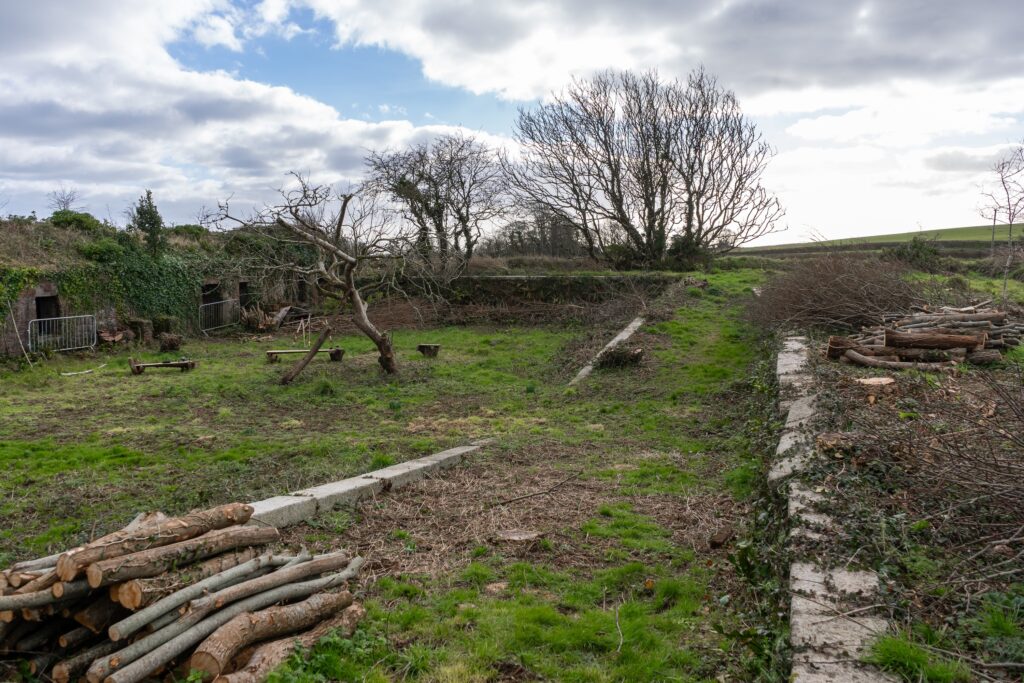
Today, Redoubt 5 is not just a historic site, it’s also a peaceful home for nature. The grassy slopes and old stone walls provide shelter for wildflowers, insects and small birds. In spring and summer, you might spot bees buzzing around clumps of thyme, or butterflies drifting between patches of clover. The open landscape is also visited by kestrels and buzzards, can be seen circling overhead. This mix of history and wildlife makes the redoubt a special place, where both nature and the past are carefully protected.
Visitors can help look after Redoubt 5 by treating it with care and respect. That means sticking to the paths, not climbing on the stone walls and leaving no litter behind. These small actions make a big difference in protecting the site for future generations. If you spot any damage or anything unusual, reporting it helps those who manage the site keep it safe. Even just sharing what you’ve learned with others helps raise awareness about why places like this matter. It’s everyone’s job to help protect our history.
Redoubt 5 has been cared for over the years by dedicated teams who work to preserve its structure and setting. Repairs have been made to the stone walls and overgrown vegetation is regularly cleared to stop damage to the earthworks. Thanks to support from local volunteers and heritage organisations, the site has stayed accessible and easy to explore. These efforts make sure people can continue to visit, learn from and enjoy the redoubt for years to come.
But looking after an old site like this isn’t always easy. The redoubt is exposed to strong coastal weather, which slowly wears away the stone and soil. Grass and brambles can quickly take over if left unchecked and foot traffic can cause gradual damage to the ground. Balancing public access with conservation takes time and care.

When enjoying the countryside, it’s important to follow the Countryside Code to protect nature and preserve its beauty for everyone. This includes simple, respectful actions like not littering always take your rubbish home or dispose of it properly in bins. Stick to designated paths to avoid damaging crops or wildlife habitats, and keep gates and property as you find them, whether open or closed. Be mindful of livestock and wildlife by keeping dogs under control and not disturbing animals. By following these guidelines, you contribute to the protection of the environment and ensure that others can enjoy the countryside as well.
Redoubt 5 is on open ground with uneven paths and grassy slopes, so access may be limited for visitors with mobility needs.
There are no visitor facilities on site, so it’s a good idea to plan ahead and bring what you need.
Limited parking is available nearby at Maker Heights, just a short walk from the redoubt.
Looking to explore the monument? Check out this walk on the IWalkCornwall website – Maker Redoubt 5

You can play a part in preserving Cornwall National Landscape’s beauty and history for future generations. Volunteering opportunities range from helping with conservation efforts to assisting with educational programmes and community events. Whether you have a passion for nature, history, or simply love the outdoors, there’s a way for you to contribute. Join us and make a difference while connecting with others who share your enthusiasm for Cornwall’s heritage. Scroll down and follow the links to our Volunteering Hub to find out more!

Cornwall National Landscape is a non-profit organisation that conserves the unique landscapes, wildlife, and cultural heritage of Cornwall. Volunteering for the protected landscape provides a rewarding experience of giving back to the community and preserving the Cornwall's natural beauty.

Discover a wealth of knowledge in our Resources section, where you can download detailed research documents, reports, and source material compiled by our archaeology team to enhance your understanding of the site.